

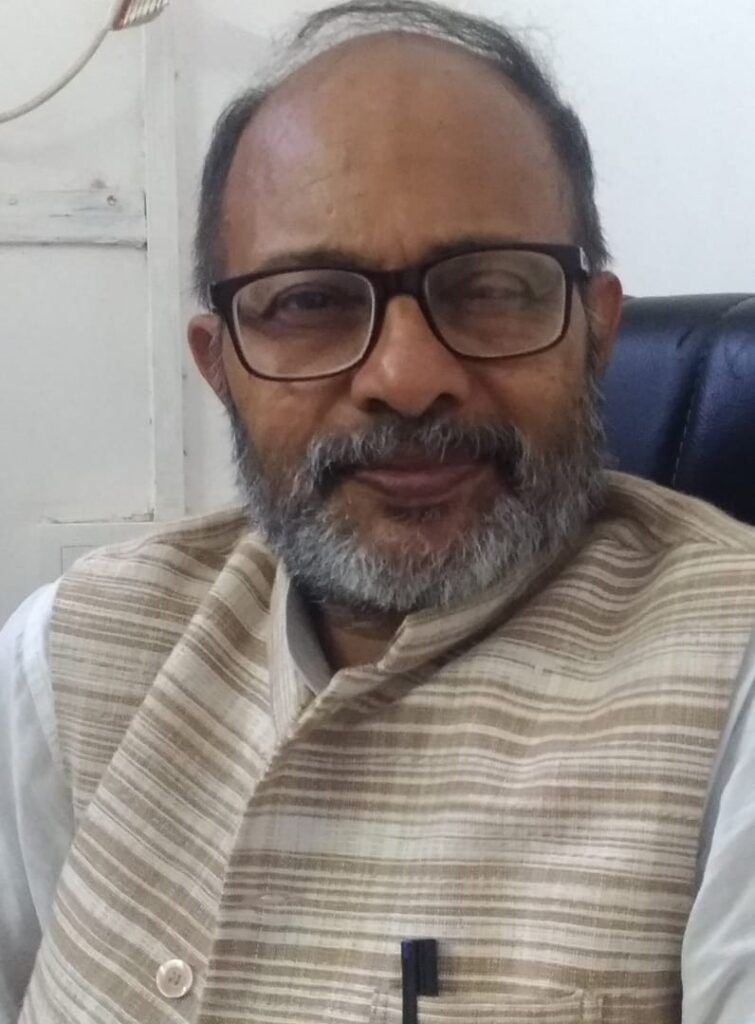
ANEEL PRASAD HEGDE { EX MP RAJYA SABHA}
A solidarity programme was held in the national capital on Sunday 15 th February to mark 27 years of imprisonment of Kurdish leader Abdullah Öcalan, who has been incarcerated in Turkey since February 15, 1999. Participants at the event described Öcalan as a central political figure representing the aspirations of nearly 50 million Kurdish people spread across Turkey, Syria, Iran and Iraq.
Öcalan, often referred to by his supporters as the “Mandela of the Middle East,” has been lodged in a high-security prison on İmralı Island for nearly three decades. Speakers at the programme highlighted the symbolic significance of the 27-year mark, drawing comparisons with the 27 years spent in prison by Nelson Mandela, who later led South Africa’s transition from apartheid to democracy.
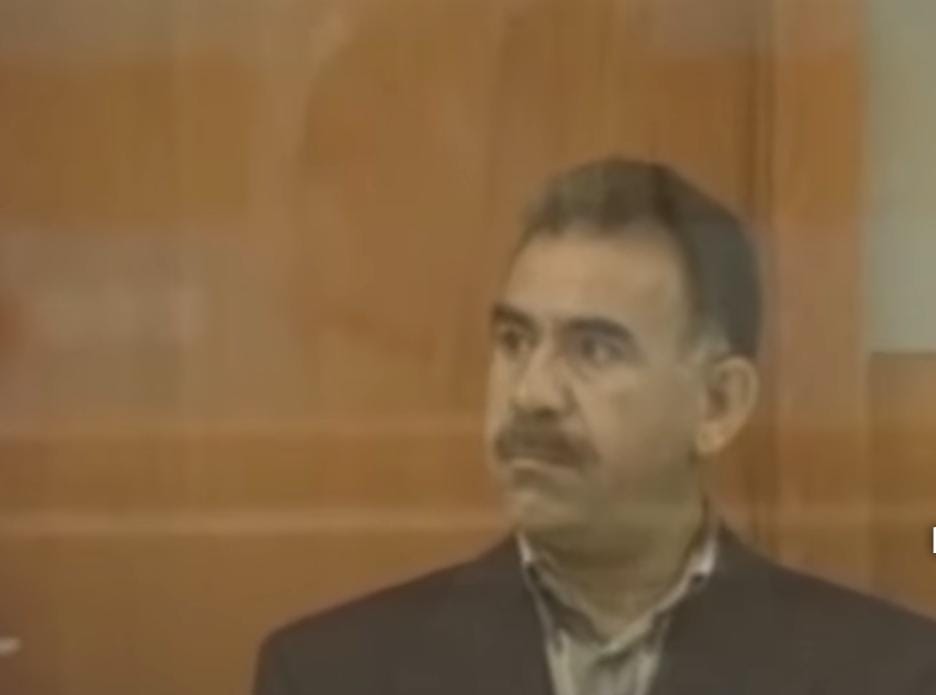
Kurdish Leader Abdullah Öcalan
The gathering in New Delhi brought together activists, members of civil society and supporters of the Kurdish cause. They reiterated concerns over what they termed prolonged isolation and harsh incarceration conditions faced by Öcalan. According to speakers, despite decades in prison, he continues to be regarded by many Kurds as a key interlocutor and representative voice for peace, dialogue and democratic rights.
Referring to events surrounding his arrest in 1999, participants stated that Öcalan had reportedly been offered asylum in South Africa during Mandela’s presidency. However, while en route, he was apprehended in an international intelligence operation that, according to various accounts, involved Turkish authorities with alleged assistance from the Central Intelligence Agency and Mossad. Since then, he has remained in detention on İmralı Island.
Öcalan is the founding leader of the Kurdistan Workers’ Party (PKK), established in 1978. While the PKK has been at the centre of a prolonged armed conflict with the Turkish state and is designated as a terrorist organisation by Turkey and several other countries, speakers at the Delhi programme emphasized what they described as a significant ideological transformation in Öcalan’s thought during his imprisonment.
From his jail cell, Öcalan has authored several works outlining his political philosophy of “Democratic Confederalism.” This framework, according to supporters, promotes grassroots democracy, environmental protection, gender equality and decentralized governance structures. Rather than advocating the creation of an independent Kurdish nation-state, his recent writings emphasize democratic integration, coexistence and constitutional safeguards within existing national boundaries.
Participants cited the predominantly Kurdish region of Rojava in northeastern Syria as an example of these principles being implemented. In that region, local administrations have experimented with decentralized and community-based governance models. Speakers noted that women are given 50 percent representation in many governing bodies, and leadership structures often follow a co-chair system, with one man and one woman jointly heading councils and institutions. They described the model as one that encourages pluralism, with communities of different religions, languages and ethnicities coexisting within a shared administrative framework.
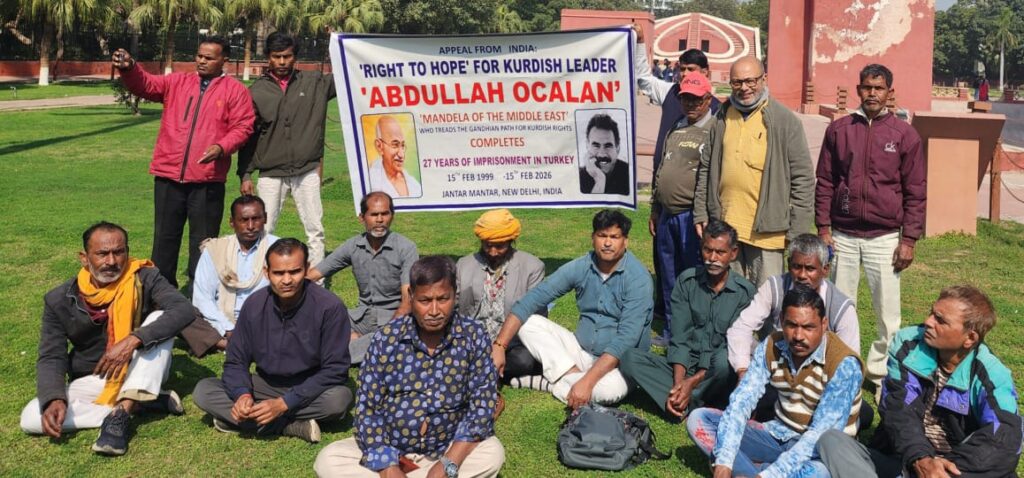
Addressing the gathering, former Rajya Sabha Member of Parliament Aneel Prasad Hegde spoke about the importance of democratic dialogue and peaceful resolution of long-standing ethnic and political conflicts. He stressed that the Kurdish issue should be addressed through constitutional reforms, judicial safeguards and inclusive political processes. Hegde underlined that sustainable peace can only emerge through engagement and mutual recognition of rights.
Speakers at the event also stated that Öcalan has, in recent years, called for an end to armed struggle and advocated a democratic path forward. They claimed that he has urged political, judicial and social reforms to ensure equal rights for Kurds across the four countries where they reside. According to participants, Öcalan is not demanding a separate nation-state but is instead seeking equality, cultural recognition and constitutional guarantees within the existing states.
The programme concluded with the submission of a memorandum to the Turkish Embassy in New Delhi. The memorandum appealed to the Government of Turkey to consider Öcalan’s release and to initiate a renewed peace process aimed at resolving the Kurdish question through dialogue and democratic means.
While the Kurdish issue remains complex and politically sensitive in the region, Sunday’s event in New Delhi reflected continued international interest in the matter. For those assembled, the 27th anniversary of Öcalan’s imprisonment was not merely a date of remembrance, but a call to revive discussions on reconciliation, human rights and peaceful coexistence in West Asia.
The gathering ended with a collective expression of solidarity with the Kurdish people and a renewed appeal for justice, equality and democratic reforms in the region.
{ WRITER ANEEL HEGDE IS A EX MP RAJYA SABHA }