
NEW DELHI,12 May 2026 : The Special Intensive Revision (SIR) of electoral rolls emerged as one of the most politically contentious issues in the 2026 West Bengal Assembly elections. Months before polling, the exercise triggered fierce opposition from the Trinamool Congress and several opposition parties, which alleged that the revision drive was aimed at disenfranchising minorities, migrants and economically weaker voters.
Protests were held across the state, the Election Commission came under sharp criticism, and opposition leaders repeatedly claimed that lakhs of legitimate voters were being deleted from the rolls.
However, post-election data released by the Election Commission paints a far more complex picture. The numbers suggest that while there were indeed large-scale deletions of “ineligible” electors during the SIR process, there were also equally significant additions of eligible voters before nominations closed. More importantly, many of the constituencies that saw the highest deletions eventually voted in favour of the very parties that had opposed the SIR process most aggressively.
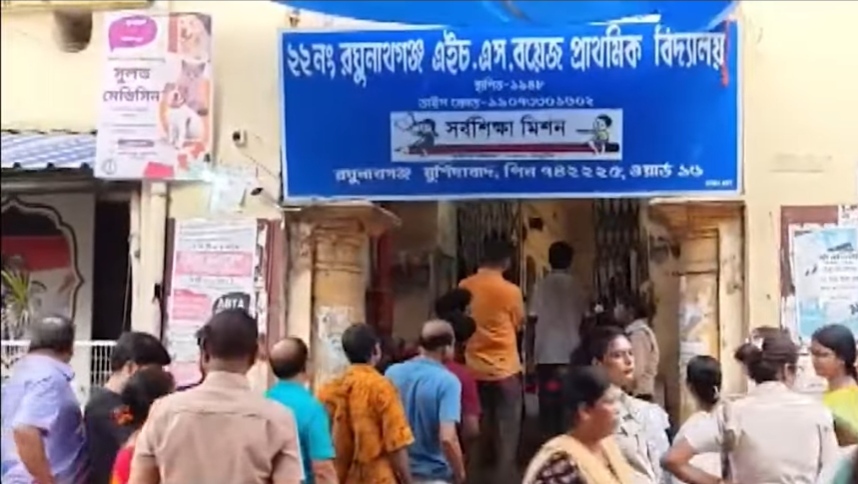
According to Election Commission data, the highest deletions during the SIR exercise took place in constituencies concentrated in the Malda and Murshidabad belt. Sujapur recorded the deletion of 1.50 lakh electors, followed by Raghunathganj with 1.30 lakh, Samserganj with 1.25 lakh, Ratua with 1.23 lakh and Suti with 1.20 lakh deletions. These constituencies were at the centre of the political storm surrounding SIR, with opposition parties alleging that minority-heavy areas were being selectively targeted.
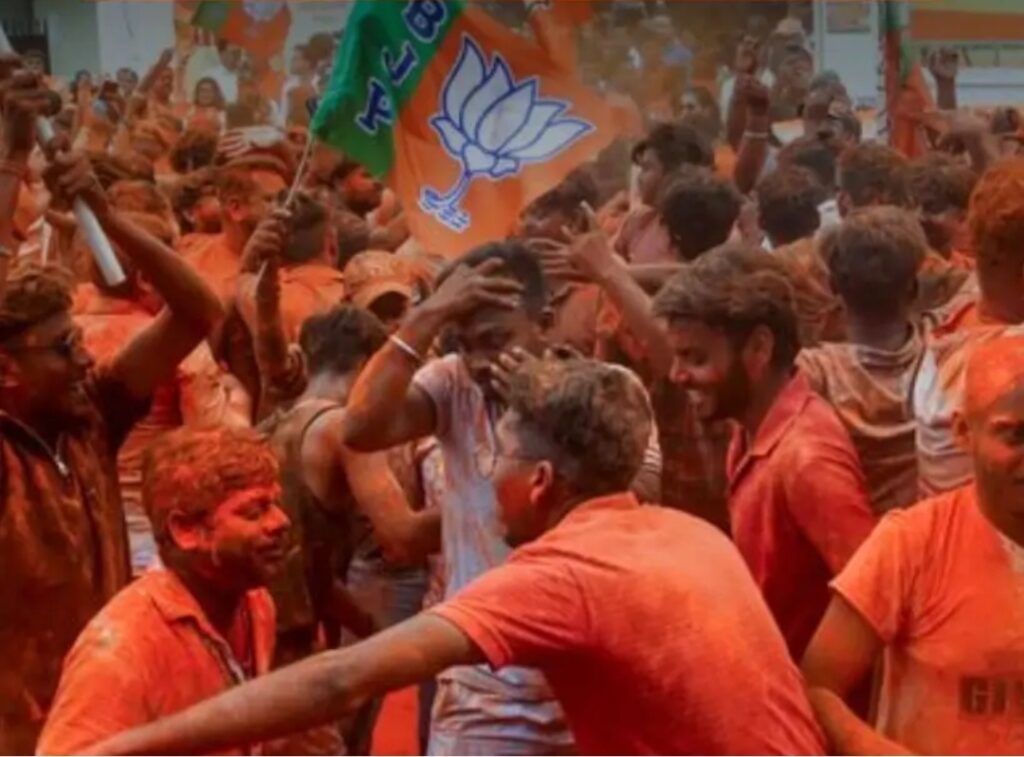
Yet the final election results did not support the narrative that the exercise had electorally weakened the opposition. All five of these constituencies were won by the All India Trinamool Congress (AITC). In other words, despite massive deletions during the revision process, the ruling party retained its dominance in these politically sensitive regions.
The data becomes even more revealing when additions after the SIR are examined. Data shows that the same constituencies also witnessed some of the highest additions of eligible electors between February 28, 2026 and the last date of nomination under Section 23(3) of the Representation of the People Act. Sujapur alone saw 1.14 lakh additions after the final SIR list. Raninagar added nearly 76,000 electors, Harischandrapur over 74,000, Chanchal more than 72,000 and Ratua over 71,000.
These figures suggest that a large number of voters whose names were initially removed either completed documentation later or were restored after adjudication. The Election Commission had maintained throughout the controversy that the exercise was intended to remove duplicate, shifted, deceased or otherwise ineligible electors, while eligible citizens would continue to be added through the legal process. The post-SIR additions appear to support that claim to a considerable extent.
Political analysts point out that if the SIR exercise had truly been designed as a one-sided political operation, constituencies with the highest deletions would not have eventually returned opposition victories. Nor would such large-scale additions have taken place before the elections. The data instead indicates that the revision process was dynamic, with substantial corrections occurring even after the initial deletions.
On the other hand, the constituencies that recorded the lowest deletions during the SIR largely favoured the BJP. According to the EC data, Sabang, Khejuri, Bhagabanpur, Raipur and Katulpur saw deletions ranging only between 8,000 and 9,000 electors, and all five constituencies were won by the BJP.
Similarly, data shows that constituencies with the lowest additions after the SIR, including Krishnanagar Dakshin, Gosaba, Krishnanagar Uttar, Raipur and Narayangarh, were also won by the BJP. In these seats, additions ranged from just 673 to around 1,200 electors.
This pattern has become one of the most discussed aspects of the election data. Areas with relatively stable voter rolls and minimal post-SIR corrections appear to have tilted strongly towards the BJP, while areas with large-scale deletions and subsequent additions remained politically favourable to the Trinamool Congress and, in some cases, the Congress.
The polling data further complicates the pre-election narrative that SIR would suppress voter participation. It shows exceptionally high polling percentages in several constituencies. Bhangar recorded a turnout of 98.07 percent, Canning Purba 98.02 percent and Sitalkuchi 97.97 percent. Minakhan and Haroa also crossed 97 percent turnout.
picture credit social media

We are a multimedia news network. Website : www.7xnews.com Based in New Delhi (India)
Youtube : umakantlakheraspeaks@gmail.com

