
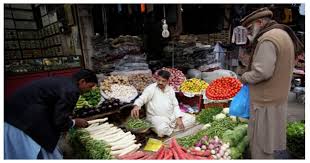
NEW DELHI: Pakistan is facing growing economic pressure as inflation and living costs continue to rise. Despite repeated promises of relief from leaders in Islamabad, many families are still struggling to manage their daily expenses.
Higher food, transport, and utility costs are putting a huge strain on household budgets, particularly for low-income families, forcing many households to cut back on spending and make difficult choices about their daily needs.
Despite brief periods of economic recovery, deep structural problems continue to damage household budgets. With inflation rising again to 11.7% in May 2026 and transport costs surging by nearly 37%, Pakistan has ranked among the world’s top 10 countries facing the worst food crises.
Today, millions of families are being priced out of nutritious diets, turning meat into a luxury item for many households.
Pakistan’s headline Consumer Price Index (CPI) inflation stood at 11.7% year-on-year (YoY) in May 2026, up from 10.9% in April. This is the highest inflation rate since June 2024 and remains well above the State Bank of Pakistan’s target range of 5–7%. Food and non-alcoholic beverage inflation reached 7.9% YoY in May, slightly higher than 7.6% in April.
With nearly 29% of the population living in poverty, the state’s inability to control rising costs has turned a simple grocery trip into a struggle for survival.
Pakistan Among Countries Facing Severe Food Insecurity
According to the 2026 Global Report on Food Crises (GRFC), Pakistan ranks among the 10 countries with the largest food crises in the world. Approximately 11 million people faced acute food insecurity in 2025.
This does not mean that one out of every ten Pakistanis is facing food insecurity. Pakistan’s population is about 250 million, so 11 million people represent roughly 4–5% of the population, or about 1 in every 23 Pakistanis.
Notably, the cost of mutton, cooking oil, eggs, sugar, milk, and many other everyday food items is generally higher in Pakistan than in India. The average Pakistani consumer is paying significantly more for basic necessities than they did just a few years ago, while incomes have struggled to keep pace with rising prices.
A comparative market analysis of retail grocery data from mid-June 2026 reveals that the cost of household staples remains significantly higher in Pakistan than in neighboring India, putting extra pressure on domestic budgets. All retail prices have been converted to Indian Rupees (INR) for direct evaluation:
Many everyday food items cost more in Pakistan than in India, putting extra pressure on household budgets. (Data source: Pakistan Bureau of Statistics (PBS) market surveys and the Indian Department of Consumer Affairs (DCA) daily retail price reports from mid-June 2026.)
Goat mutton in Pakistan costs Rs 807/kg, beef Rs 429/kg, wheat floir Rs 41.5/kg, rice Rs 52.5/kg, cooking oil Rs 207/litre, milk Rs 8.6/litre, eggs Rs 282/dozen, sugar Rs 60.7/kg, potatoes Rs 24.4/kg, onions Rs 16.1/kg, tomatoes Rs 21.3/kg (Rs are Indian rupees).

We are a multimedia news network. Website : www.7xnews.com Based in New Delhi (India)
Youtube : umakantlakheraspeaks@gmail.com

