
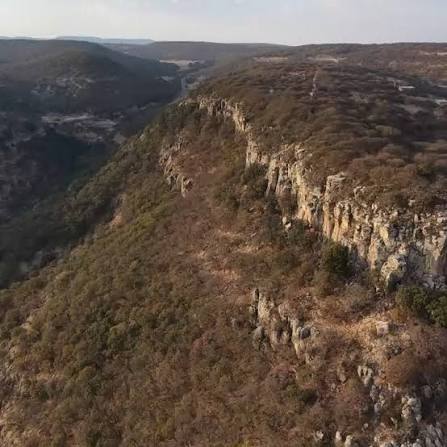
NEW DELHI: Delhi faced many dust storms this June because of the slow collapse of its natural defence: Aravallis, one of the planet’s oldest mountain systems, a 650km spine of hills that runs from Delhi through Haryana and Rajasthan into Gujarat.
For ages, it has worked as a natural wall, blunting the hot, sand-laden winds that sweep in from the Thar Desert. That wall is now crumbling, and the problem has reached the courts.
In November 2025, the Supreme Court settled, for the first time, a single legal definition of what counts as the Aravallis and froze new mining leases across Delhi, Haryana, Rajasthan and Gujarat until a proper sustainable mining plan is ready, a move meant to curb the quarrying and building that have torn gaps in the range.
On June 23, a severe storm struck around 2.30pm, prompting a red alert for Delhi, Haryana, Uttar Pradesh and Rajasthan, with squally winds near 100kmph before light rain and thunderstorms offered relief.
Uncovered building material and earth moving at city sites add to Delhi’s heavy local dust load.
IMD issued many more nowcasts, the short-term local warnings used for sudden weather, for dust-raising winds through May and June. Delhi sees several such aandhi, the local word for these abrupt dust storms, every pre-monsoon season, though their strength and clustering shift from year to year.
Dust storms are natural, yet scientists say a warming planet is sharpening their edges.
Hotter summers store more energy in the atmosphere, feeding the very instability that drives these dust storms. There is no firm agreement that they strike more often, but the heatwaves and volatile conditions behind their fury are clearly growing more pronounced.
The dust then mixes with the city’s own pollution, pushing air quality to dangerous levels.
Decades of mining, tree-felling and unchecked construction have punched gaps in the Aravalli Range, letting more dust sail straight into the National Capital Region.
This is partly why road dust, much of it fed by building work and broken surfaces, is the single largest source of coarse PM10, the term for particles up to 10 micrometres wide, far thinner than a human hair.
Construction does not create the great storms from the desert. What it does is leave the city blanketed in loose dust that the wind can pick up. When a Thar storm sweeps in, its winds resuspend, or lift back into the air, all this local grit at once. Desert dust and city dust then combine, sending readings of PM10 and finer PM2.5 soaring and keeping the air hazardous long after the storm itself has passed.
These storms are a pre-monsoon affair, peaking between March and June. They ease once the monsoon sweeps in, settling the dust and cooling the land.

We are a multimedia news network. Website : www.7xnews.com Based in New Delhi (India)
Youtube : umakantlakheraspeaks@gmail.com

