

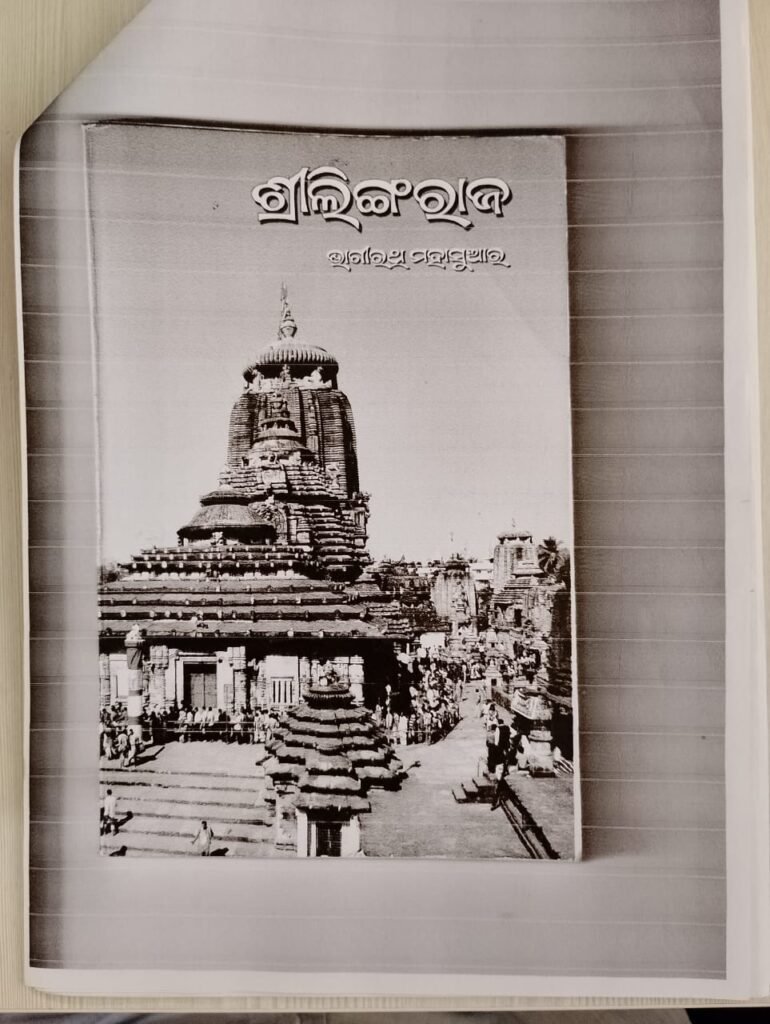
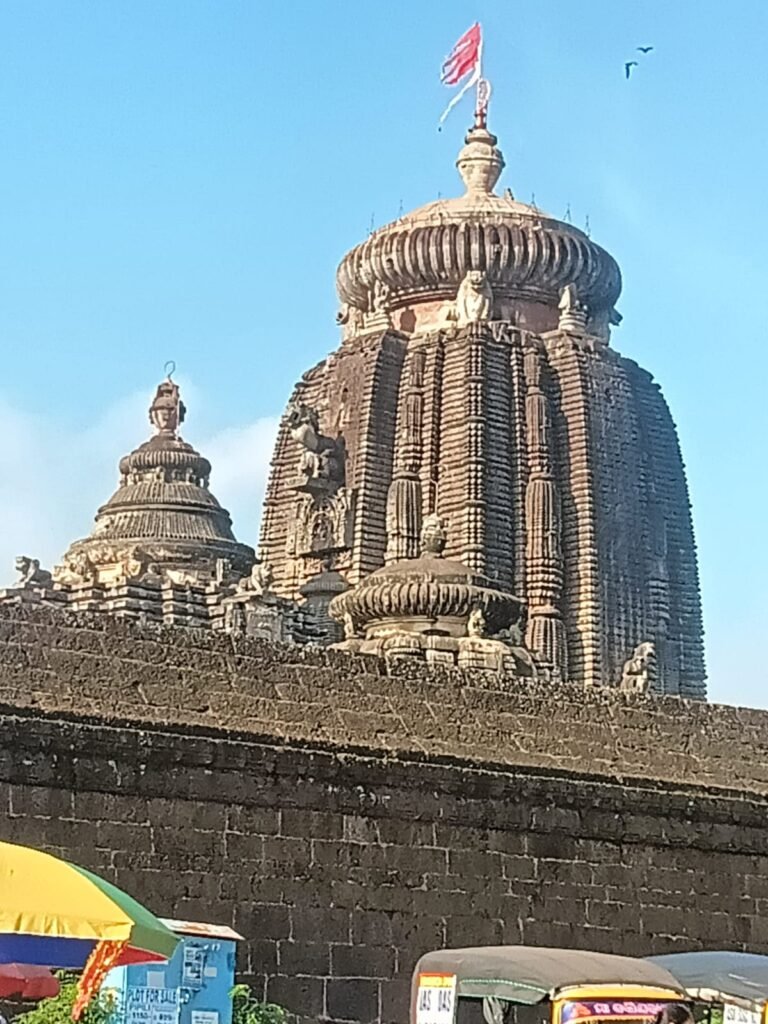
Bhubaneswar is popularly known as the “Temple City” because of the presence of the Great Temple, described in the British Lexicon as the Temple of Lord Lingaraj, along with temples dedicated to several subsidiary deities surrounding the Lingaraj Temple. These include Tiritheswar, Bhabani Shankar, Dakara Bibhisan, Ananta Basudev, Dwarabasini, Uttarayani and many others.
A considerable number of Shiva temples have also existed across the sacred landscape of Bhubaneswar, including Bakreswar, Beleswar, Chitrakarini, Chakreswar, Chamapakeswar, Bhrukuteswar, Gosagareswar, Kuseswar and Kukuteswar. Along the road behind the Ananta Basudeva Temple stand Kotitirtheswar, Subarnajaleswar and Swarnajaleswar. Proceeding towards the Kedar Gouri Temple Complex, one encounters the majestic Parasurameswar Shiva Temple, Siddheswar Temple and Mukteswar Temple, which are managed and protected by the Archaeological Survey of India.
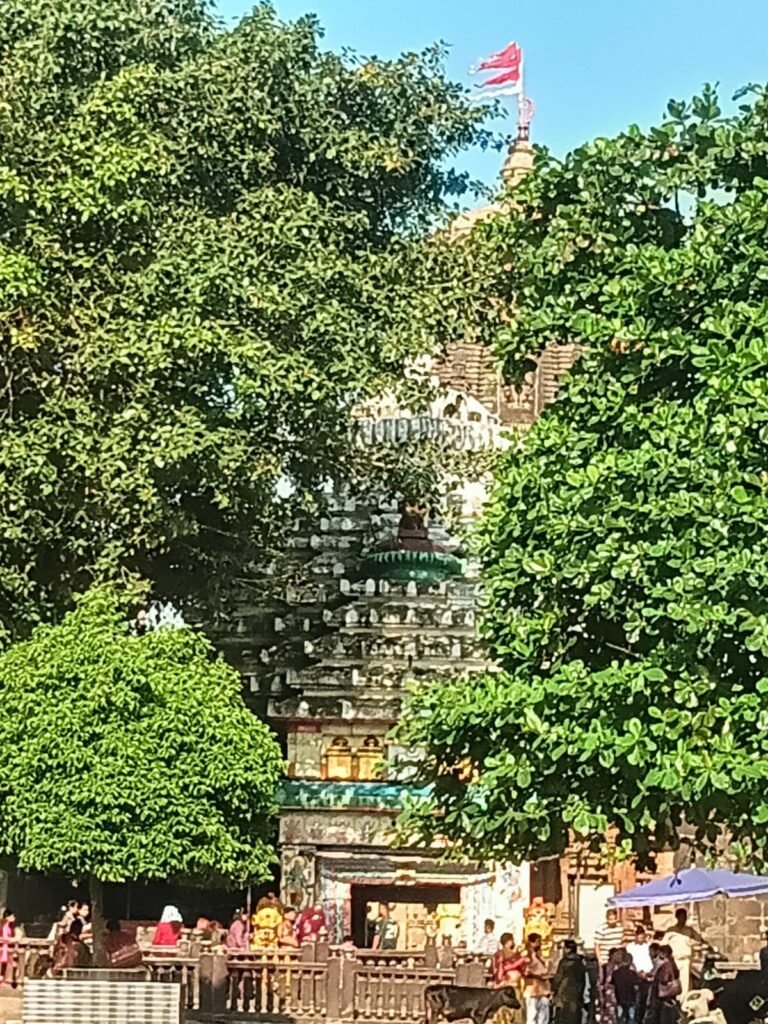
In close proximity are the Kedareswar Shiva Temple and Maa Gouri Temple, together with natural water reservoirs such as Gouri Kunda, Dudha Kunda and Kedar Kunda. These water bodies have traditionally been associated with medicinal properties and with the sacred ecology of the temple landscape.
At present, proceeding along Tankapani Road from Rabi Talkies Square, one comes across the Rajarani Temple on the right-hand side of the road. The temple is distinctive because it does not contain an idol for regular worship. Approximately one kilometre farther are three important Shiva temples: Bhaskareswar, Brahmeswar and Megheswar, all of which have historical and ritual connections with the Lingaraj Temple and its associated traditions.
Among the most significant features of this sacred landscape is Bindusagar Lake, situated in close proximity to the Shree Lingaraj Temple. During the 21-day Chandana Festival, Shree Lingaraj Mahaprabhu ceremonially moves around the lake, while different servitors carry the Chalanti Pratimas in a boat around the Jagati, a prominent platform in the middle of the lake where the Chalanti Pratimas are placed during the festival.
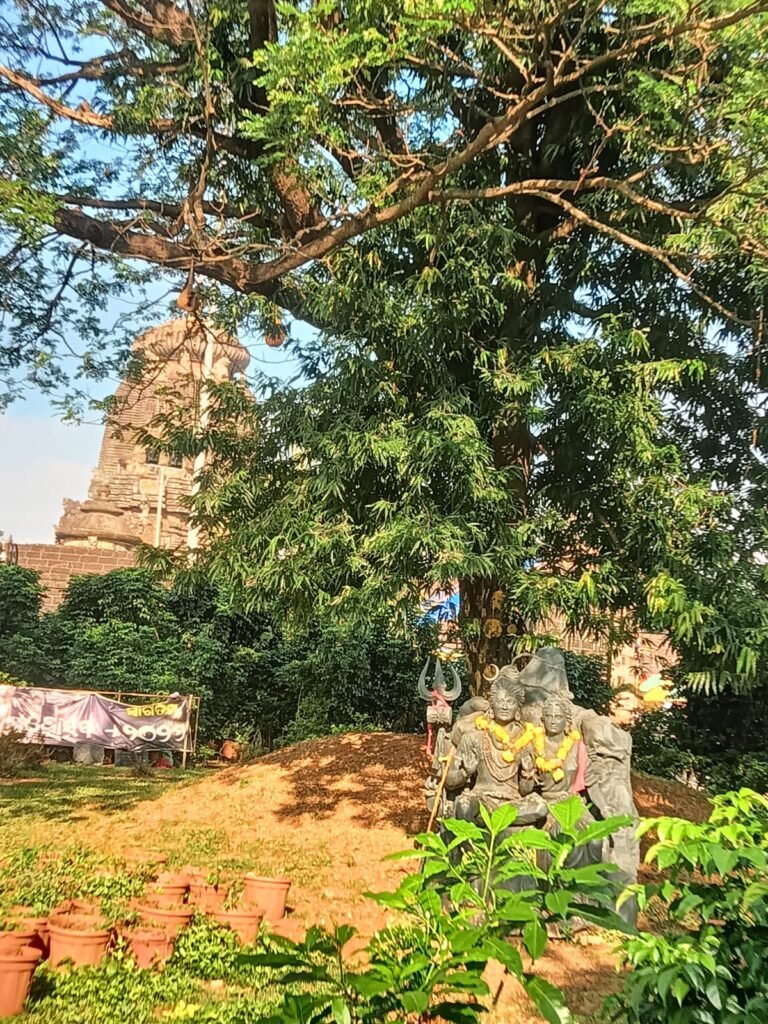
There is an interesting story about lord lingaraj yatra. That’s called Ashoka Astami Car Festival. It falls on the 8th day of the Chaitra masa- of the Hindu calender -Around April -May in the English calender . This day the Chariot of the Lord Lingaraj proceeds along the Ratha Danda – Ratha Road- to Lord Rameswar Temple three kilometres away. Where a cluster of temple such as Laxameswar, Bharateswsra, Shatruughaneswara, Labakrswara and Kushakeswsea forming a majestic presence reflecting the very soul of the Ramayana era, something that comes as a blessings to the viewers.
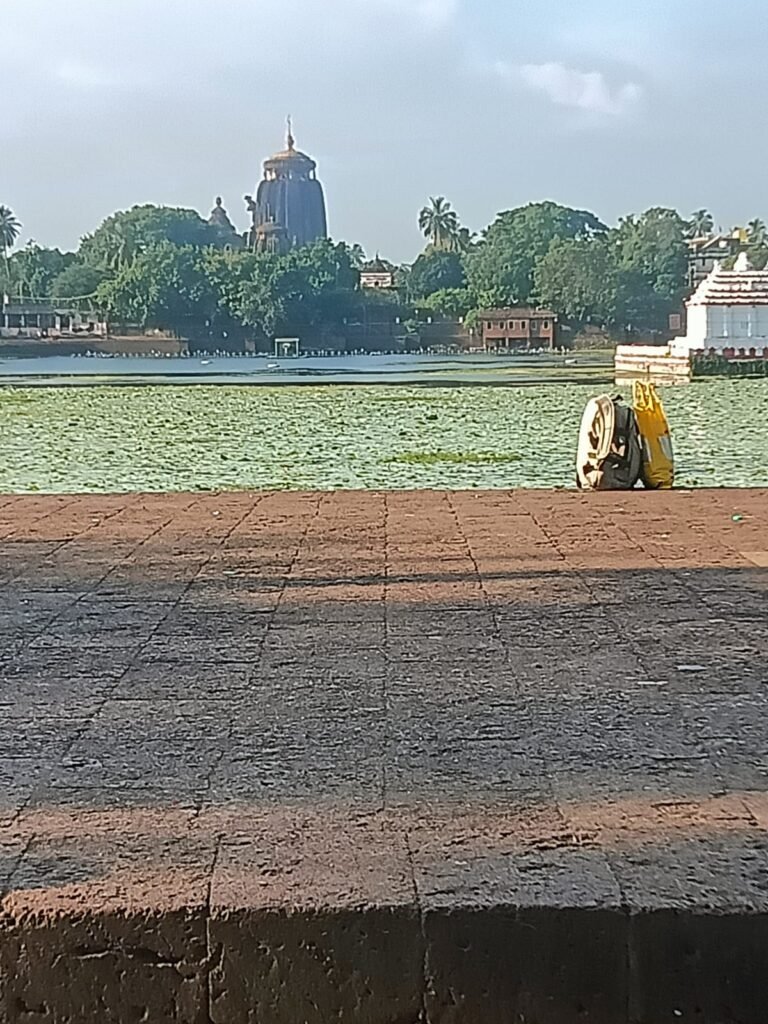
Researchers and historians describing the grandeur and sanctity of Ekamra Kshetra have placed Bindusagar Lake at a particularly high level of religious and cultural significance. The lake is not merely a water body; it forms part of a larger sacred geography in which temples, tanks, streams, groves, ritual practices and landscape features are interconnected.
Historical descriptions provide an important glimpse into the landscape of early twentieth-century Bhubaneswar. In the 1900s, many temples had been abandoned because the area was covered by dense forest and regular puja was difficult to maintain. The city contained extensive groves of Kochila, Bara, Aswastha, Amba, Panasa, Bakula, Ashoka, Nageswara, Muchukunda, Kadamba and Bilwa trees.
Gunanidhi Mahapatra, in his book Mo Katha Mo Byatha, provides an evocative account of the area around the Gandhabati stream during the 1930s. According to his description, almost everyone living in Bhubaneswar at the time was connected in some way with the traditions of the Lingaraj Temple. Extensive mango groves stretched from Santarapur, east of the Lingaraj Temple, towards Kapileswara in the south. The groves were so dense that even at two o’clock in the afternoon sunlight could barely penetrate the trees.
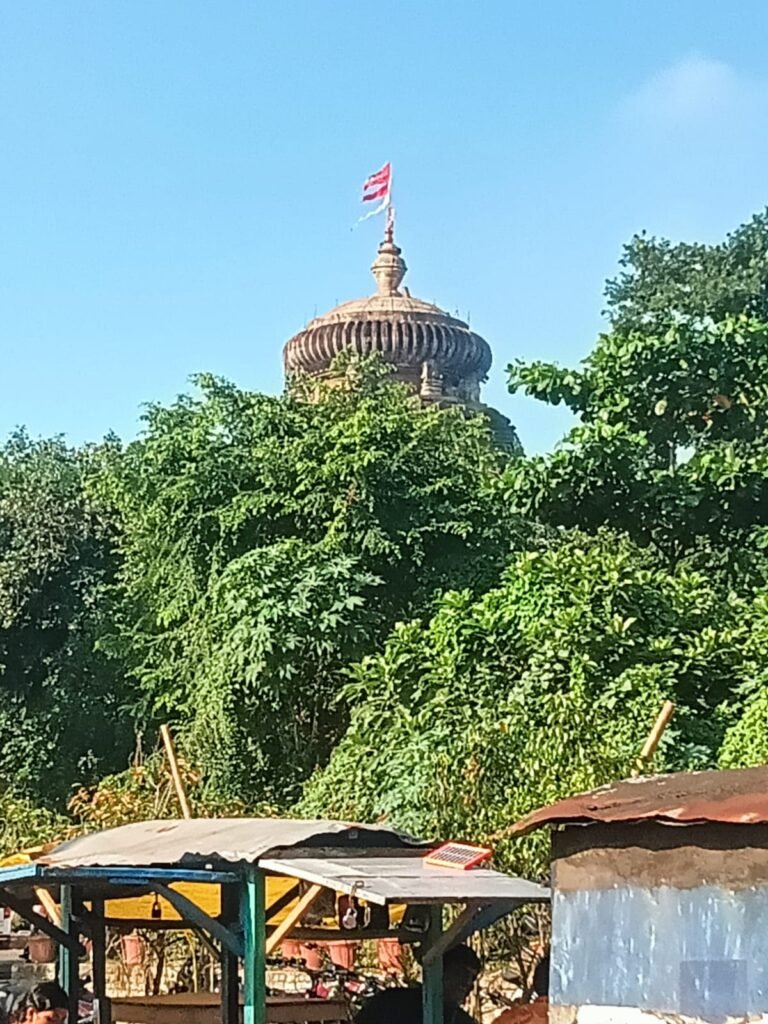
The northern side of Bindusagar towards Badagada was similarly covered with Kochila plants. Kochila trees were traditionally believed to help purify underground water. In a landscape containing numerous ponds and water structures, such vegetation formed part of an indigenous ecological approach to maintaining water quality. Gunanidhi Mahapatra also describes a forest on the western side of the old town, beyond the railway line, as well as a bamboo forest near Rameswara Temple.
The Gandhabati River and Bindusagar Lake have therefore become important subjects of study for archaeologists, spiritual practitioners, researchers and historians. According to descriptions of the sacred geography of Ekamra Kshetra, there are eight sacred enclosures, or ayatanas, consisting of groups of temples and tanks representing the four cardinal directions and four intermediate directions of the cosmos.
The sacred geography of Ekamra Kshetra is described in Ekamra Chandrika, particularly in its fifth chapter. Although the textual descriptions primarily identify temples and tanks, the historical landscape would also have included other associated features and visual connections. A tank, for instance, cannot be understood independently of the stream, whether surface or underground, that feeds it. Terrain, water systems, sacred groves and ritual pathways therefore become essential components of the ayatanas.
Even today, this sacred landscape continues to be perceived through daily worship and ritual practice. It may therefore be understood as a continuing cultural landscape and as a significant example of an Indian Cultural Landscape. When the ayatanas are mapped, the association of the Gandhabati River emerges repeatedly, preserving the memory of an older belief system connected with the river and the sacred geography of Ekamra Kshetra.
Among the eight ayatanas, Bindusagar belongs to the first ayatana and is regarded as one of the holiest sites. Together with Bindusagar, Ananta Basudeva, Devi Padahara, Tirtheswara and the eight-formed Lord Lingaraj constitute the first ayatana. Some historical interpretations place the origins of Bindusagar as early as 300–324 B.C. There is also a possibility, requiring further research, that the water body was later developed during the Mauryan period and associated with the name Bindusara. In subsequent periods, a strong Shaivite layer appears to have developed around the site. The changing belief systems associated with Bindusagar therefore remain an important subject for further historical and archaeological research.
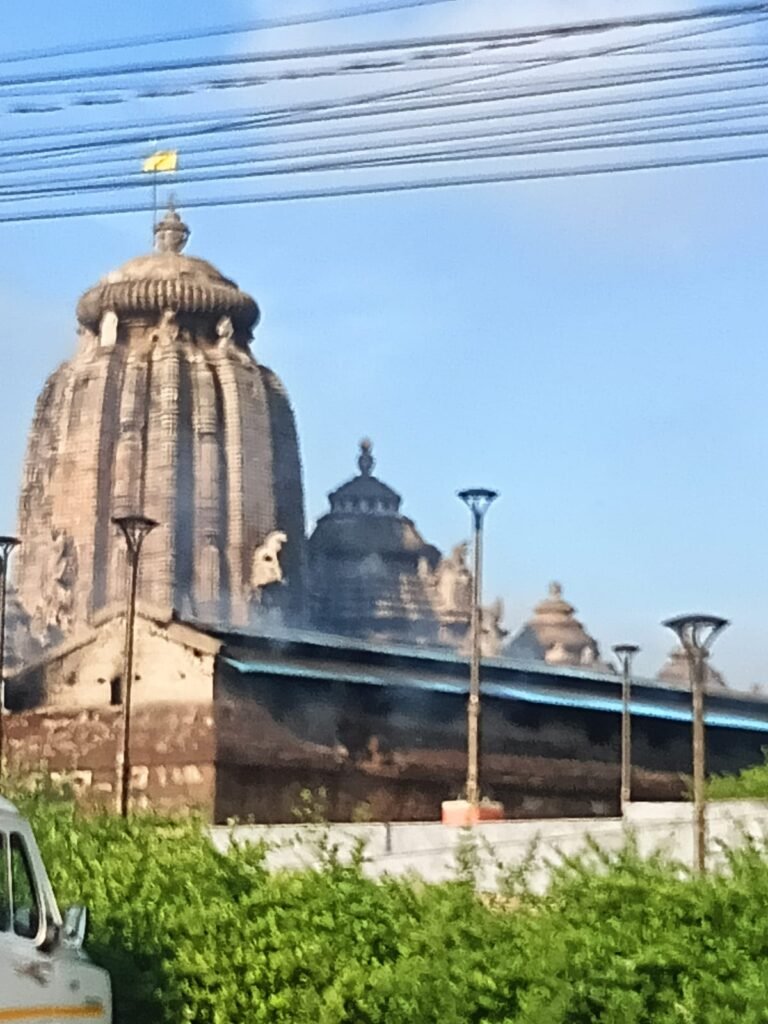
The temples and monuments scattered throughout Ekamra Kshetra are also protected through India’s heritage-preservation framework, including the Ancient Monuments Preservation Act, 1904, as subsequently modified and supplemented by later legislation. The architectural and symbolic richness of the region invites comparison with other ancient sacred architectural traditions of the world.
One such comparative study was undertaken by Amit Chatterjee, Assistant Professor, Department of Architecture, Veer Surendra Sai University of Technology, Burla, in his article “Comparative Analysis of Symbolism and Spiritual Significance in Egyptian Pyramids and Odisha Temples: A Case Study of Lingaraj Temple, Bhubaneswar, India.” The study examines the symbolic and spiritual dimensions of the Lingaraj Temple alongside the monumental traditions of ancient Egypt.
Bindusagar also occupies a distinctive place in the spiritual traditions associated with Odisha. Sadguru Swami Nigamananda Paramahansa Dev, described as a saint who attained distinction through the four paths of Sanatana Dharma—Tantra, Jnana, Yoga and Prema—has been associated with profound spiritual accounts concerning Bindusagar Lake. According to an account attributed to his devotees from Odisha who met him at Saraswata Math at Kokilamukh, near Jorhat in Assam, he spoke of the Shiva Kanyas, or damsels of Kailash, bathing in Bindusagar during Brahma Muhurta, from approximately 3 a.m. onwards. Devotees have also traditionally described witnessing a divine dance associated with this belief.
The same spiritual account records Swami Nigamananda Paramahansa Dev’s appreciation of the Bana Vidyalaya at Sakhigopal, Satyabadi, established by Utkalmani Gopabandhu Das and his four compatriots, the Pancha Sakha. He regarded its model of value-based education and spiritual cultivation as worthy of being established throughout India irrespective of caste, creed, colour or religion.
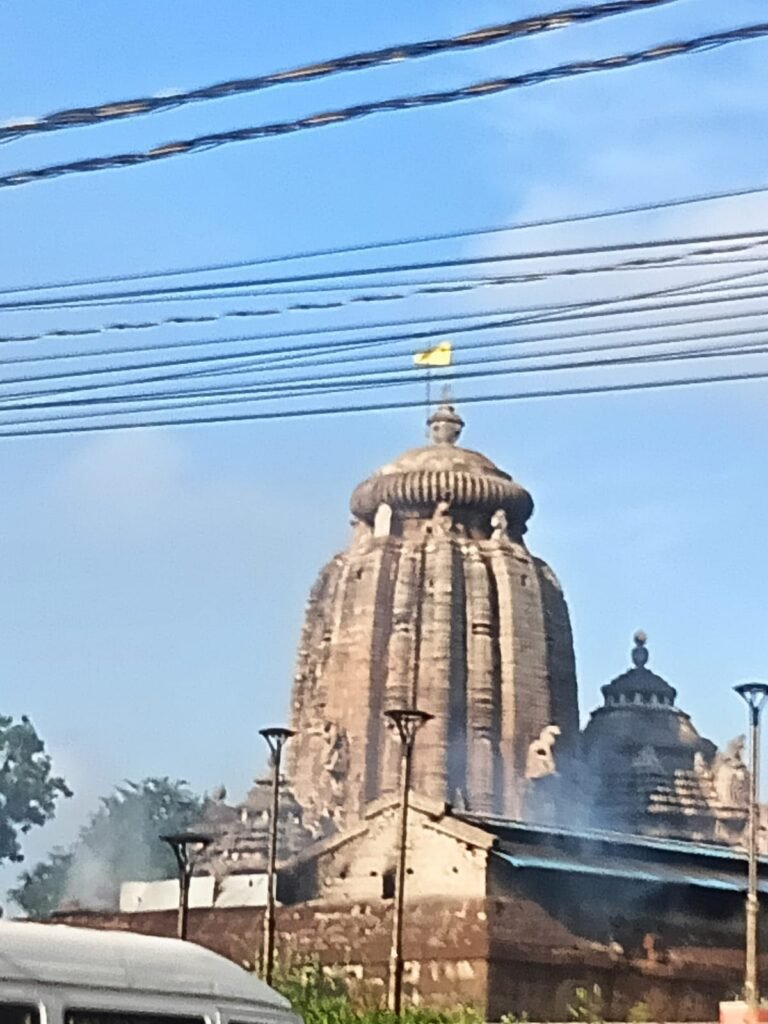
Taken together, the temples, water bodies, rivers, sacred groves, ritual practices, historical memories and living traditions of Ekamra Kshetra reveal a cultural landscape in which architecture and ecology cannot be separated. Bindusagar lies at the heart of this interconnected system. Its religious significance is reinforced by the rituals of Lingaraj, its historical significance by the long chronology attributed to the lake, and its ecological significance by the network of water bodies, vegetation and the Gandhabati landscape.
The continuing importance of Bindusagar therefore extends beyond the physical boundaries of a lake. It represents a living repository of memory, ritual, ecology and sacred geography, and remains central to understanding why Bhubaneswar is celebrated as one of India’s great temple cities.

The writer is an ex- bureaucrat, a scholar with over ten books to his credit and presently an advocate in Odisha Highcourt.