

The Intellectual Anchor of a Golden Era
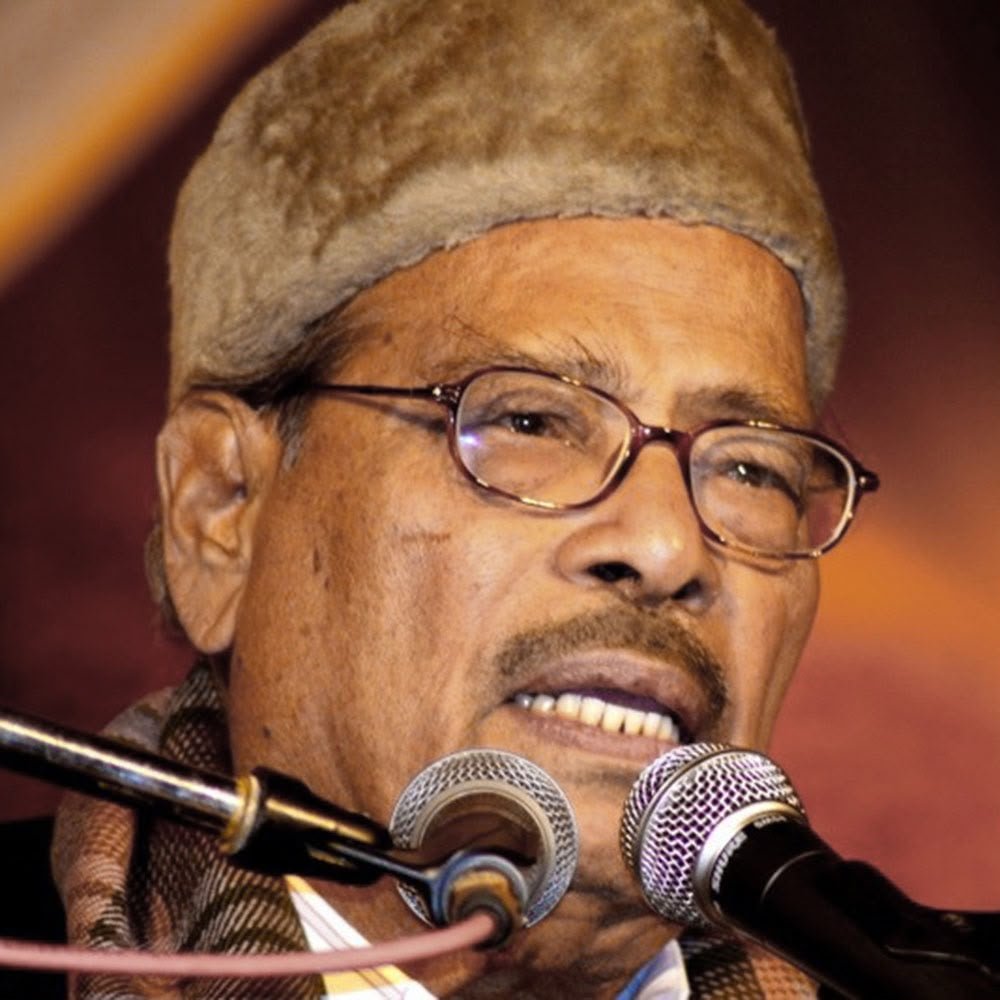
On October 24, as the nation marks the death anniversary of Prabodh Chandra Dey—known universally to millions as Manna Dey—his legacy resonates with exceptional clarity. In public memory, the golden age of Hindi film music is frequently defined by the towering presence of Mohammed Rafi, Kishore Kumar, and Mukesh. Yet, standing alongside them with quiet authority was Manna Dey: a titan less mythologized by popular culture, but unmatched in technical perfection, grammatical precision, and emotional range. Where his contemporaries captured the mood of an era, Manna Dey defined its musical discipline.
Translating Classical Rigour for the Masses
His grounding in classical music was both formidable and rare for popular cinema. Steeped in foundational traditions under his uncle, the revered Krishna Chandra Dey, and refined through rigorous tutelage under Ustad Dabir Khan and Ustad Aman Ali Khan, he brought an academic depth to the studio that few could mirror. Upon moving from Kolkata to Mumbai in the early 1940s—initially assisting Sachin Dev Burman before establishing his own identity with “Upar Gagan Vishal”—he accomplished what few classical purists ever achieved: he democratized complex ragas. In timeless compositions like “Poocho Na Kaise Maine Rain Bitayi,” “Laga Chunari Mein Daag,” and “Zindagi Kaisi Hai Paheli,” Manna Dey translated intricate structural frameworks into accessible, emotionally haunting melodies.
A Virtuoso Beyond Classical Bounds
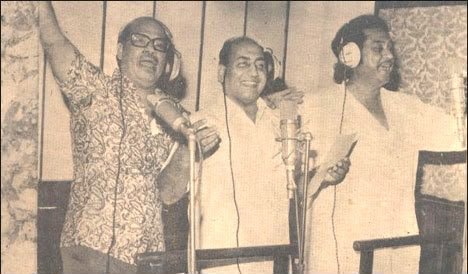
To view Manna Dey purely as a classical purist, however, is to overlook the sheer breadth of his artistic range. His versatility remains one of the most remarkable achievements in Indian cultural history. He moved between disparate genres with effortless grace—commanding spiritual power in qawwalis like “Na To Caravan Ki Talaash Hai,” matching comic brilliance with Kishore Kumar in “Ek Chatur Naar,” capturing sublime romance in “Aaja Sanam Madhur Chandni Mein,” and evoking quiet patriotism in “Ae Mere Pyare Watan.” Whether rendering delicate ghazals, devout bhajans, or Western-influenced tracks like “Aao Twist Karen,” his vocal dexterity knew no limits.
The Craftsman’s Singer
Collaborating with master composers such as Anil Biswas, Shankar-Jaikishan, and Naushad, Dey became the definitive “musician’s singer.” Unlike many of his peers, he was rarely bound to the screen persona of a single leading man. Instead, he was the vocalist chosen when a composition demanded uncompromising musicality over mere star power. Across a career spanning five decades and more than 4,000 songs across multiple Indian languages—honored with the Padma Shri, the Padma Bhushan, and the Dadasaheb Phalke Award—his contribution transcended the fleeting nature of stardom to secure a permanent place in the nation’s artistic consciousness.
An Enduring Cultural Compass
When he passed away in Bengaluru on October 24, 2013, Indian music lost not merely a gifted vocalist, but a custodian of artistic integrity. Yet, his work has not faded into nostalgia. In a modern landscape increasingly driven by rapid rhythms and visual spectacle, Manna Dey’s repertoire serves as a vital anchor—a reminder of a time when musical craft was defined by devotion, patience, and purpose. To honor him today is not simply an act of remembrance; it is a reaffirmation of the soul, rigor, and depth of Indian music.

~Hasnain Naqvi is a former member of the history faculty at St. Xavier’s College, Mumbai….
The opinions expressed here are solely those of the author.