

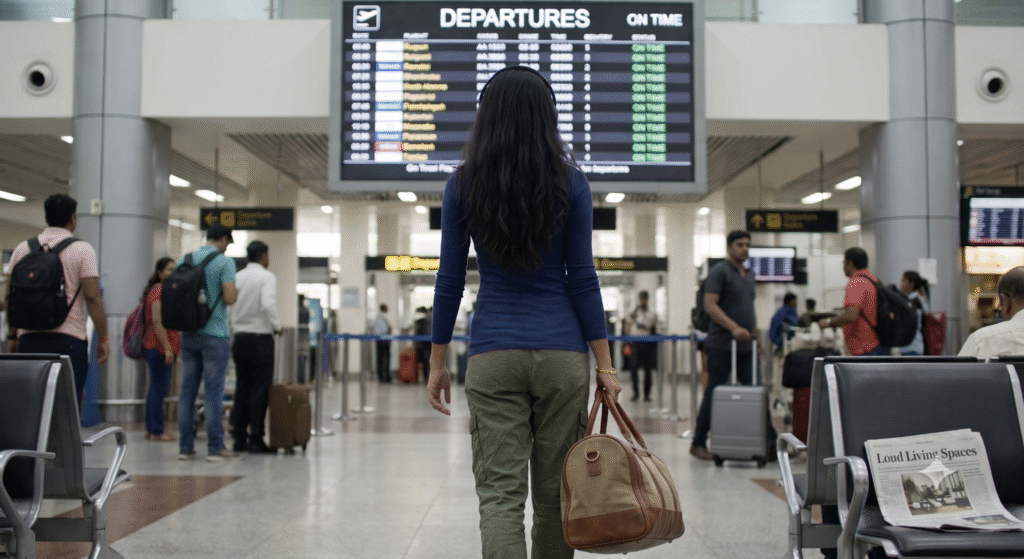
I’ve travelled to 58 countries on 5 continents and after an extended stay in India (2019-2023) I ranked India at the #1 destination in the world. It nudged Peru into second place but ironically, both countries have many similar attractions. The geographical diversity is incredible with mountains, coastlines, jungles, forests and deserts. The significance of family and the strong sense of community is powerful in both countries. Each of the two are also amazing hosts who treat guests as royalty or gods. The kindness and generous hospitality make both countries appeal to tourists seeking a genuine experience. Concern for safety and low crime attracts solo travelers, especially women.
I returned to India in March of this year after nearly 4 years absent. I was shocked by the development that had occurred in such a short time but the next strongest impression was that the garbage had gotten even farther out of control. India was simultaneously progressing and regressing. The economy was stronger but the people were depressed.
What happened?
First off, it’s harder to get into the country. The visa process is more costly and cumbersome compared to Thailand, Albania or Turkey. Higher airfares, accommodation and transportation costs are key factors. Prices have risen at restaurants and markets, the rupee stronger against international currencies… other countries offer better bang for the buck.
After a couple of weeks in the country, I soon discovered more deterrents. Firstly, the cost of getting access to cash was higher. Most vendors use Paytm or Google pay, but foreigners can’t interact in that system. Cash transactions are also complicated by the fact that many vendors don’t have proper change since the majority of purchases are made electronically. Many places no longer accept credit cards, especially foreign ones, and withdrawals at ATMs are unreliable. I estimated I was losing between 15 and 20% in exchange rates and bank fees.
While domestic tourism has risen, this has greatly contributed to the decline of foreigners. Goa which was once an expat hotspot is now overrun by people from Delhi, Bihar and Mumbai. The domestic visitors are also responsible for much of the trash on the roadways and beaches, the increase in traffic on the smaller roadways, and the reduction in service and hospitality. (Due to their demands, sense of entitlement and elitism.) I asked a family on the beach in Vagator why they were leaving their litter behind. They complained that it was the job of the government to clean up the mess.
Huh??? We are all responsible to respect the environment, it is not the duty of government.
As a solo female traveler, I can say that the aggressive behavior of the many men has stopped me from going out and enjoying events in the evening. Drunken advances with no security to protect me, spells trouble. There are zones where the police presence is minimal due to local “arrangements” and protection is provided by vigilante forces. I don’t see that as an effective, reliable system, nor one that I can trust.
The social climate has degraded since the pandemic days. It seems that while the economy has recovered, the locals are still depressed. People complain about the government, but the problem rests in the hands of the citizens. Charge fair prices, take pride in your service, clean up your messes and appreciate the people who do come to visit. Why should I suffer because numbers are down from last season, I am here now! I didn’t cause the problem. I’m part of the solution.
Everyone seems hell bent on pointing the finger of blame at someone else. The government has been doing its part. They’ve instigated waste management programs and tightened regulations on runaway development that results in destruction of wild spaces. The potential for eco-tourism is grossly untapped, not only in Goa but in many other regions. Wildlife parks, eco farm stays, mountain treks and sacred/historical sites offer experiences that can’t be found in other countries.
The attitude of the average Indian needs to change. Take some pride in your country. If you need some inspiration, here are a few reasons to be proud:
- India has surpassed China as the number one rice producer. (World leader since 2022)
- The tech industry is booming, international investors now recognize India as the leader in many sectors. Nearly 6 million employed and $350 billion (estimated) revenues for India in 2026.
- Infrastructure has increased exponentially with new airports, metros, ports, bridges, roadways, and upgraded transportation nationally (i.e. high-speed rail, tunnels, green energy corridors.)
- Poverty has declined to record low levels, (Overall Poverty 2011 57.7% – 2023 16.1% with extreme poverty falling to 2.6%) while education is ranked among the top 10 in the world.
- The medical and pharmaceutical (ranked 3rd globally) sectors have advanced to become recognized as world leaders. (Ayurvedic and holistic facilities hold untapped promise)
- India leads the world in the number of films produced annually with 3x that of Hollywood, but remains the 4th highest for revenue from box office. I believe the lower returns can be attributed to providing superior access (streaming) for viewers domestically and worldwide.
I’d like to keep India at the top rank as my preferred destination. What can we do to make that happen?
Instilling civic and national patriotism in children is a great place to start. I spoke at several schools and ask children of all ages, “What’s the best country in the world?”
Their answer, in a resounding chorus, “America!” To me, that is disheartening. Top talent leaves India in search of greener pastures. Many of those who flee India for a “better life” soon discover that the roads aren’t paved in gold.
This new generation needs to know that India is poised to be a world leader, across the board, and the opportunities for a better life, lie here. They need to understand that opportunities are in India, not elsewhere. During my school visits, I share information about the challenges and problems in North America (which is technically 23 sovereign nations.) Crime, drugs, homelessness, runaway economy… The children begin to realize that India might not be such a bad place after all. They are the future leaders, innovators and guardians of the land. Inspire them to answer the question, What’s the best country in the world? with “India!!!”

Alison, a four-decade film-media veteran, is an award-winning producer, writer and journalist, documenting compelling stories worldwide, from Amazon to Himalayas