
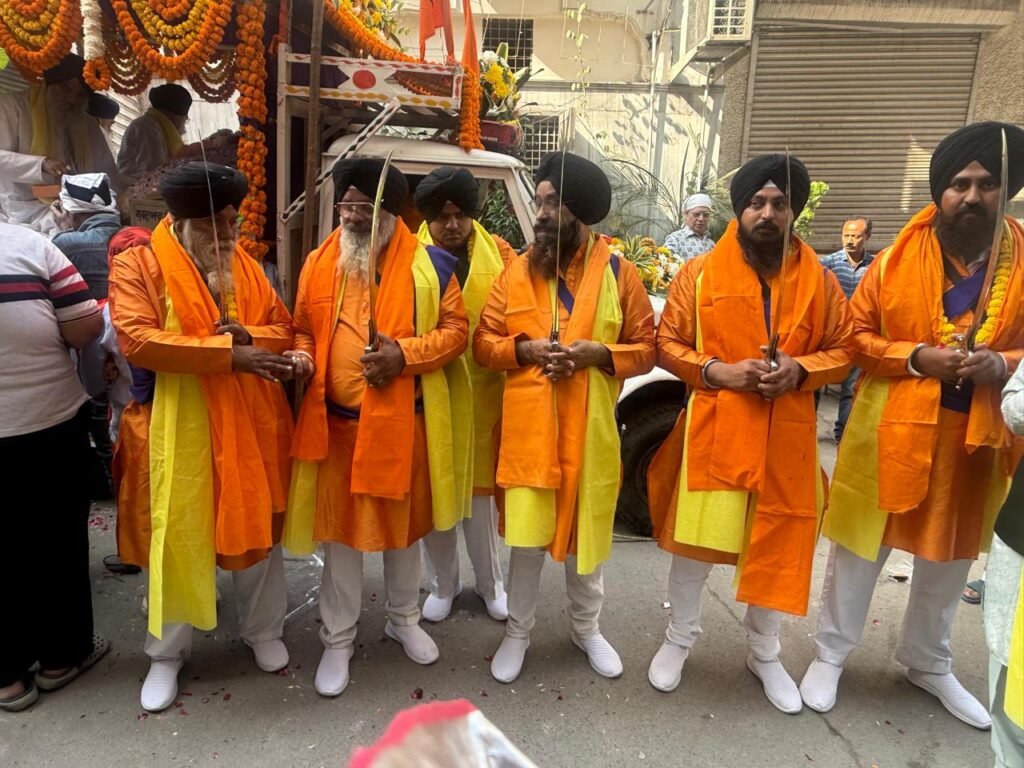
This year, Guru Purab wasn’t just celebrated. It was felt, deeply and differently.
There are some days in life that arrive every year, bringing familiar traditions, familiar faces and familiar celebrations. Yet, sometimes, the same day touches our hearts in a way it never has before. Nothing around us may have changed, but something within us feels different.
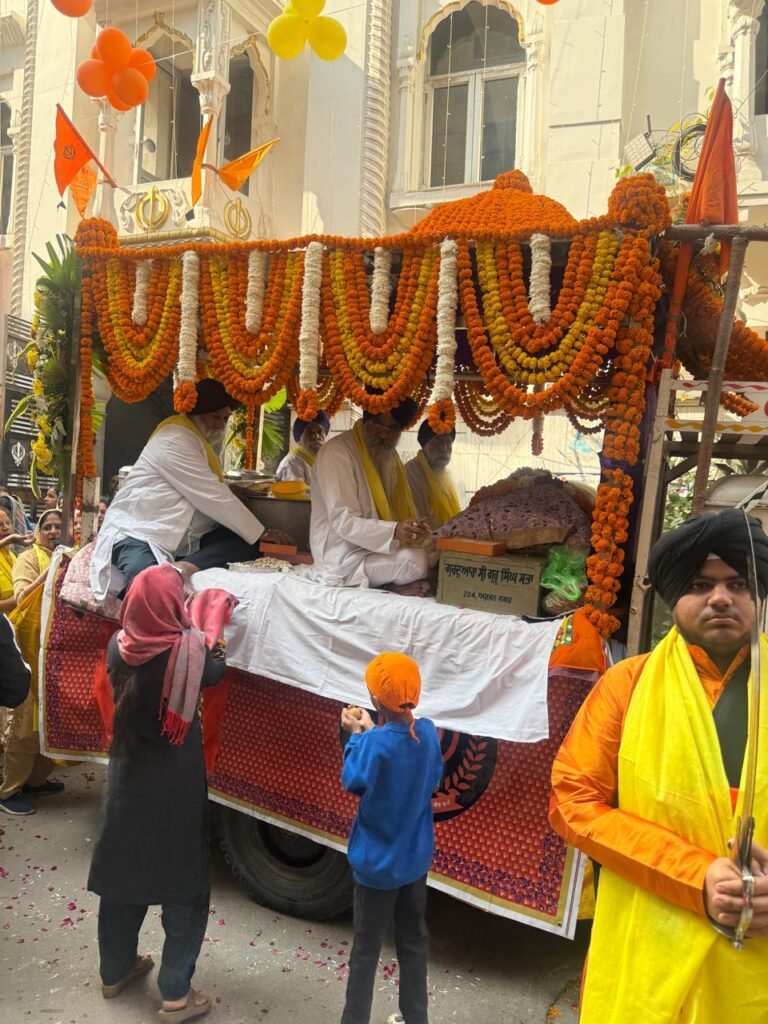
This Guru Purab was one such day.
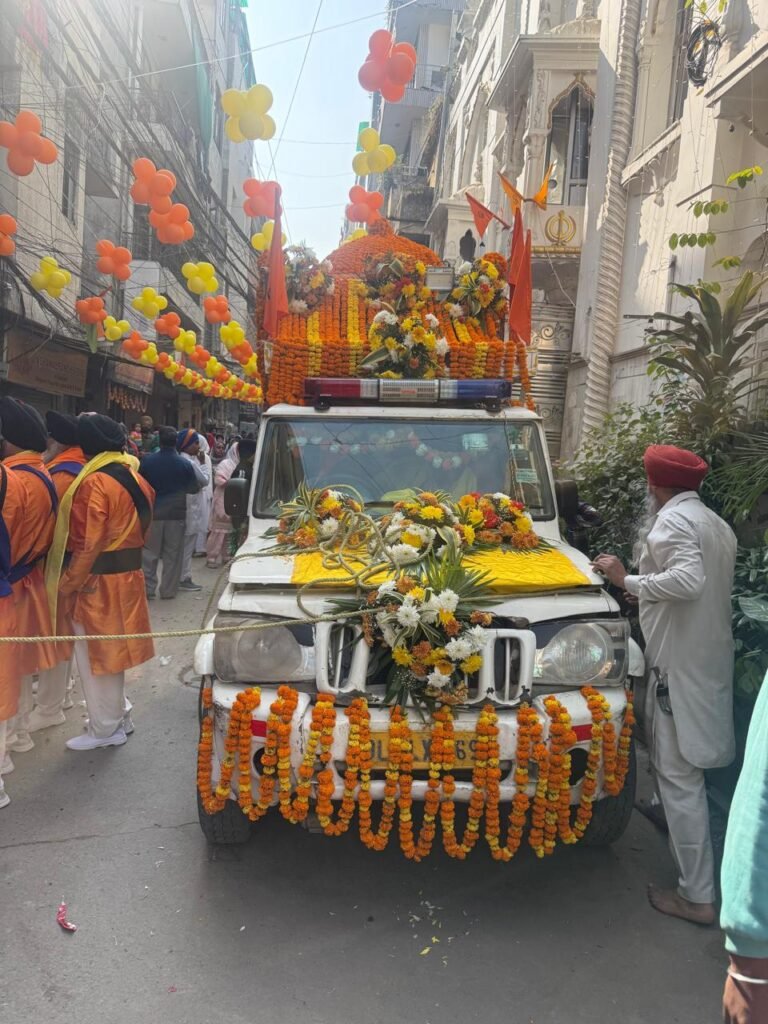
As the morning unfolded, the familiar sounds of Gurbani filled the air. Gurudwaras were beautifully illuminated, flowers adorned the entrances, and the atmosphere carried a sense of peace that is difficult to describe in words. The sight of people walking towards the Gurudwara, some with folded hands, some carrying offerings, and others simply seeking a moment of silence, reminded us that faith brings people together in ways that everyday life often cannot.
But this time, there was something more.
It wasn’t just about attending the celebrations, listening to the kirtan or witnessing the beautiful decorations. It was about pausing for a moment and understanding what Guru Nanak Dev Ji’s teachings truly mean in our lives.
The Message That Goes Beyond Celebration
Guru Nanak Dev Ji gave the world a message that remains relevant across generations: Naam Japo, Kirat Karo, Vand Chhako.
Remember the Divine. Earn through honest work. Share what you have with others.
Three simple teachings, yet they hold the answer to so many of life’s complications.
In a world where everyone is running towards success, recognition and material happiness, these teachings gently remind us that life is not measured only by what we accumulate, but also by what we give.
Perhaps that is what made this Guru Purab feel different. We found ourselves looking beyond the celebration and towards the meaning behind it.
Where Everyone Sits Equal
One of the most beautiful sights of Guru Purab is the Langar.
Imagine people from different backgrounds, professions, age groups and walks of life sitting together in one place. No special seats, no distinctions, no questions about who someone is or how much they own.
Everyone sits on the same floor and receives the same food.
In that moment, the world outside seems to disappear.
The person serving food may be a business owner, a student, a homemaker or someone who has travelled miles to participate in Seva. But inside the Langar hall, everyone is simply a human being serving another human being.
Isn’t that a beautiful lesson?
We spend so much of our lives creating identities through our jobs, possessions, achievements and social standing. Yet, Langar reminds us that before anything else, we are equal.
And perhaps, if we could carry even a little of that equality into our everyday lives, the world would become a kinder place.
The Beauty of Seva: Giving Without Expecting
There is something deeply moving about watching people perform Seva.
Someone is washing utensils. Someone is preparing rotis. Someone is serving water. Someone is quietly cleaning the floor. Others are welcoming visitors with folded hands.
There are no cameras needed, no applause expected and no certificates to collect.
People simply serve.
In today’s world, where even the smallest contribution sometimes seeks recognition, Seva teaches us the beauty of doing something good without expecting anything in return.
It makes you wonder: What if we brought this spirit into our homes, workplaces and relationships?
What if helping someone wasn’t an obligation but a natural expression of kindness?
What if we listened more, judged less and helped without waiting to be asked?
Perhaps that is where the real celebration begins.
A Different Feeling, A Deeper Realisation
This year, Guru Purab brought a different kind of happiness. Not the excitement that fades when the decorations come down, but a quieter happiness that stays with you.
It made us think about the people we sometimes overlook, the blessings we often take for granted and the moments we are too busy to appreciate.
We realised that gratitude does not always require grand gestures. Sometimes, it is simply being thankful for another morning, a meal shared with loved ones, a family that stands beside us and the opportunity to make someone’s day a little better.
The teachings of Guru Nanak Dev Ji also remind us to rise above discrimination, ego, greed and unnecessary divisions.
His message of equality and compassion is not limited to one community or one day. It belongs to humanity.
And perhaps, this is the most beautiful thing about Guru Purab: it invites everyone to reflect, regardless of their background or beliefs.
Taking Guru Purab Beyond One Day
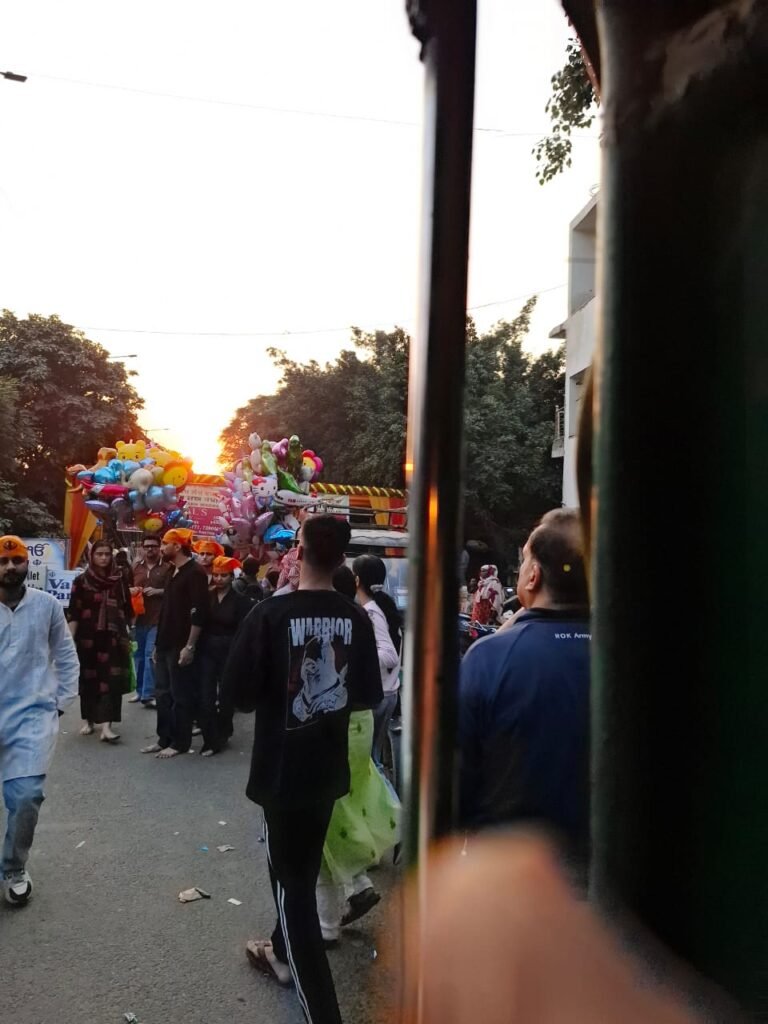
As the celebrations came to an end, the lights slowly faded, the crowds returned home and another day began.
But the real question remained: Would we take these teachings with us?
Would we remember to speak kindly when anger comes naturally? Would we share when someone is in need? Would we respect people regardless of their status? Would we choose honesty even when taking a shortcut seems easier?
Because Guru Purab should not be remembered only through photographs, decorations or celebrations.
It should be remembered through our actions.
Perhaps we don’t need to wait an entire year to celebrate Guru Nanak Dev Ji’s message. We can celebrate it every time we feed someone hungry, stand up for someone being treated unfairly, help without expecting recognition or choose kindness over judgment.
This year, Guru Purab felt different because it reminded us of something we often forget in the rush of everyday life:
The true way to honour a Guru is not merely to remember His teachings, but to practise them.
And perhaps, that is the celebration that never really ends.
Waheguru Ji Ka Khalsa, Waheguru Ji Ki Fateh.

We are a multimedia news network. Website : www.7xnews.com Based in New Delhi (India)
Youtube : umakantlakheraspeaks@gmail.com