

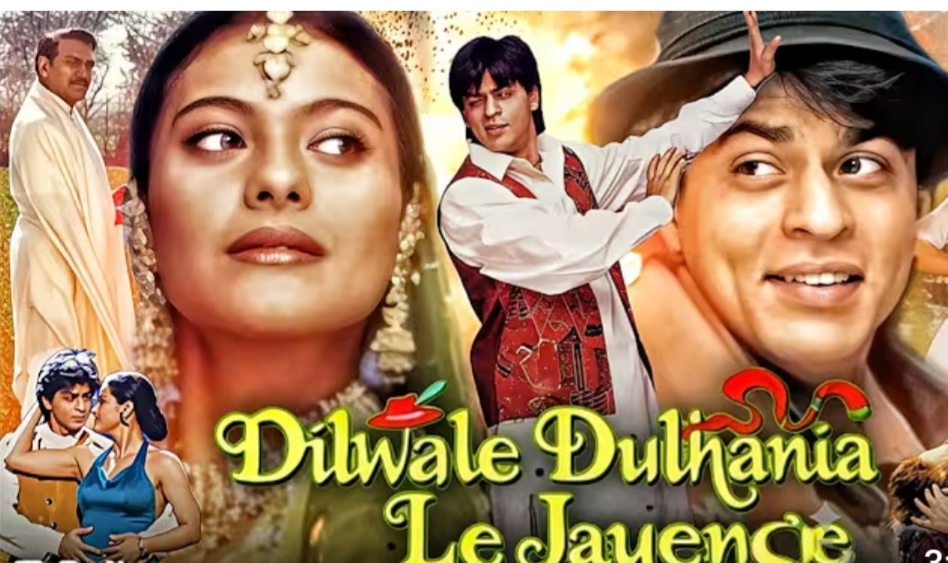
30 years of the cult movie #DDLJ that redefined the Bollywood romance
30 Years of DDLJ: The Romance That Rewrote Bollywood’s Playbook
Three decades after its premiere, Dilwale Dulhania Le Jayenge stands as a pivotal milestone in Indian cinema, blending heartfelt emotion with cultural depth to transform the landscape of romantic storytelling.
“The iconic poster of DDLJ, capturing the playful chemistry between its leads.” “LEFT” “SMALL”
Released on October 20, 1995, the film marked the directorial debut of Aditya Chopra, son of legendary producer Yash Chopra, under the Yash Raj Films banner.
With a modest budget of ₹4 crore, it grossed over ₹102 crore worldwide, becoming the highest-earning Indian movie of that year and the second-highest of the 1990s.
Adjusted for inflation, its earnings soar to around ₹524 crore, underscoring its commercial dominance.
A Story That Bridged Worlds
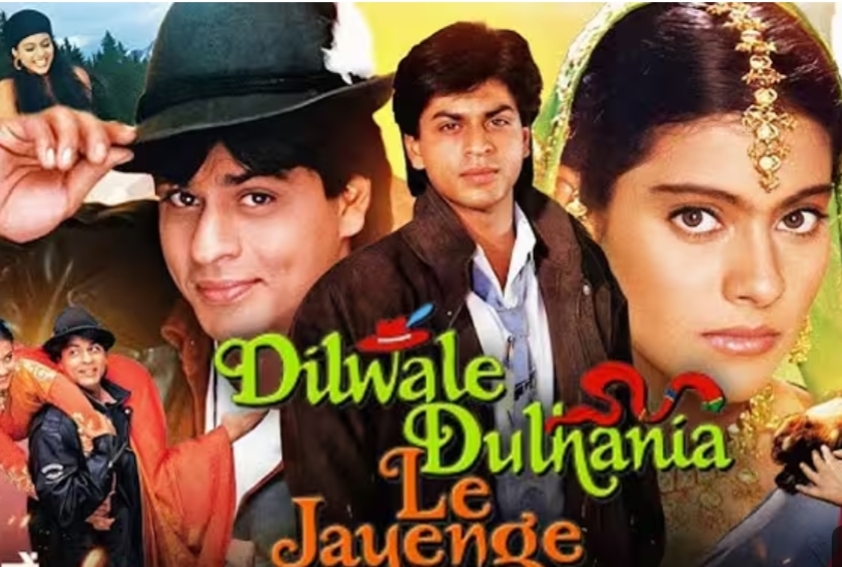
At its core, the narrative follows two young non-resident Indians navigating love amid familial expectations. The protagonist, a spirited young man, meets a dutiful woman during a European adventure, leading to a romance that tests traditions back in India. Rather than defying authority through elopement, the story emphasizes earning parental blessings, a theme that struck a chord with audiences grappling with modernity and heritage.
The film’s soundtrack, composed by Jatin-Lalit with lyrics by Anand Bakshi, sold millions of copies and featured enduring hits like “Tujhe Dekha To” and “Mehndi Laga Ke Rakhna,” which became staples at weddings across South Asia.
Costumes by Manish Malhotra highlighted the characters’ dual identities, mixing Western flair with Indian elegance.
Awards and Accolades
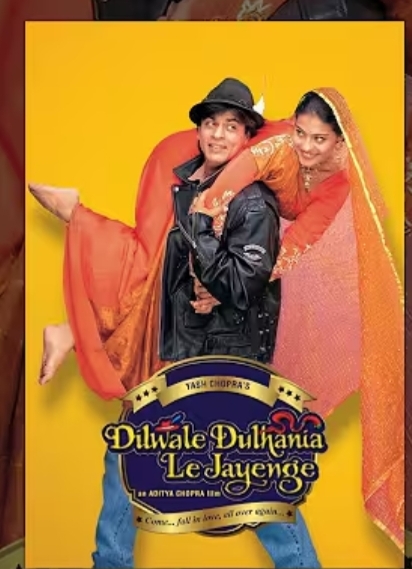
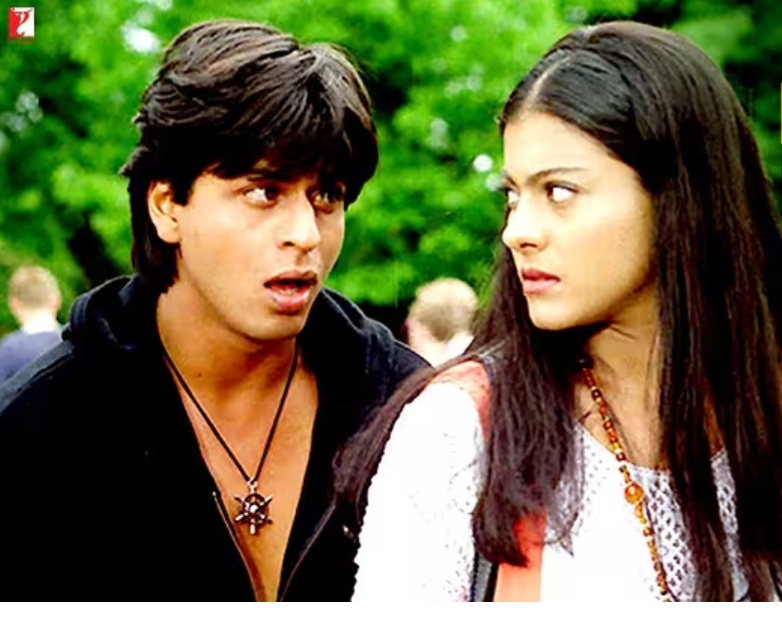

The movie swept the 41st Filmfare Awards, clinching 10 trophies—a record at the time—including Best Film, Best Director, Best Actor, and Best Actress. It also earned the National Film Award for Best Popular Film Providing Wholesome Entertainment, affirming its blend of mass appeal and meaningful content. Internationally, it featured in lists like the British Film Institute’s top Indian films and 1001 Movies You Must See Before You Die.
Revolutionizing Romance in Cinema
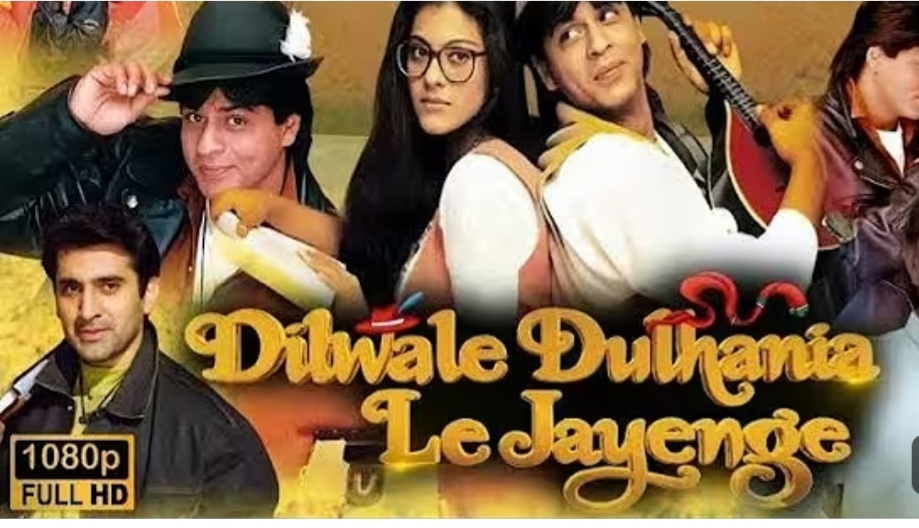
Prior to 1995, Bollywood romances often revolved around class conflicts or rebellious lovers set against purely Indian backdrops. This film shifted the paradigm by centering non-resident Indian protagonists and integrating overseas locales into the plot, not just as scenic diversions. It portrayed the diaspora as upholders of Indian values, reversing earlier stereotypes and tapping into a growing global audience.
This approach inspired a wave of similar productions, such as Pardes (1997), Kabhi Khushi Kabhie Gham (2001), and Kal Ho Naa Ho (2003), which explored love across borders while honoring family ties. The emphasis on “designer” aesthetics—polished visuals and branded elements—became a hallmark of post-1995 blockbusters. Film critic Anupama Chopra described it as a moment when “the cinema gods deem that you create a classic,” highlighting its role in establishing a new romantic blueprint.
“Shah Rukh Khan and Kajol in the memorable mustard fields sequence.”
“RIGHT” “SMALL”
Stars Reflect on a Lasting Legacy
Lead actor Shah Rukh Khan, who solidified his image as the ultimate romantic hero through this role, recently shared, “So many couples meet me and say we got married or fell in love after watching this film. I also feel that it has had such a happy effect on the pop culture of India and South Asians.” His co-star Kajol echoed the sentiment, noting, “The viewers who adored this film at 16 are now watching it with their children, owning it more fiercely with every passing year. It’s become the template of how Indian cinema dreams of love.”
The production elevated careers across the board, from the leads to supporting actors like Amrish Puri and Farida Jalal, and even influenced global pop culture, with references by figures like Barack Obama and Donald Trump.
Plans for a Broadway musical adaptation announced in 2021 further attest to its universal appeal.
In an era of economic liberalization in India, the movie captured aspirations for a global yet rooted identity, making it more than entertainment—it became a cultural mirror. As Bollywood continues to evolve, this 1995 gem remains the gold standard for love stories that honour both heart and heritage.
Hasnain Naqvi is a former member of the history faculty at St. Xavier’s College, Mumbai
All picture’s credit social media

~Hasnain Naqvi is a former member of the history faculty at St. Xavier’s College, Mumbai….
The opinions expressed here are solely those of the author.

