

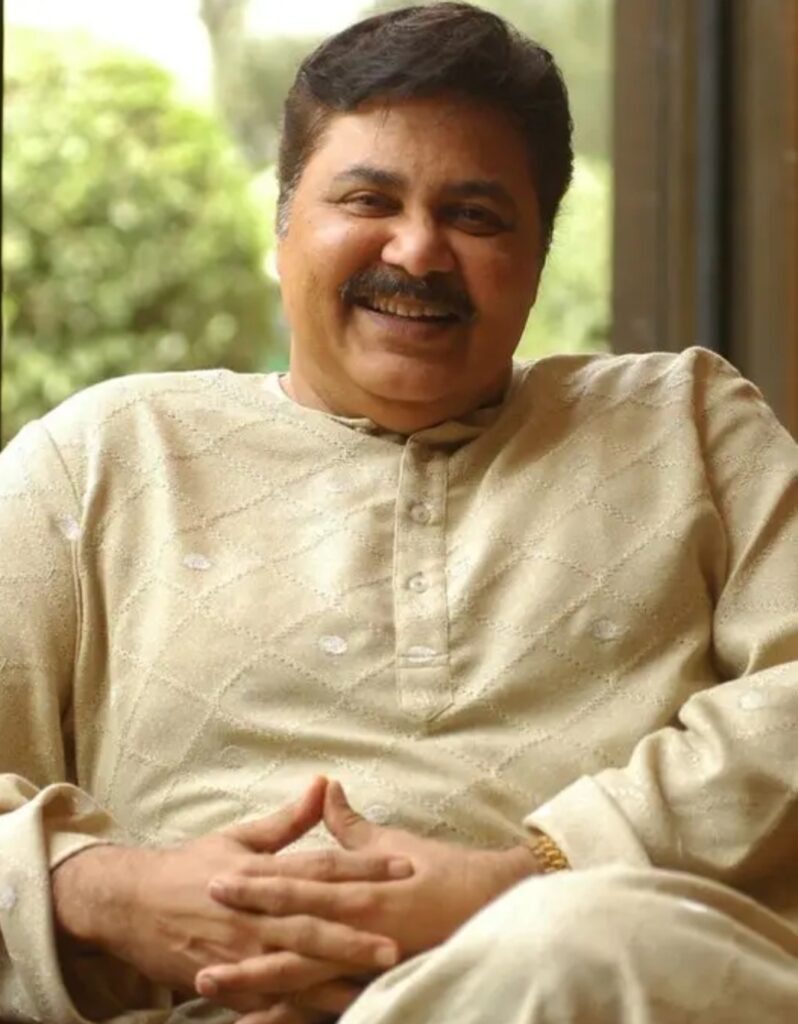
Satish Shah: A Maestro of Laughter Bids Farewell💐💐💐💐💐
The Final Act
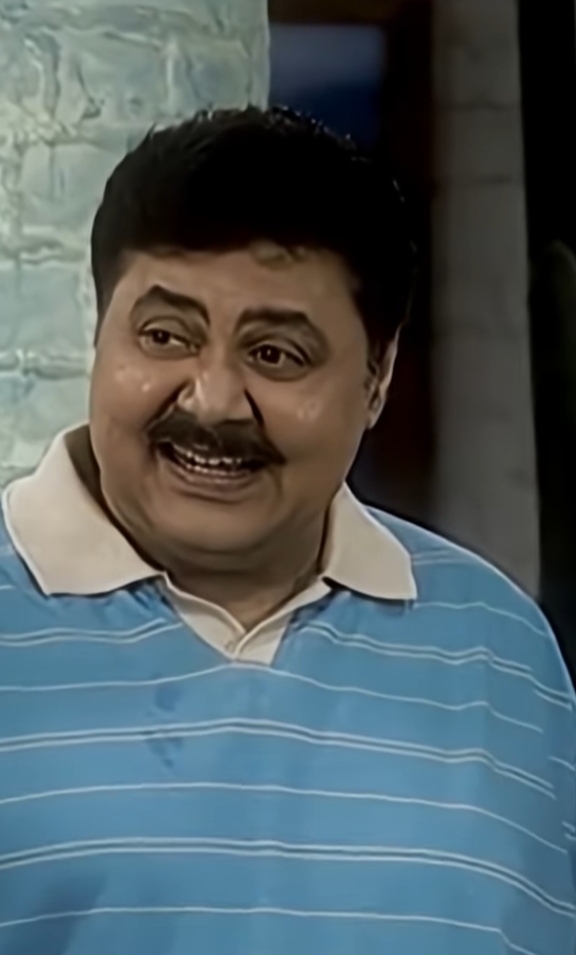
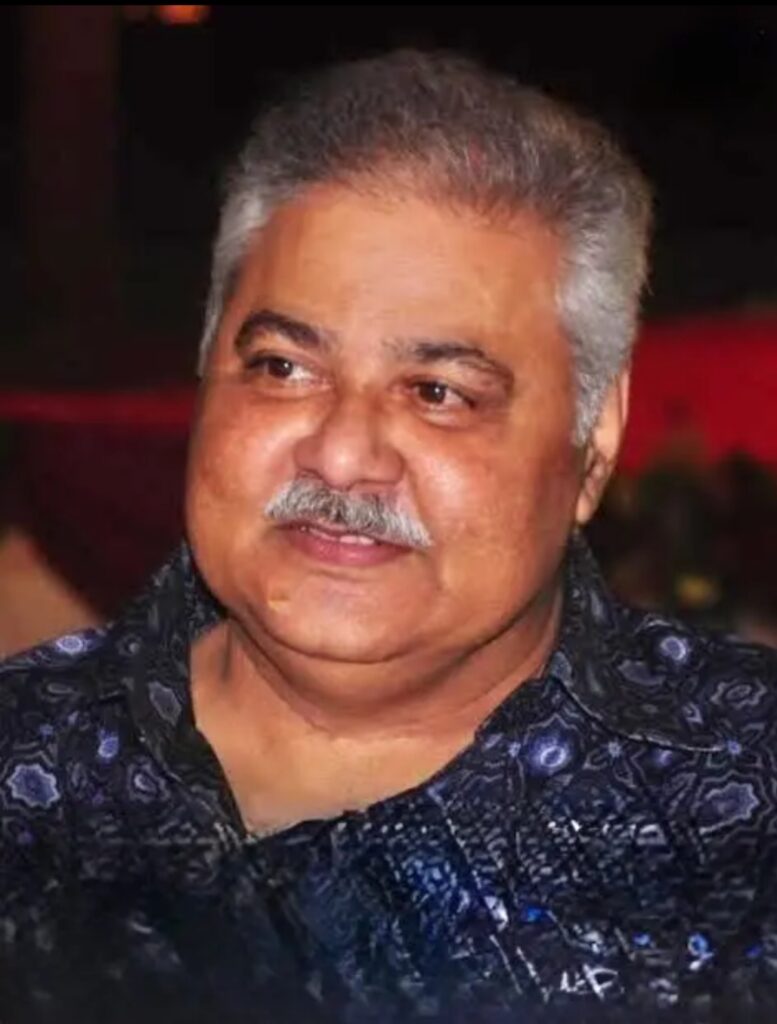
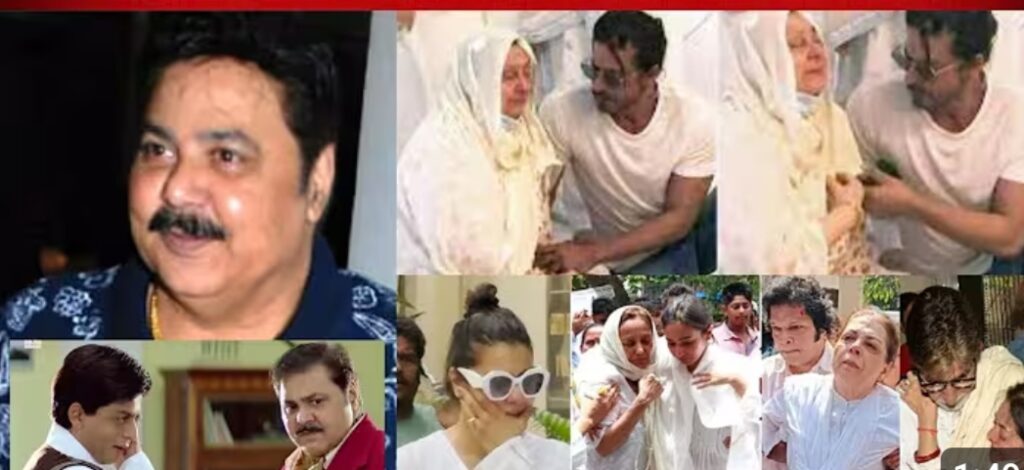
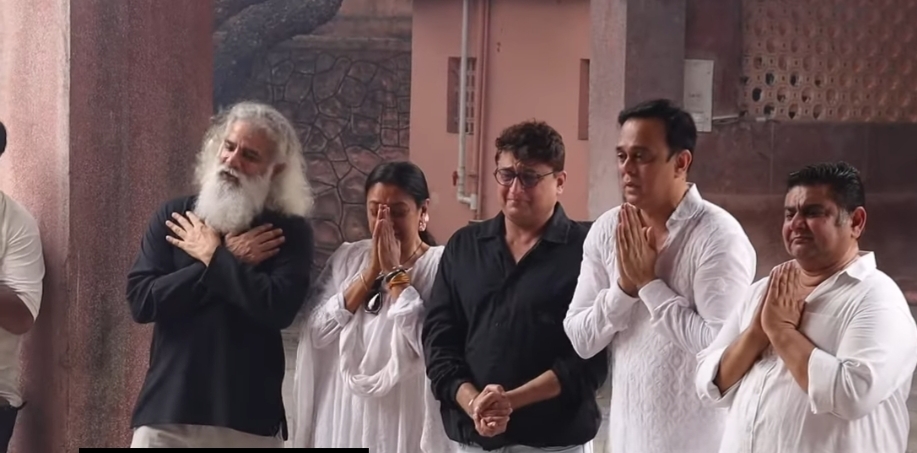
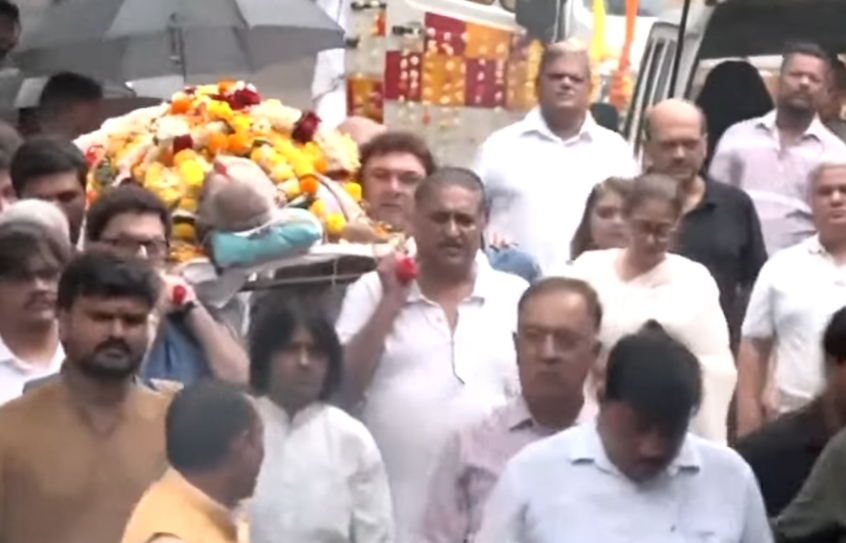
On 25 October 2025, the lights dimmed on a luminous chapter of Indian entertainment as veteran actor-comedian Satish Shah, aged 74, passed away after succumbing to kidney complications. His departure has left a void not just in the hearts of his legion of fans, but also in the corridors of Indian cinema and television, where his versatile artistry reigned supreme.
A Humble Beginning, A Grand Journey
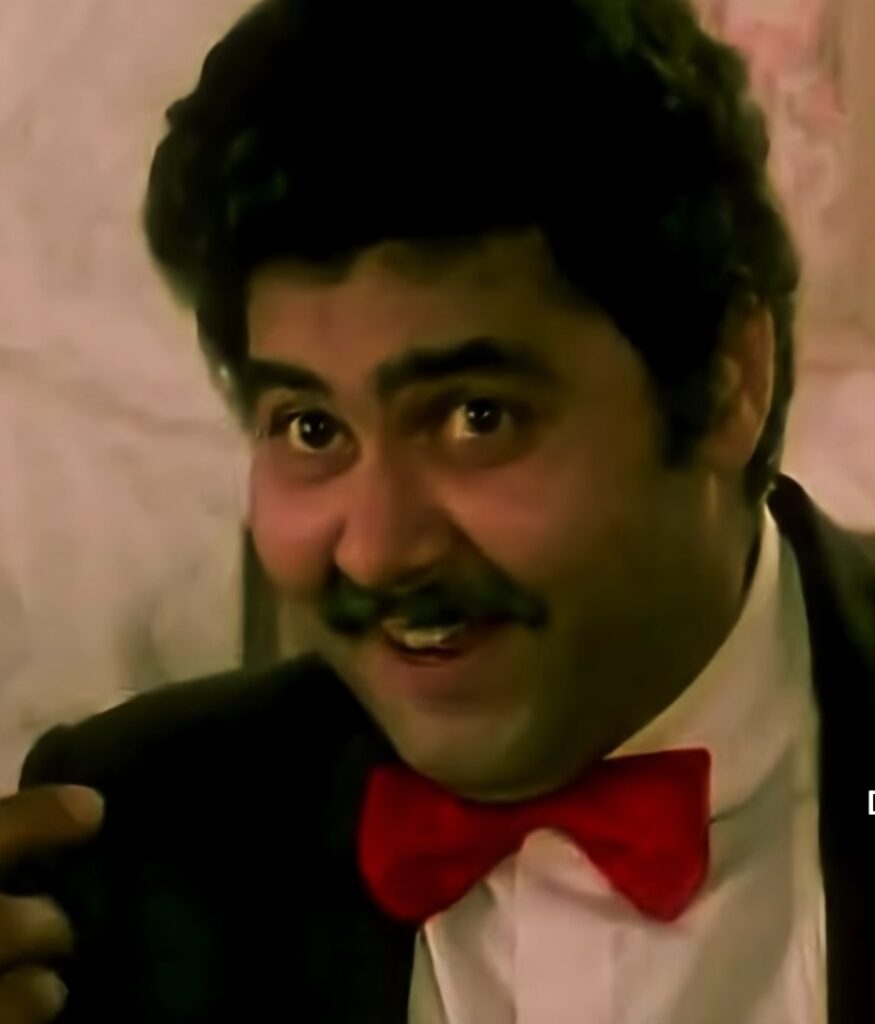
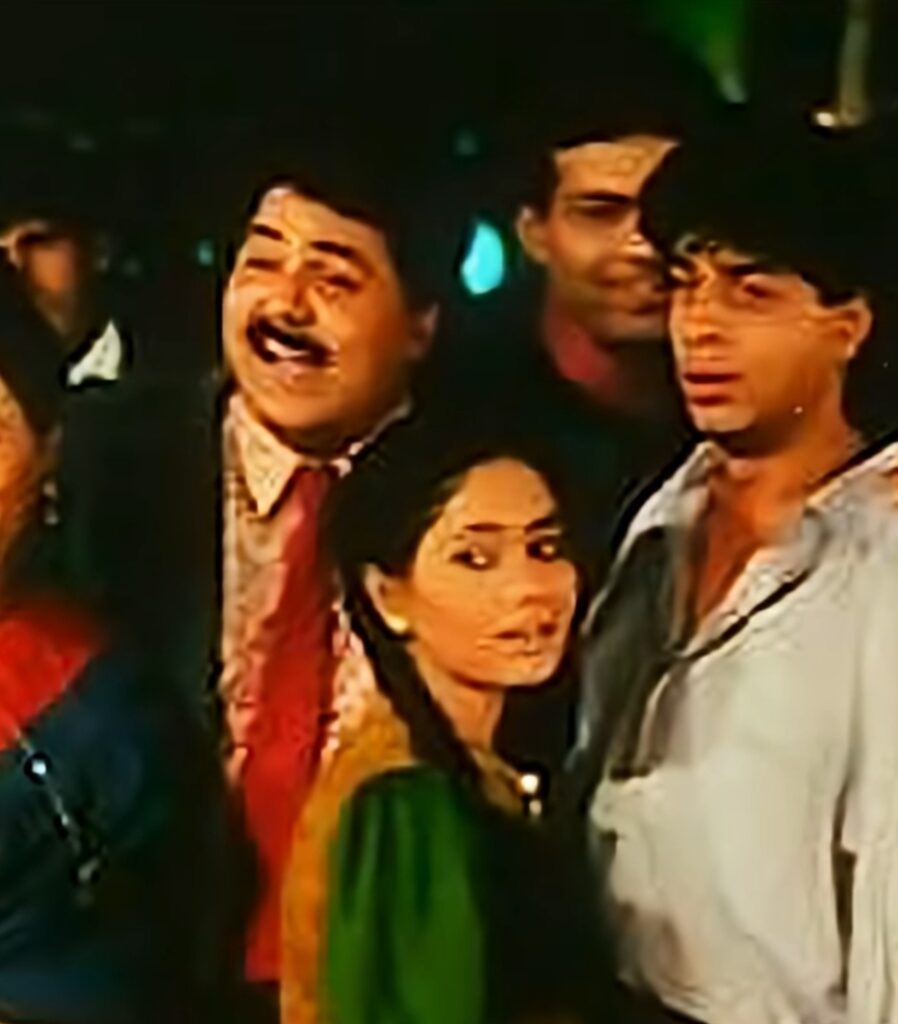
Born on 25 June 1951 in Mumbai, Shah belonged to a Gujarati family and embarked on his acting journey in the 1970s after graduating from Mumbai’s St. Xavier’s College and later trained at the prestigious Film and Television Institute, Pune. What followed was a career spanning nearly five decades, marked by a rare blend of comic timing, character-work and improvisational ease. From playing 55 different roles in the sitcom Yeh Jo Hai Zindagi early in his career to bringing alive the inimitable Indravadan Sarabhai in the cult show Sarabhai vs Sarabhai, he proved that comedy is not merely about jokes—it’s about nuance, rhythm and connection.
The Comic Alchemist
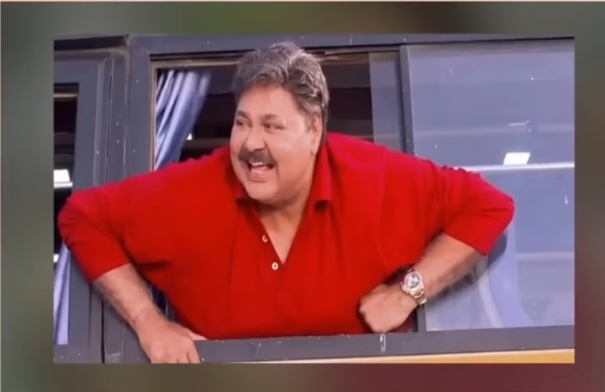
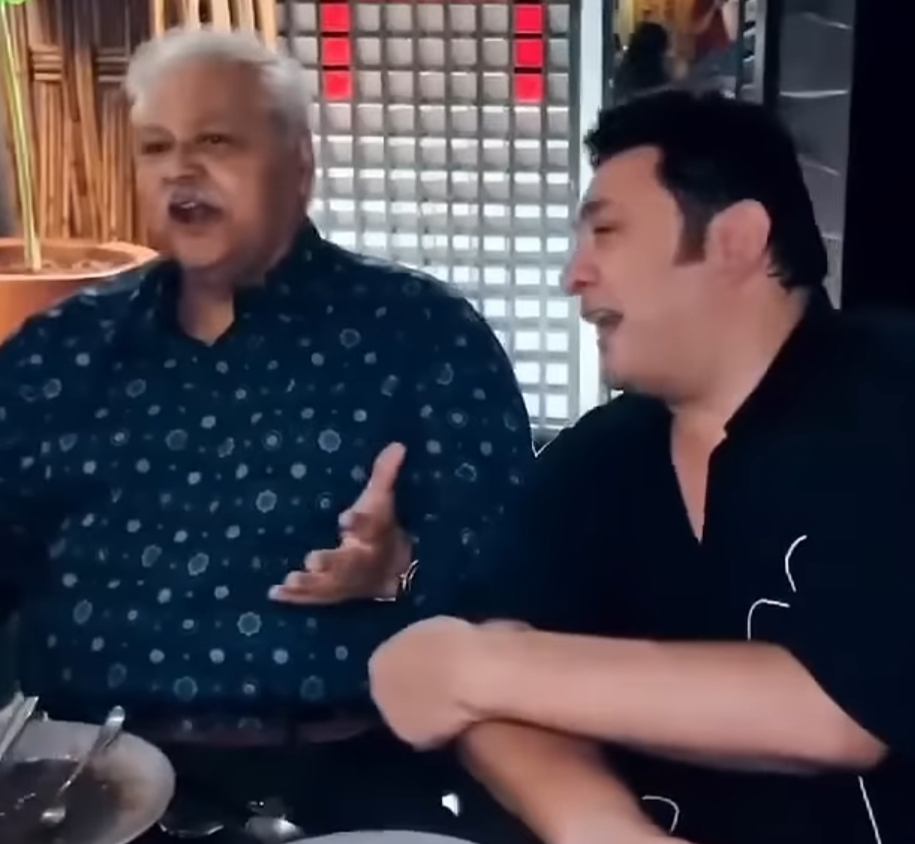
Shah’s craft lay in turning the everyday into something charmingly absurd. He was the bureaucrat D’Mello in the satire Jaane Bhi Do Yaaro, the spit-cobra-spouting professor in Main Hoon Na and adeptly embraced cameo and character parts across blockbusters such as Kal Ho Naa Ho, Om Shanti Om and Fanaa.  His ability to vanish into the role, yet invite affection and laughter, made him a rare talent—one who could carry a comic sequence with the same gravity as he could underplay a scene with subtle wit.
Television’s Gentle Maverick
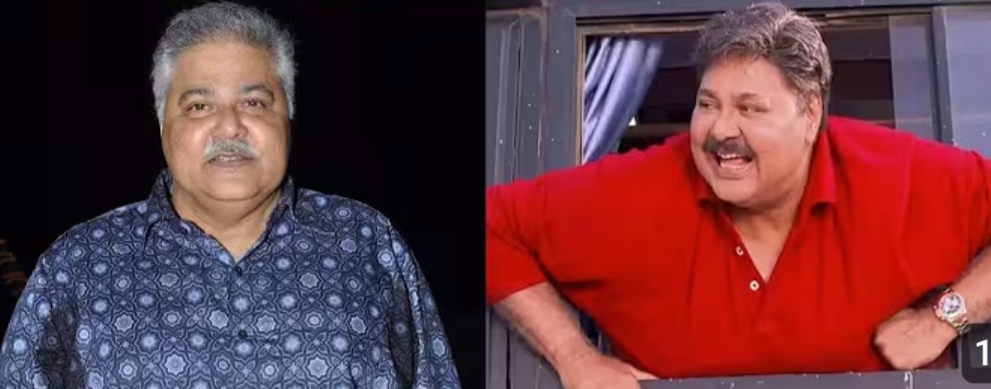
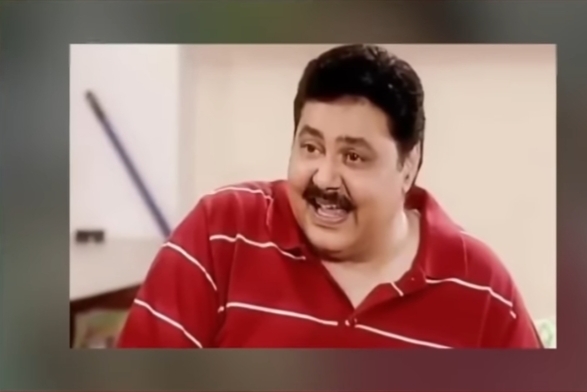
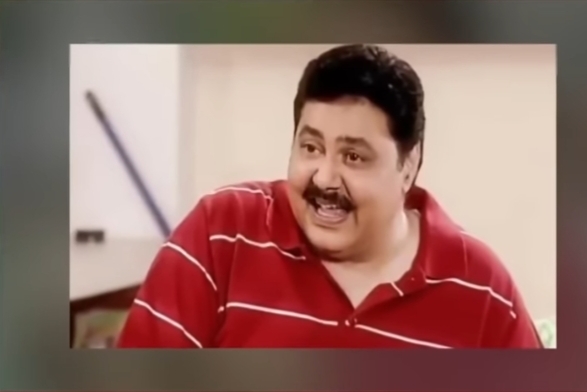
For many, it was television that cemented Shah’s place in the cultural memory. In Sarabhai vs Sarabhai, his portrayal of the pompous yet loveable Indravadan resonated across generations, tapping into the rhythms of middle-class Mumbai life with a sharp but warm comedic lens. He made characters memorable not by excess, but by grounding them in truth—whether in a family squabble or a social riff. His presence on screen meant one was in the company of someone who understood laughter as belonging to everyone.
Beyond the Laughs – Depth & Discipline
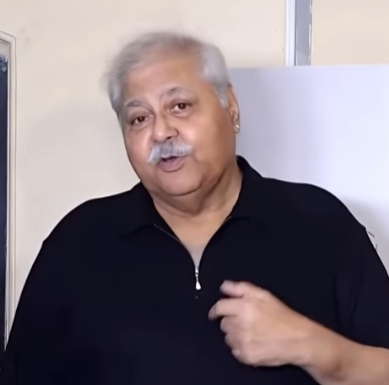
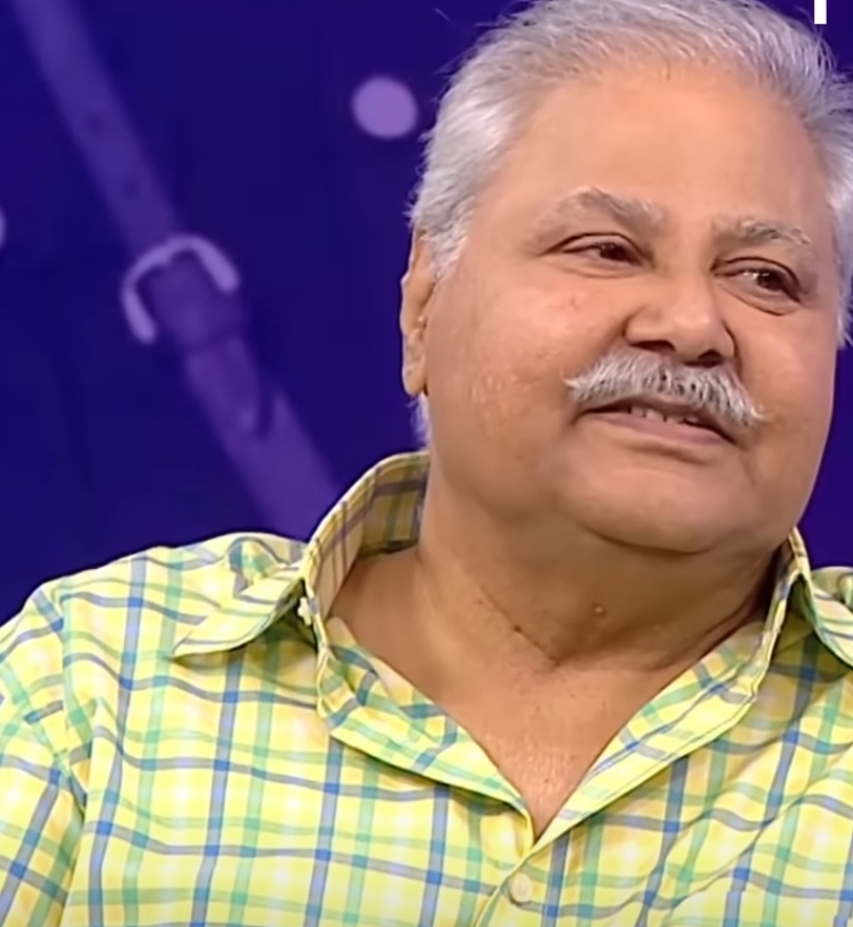
Under the façade of fun, Shah was a disciplined craftsman. He was once appointed to the society of the Film and Television Institute of India (FTII), underlining his commitment to the art rather than just the amusement.  He did not linger in the spotlight for ego’s sake—he wandered, tried, embraced cameo work, character turns and mainstream cinema with equal zest. In doing so, Shah demonstrated that longevity in entertainment is forged as much by humility as by talent.
The Many Faces
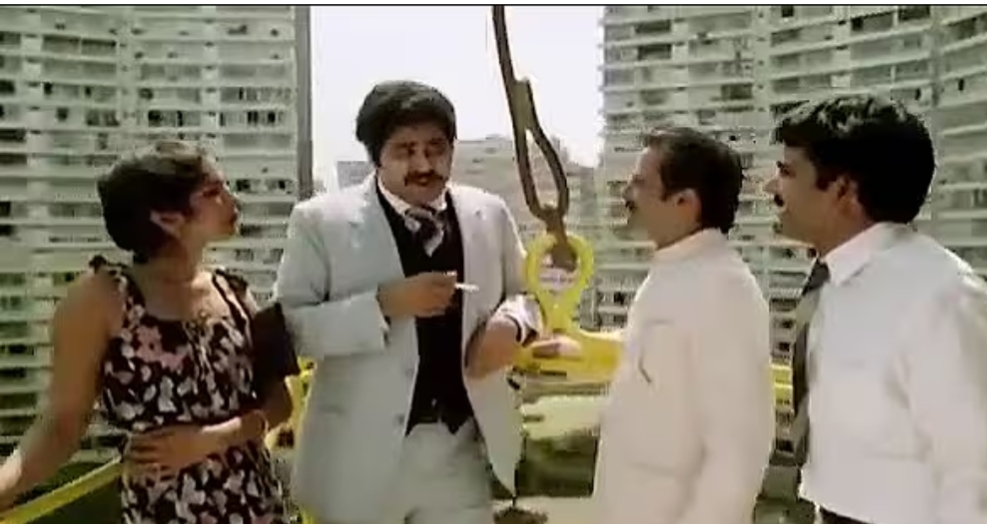
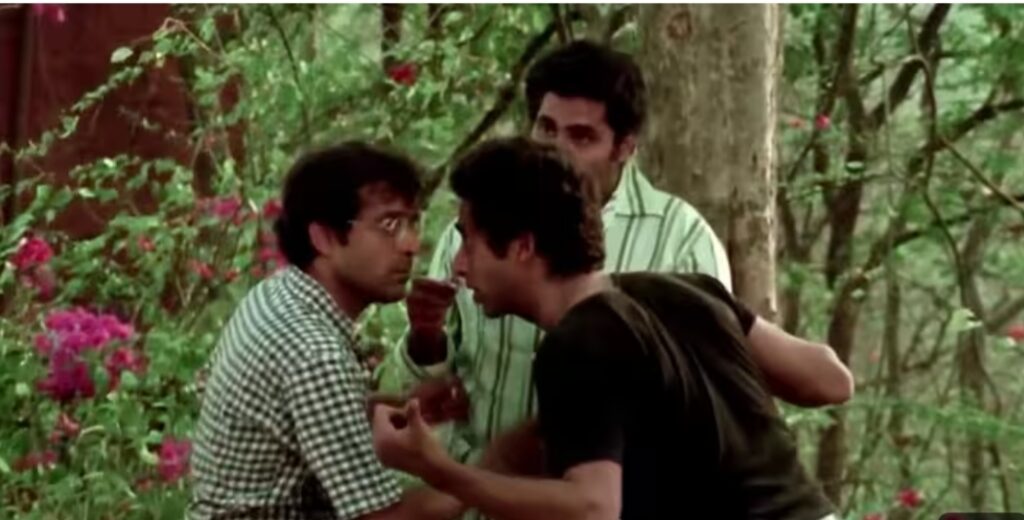
To recall some of his unforgettable moments:
•That bureaucrat declaring “Nothing to do with the ministry” in Jaane Bhi Do Yaaro, a satirical gem of Indian cinema.
•The father-figure with misplaced airs in Sarabhai vs Sarabhai, whose comic timing and absurd logic became catchphrases for a generation.
•A cameo in a blockbuster that would be forgotten if not for his sparkling one-liner or unexpected expression.
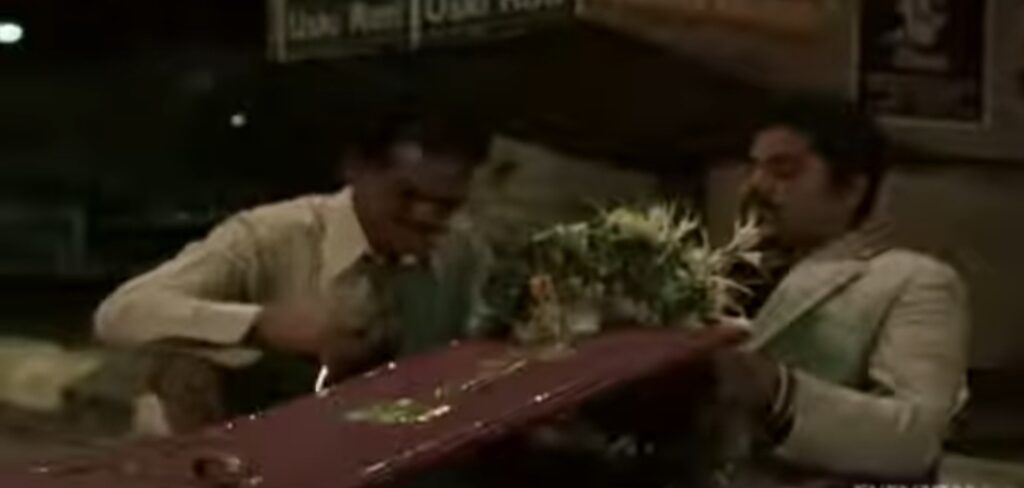
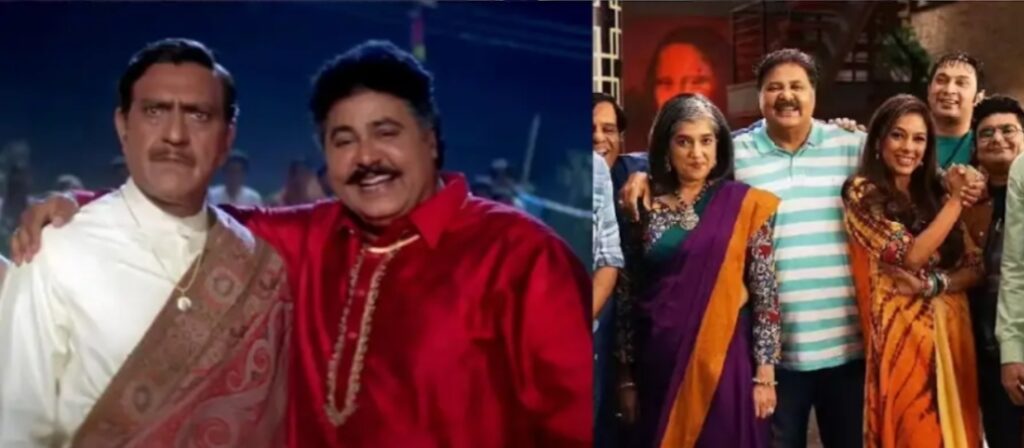
These roles, varied and frequent, reflect the impulse of an actor who refused to be confined to one mode. He treated his craft as a playground—and we were privileged spectators.
A Farewell Too Soon
His death was sudden but not entirely unexpected. Shah had been battling kidney-related problems and had undergone a transplant earlier. On the day he passed, medical teams rushed to his residence in Mumbai and commenced CPR in an ambulance, but could not revive him. The industry mourned: fellow actors and makers remembered him as “a man full of life and humour”. 
Legacy of Laughter and Love
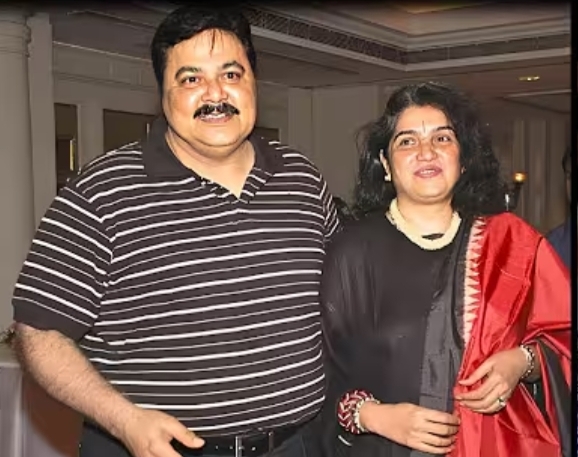
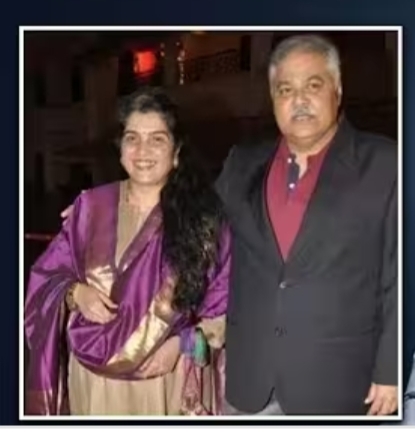
What stands out most in Shah’s legacy is not just the laughter, but how he connected to the ordinary viewer and the industry peer alike. Behind the jokes and the gags, he remained approachable, generous and quietly magnetic. Emerging actors found in him a mentor of light and wit; audiences found in his characters a piece of themselves.
It is rare in the entertainment world for someone to remain effortlessly present across decades. Shah did that. From the experimental 1980s to the blockbuster 2000s and into the streaming-era television fondly watched by millennials and Gen Z, his presence never seemed forced. He adapted, evolved and yet remained unmistakably himself.
A Tribute to the Man, Not Just the Persona
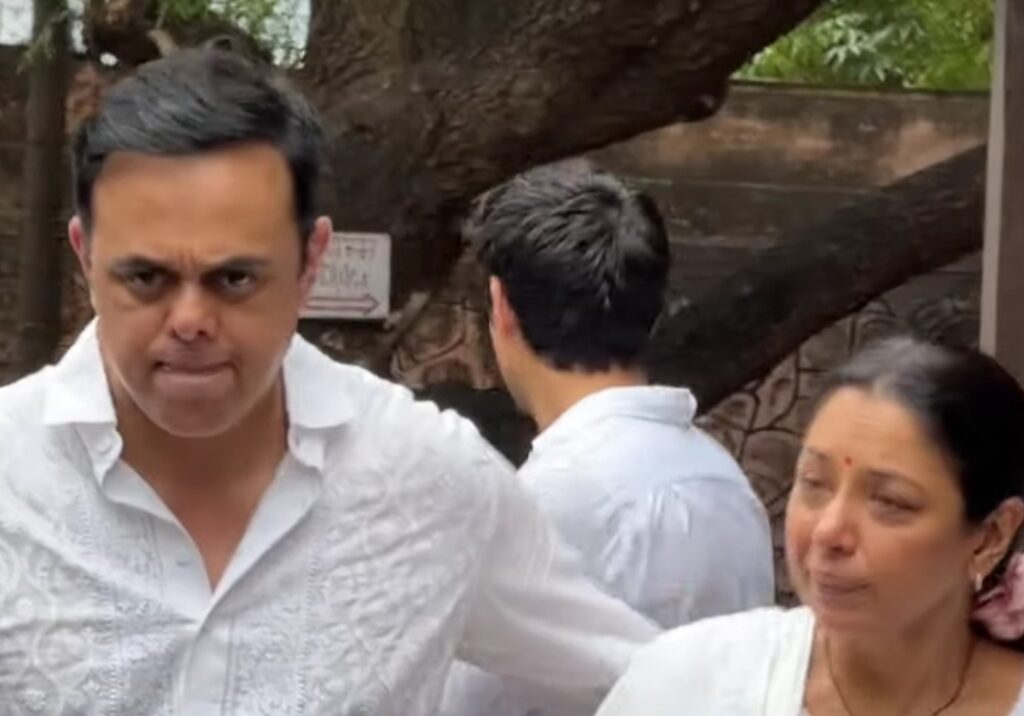

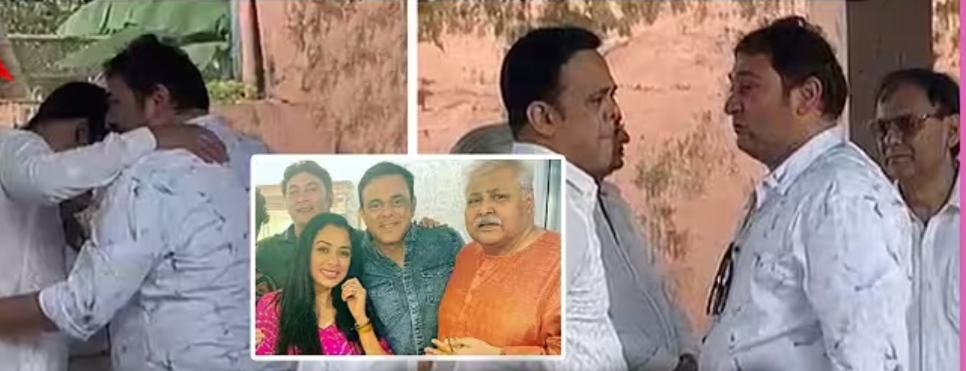
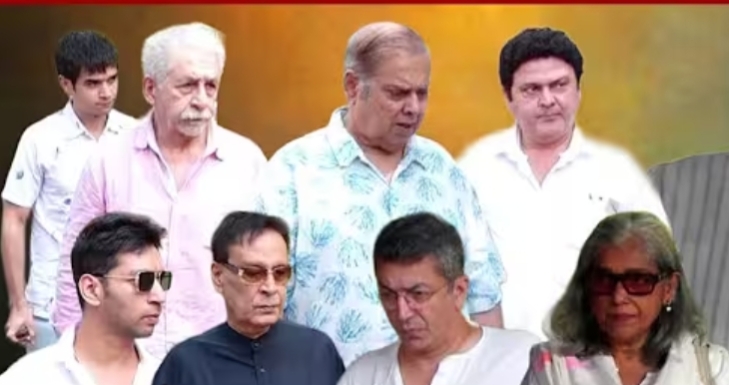

Today we remember Satish Shah not just as a comedian, but as a storyteller of the everyday—someone who took the quirks of families and friends and turned them into scenes of comic gold. He turned silence into humour, incidental pauses into punchlines. He made us laugh, yes—but also think and feel.
As his characters settle into cultural memory, perhaps the most fitting tribute is to remember him in the simple act of laughter. When someone smirks at a line pulled out of thin air; when a conversation echoes one of his pauses or expressions; when we recognise in ourselves a bit of Indravadan, or D’Mello, or that professor who took spitting cobras seriously. Then we will know: Satish Shah lives on.
Curtain Call
In the world of laughter, one can hope that the stage is limitless, that the jokes are endless and the audience forever curious. Farewell, Satish Shah. Your final scene may have played out, but the echoes of your grin, your timing, your humanity will linger on. For as long as a family argues happily, a sitcom re-runs, a film lights up a living room—your presence remains.
Hasnain Naqvi is a former member of the history faculty at St. Xavier’s College, Mumbai

~Hasnain Naqvi is a former member of the history faculty at St. Xavier’s College, Mumbai….
The opinions expressed here are solely those of the author.