
New Delhi, November 12:The Bihar Assembly elections have concluded with a record-breaking voter turnout, marking a new chapter in the state’s electoral history. According to figures released by the Press Information Bureau on Tuesday, the overall turnout stood at 66.91%, the highest since the first assembly polls held in 1951.
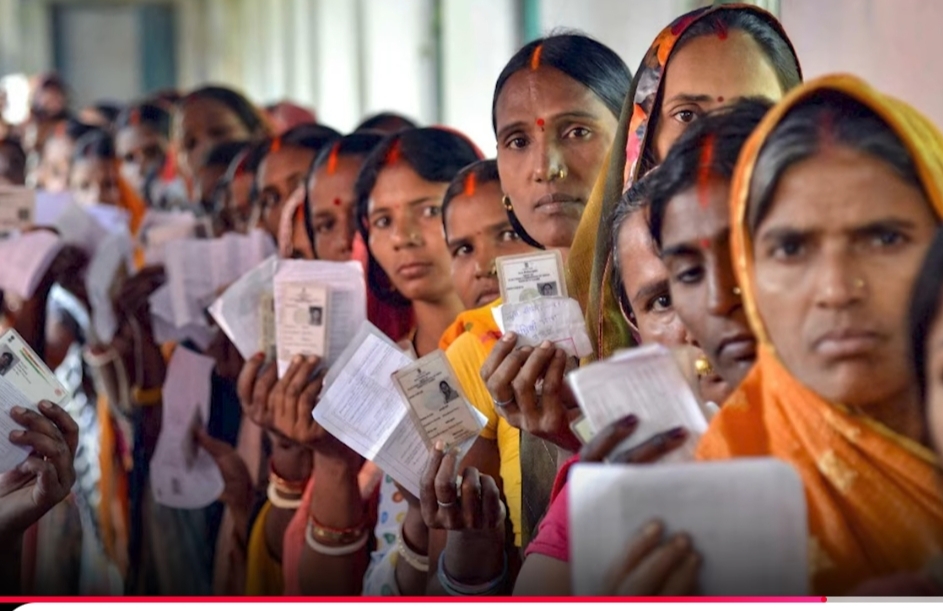
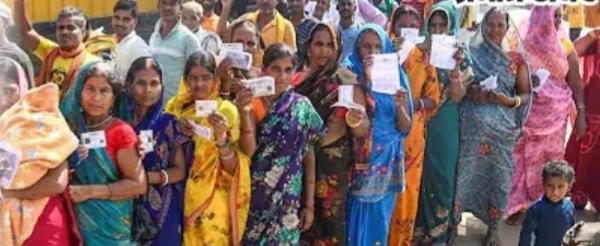
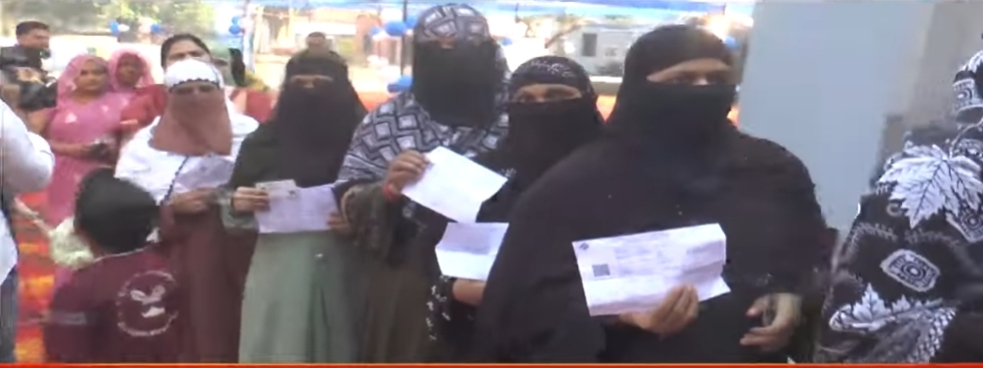
What makes this year’s election truly historic is the overwhelming participation of women voters, who turned out in significantly higher proportions than men across both phases of polling. Female voter turnout touched an unprecedented 71.6%, far surpassing the male turnout of 62.8%. The figures highlight a remarkable shift in Bihar’s socio-political landscape, long perceived as male-dominated in terms of political engagement.
In numerical terms, a total of 7,45,26,858 votes were cast in the state. Of these, 3,93,79,366 were male voters and 3,41,45,791 were female voters. While the actual number of male votes remained higher, the enthusiasm among women—reflected in the higher turnout percentage—underscored their increasing assertiveness in shaping the political discourse of the state.
Female participation was particularly striking in both phases of polling. In Phase I, women registered a turnout of 69.04% compared to 61.54% among men, while in Phase II, women’s turnout climbed even higher to 74.03%, against 64.1% among their male counterparts. Election observers described this as a watershed moment for gender participation in Indian democracy, especially in a state like Bihar where women’s political mobilization has historically been a slow process.
Chief Election Commissioner Gyanesh Kumar, along with Election Commissioners Dr. Sukhbir Singh Sandhu and Dr. Vivek Joshi, closely monitored the polling process from the control centre of the Election Commission of India in New Delhi. The elections were supervised through an extensive webcasting network covering all 45,399 polling stations during the second phase.
The smooth conduct of the polls was made possible through an elaborate election machinery comprising more than 8.5 lakh polling personnel, around 1.4 lakh polling agents representing 2,616 candidates, and a robust monitoring team that included 243 General Observers, 38 Police Observers, and 67 Expenditure Observers.
The record female turnout has drawn attention from across the political spectrum. Analysts say the high level of women’s participation could significantly influence post-election dynamics, particularly in rural constituencies where women voters have often shown distinct preferences shaped by issues of welfare, employment, education, and safety.
Observers see this surge as a strong indication of Bihar’s evolving democratic consciousness—one in which women are not merely participants, but active agents of change redefining the contours of state politics.



We are a multimedia news network. Website : www.7xnews.com
Based in New Delhi (India) Youtube : umakantlakheraspeaks@gmail.com