
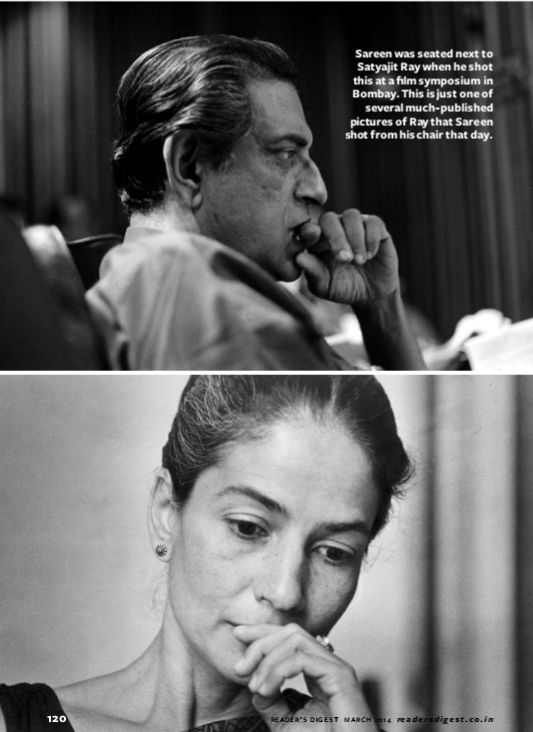
Zooming in on Satyajit Ray: A Rare, Defining Moment
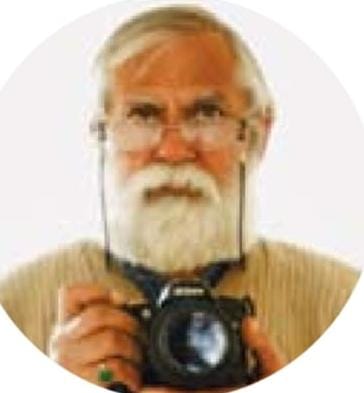
Photo -journalist Narendra Kumar Sareen never quite fit the mould of a routine assignments man. Even in his early days, field jobs bored him. He yearned for something deeper—frames shaped by instinct, light, and artistic impulse rather than newsroom diktats. Creativity, not deadlines, drove him.
————————
So when a source whispered that Satyajit Ray would be attending a movie symposium in Bombay (now Mumbai) in July 1978, Sareen didn’t think twice. He boarded a train from New Delhi, his 35-mm camera slung over his shoulder, chasing a dream he had nurtured for years: to photograph India’s most celebrated filmmaker.
The Elusive Ray
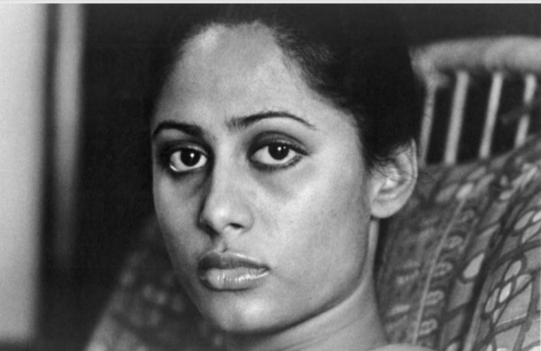
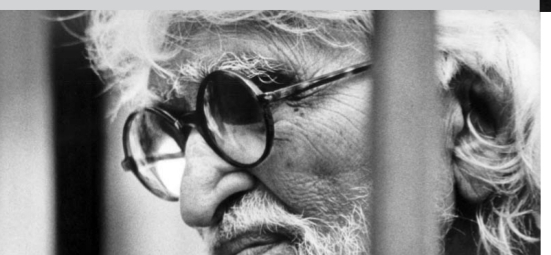
Stepping into the auditorium, Sareen was hit by a wave of worry. There were no TV cameras—this was the pre-television era—and only one other photographer hired by the organisers. Yet Ray was nowhere to be seen.
What if the great man didn’t arrive? Sareen mentally began framing the shots he had imagined for so long—Ray’s towering presence under soft, directional light, his contemplative face against the auditorium’s muted background. But the subject wasn’t in sight.
Hovering near the stage, Sareen was shooed away by irritated members of the audience. When he tried changing positions, he was reprimanded again for blocking their view. Frustrated and running out of time, he finally sank into one of the only two empty chairs left—front row, centre. If nothing else, he told himself, he would at least get a few decent photographs when Ray took the stage for his speech.
He refused to return to Delhi empty-handed.
A Twist of Fate
Then it happened.
Moments later, a tall, bespectacled figure slipped into the seat beside him. Sareen froze.
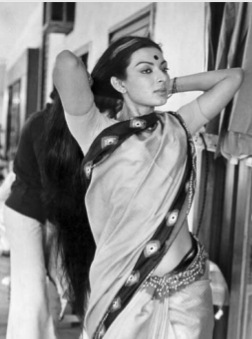
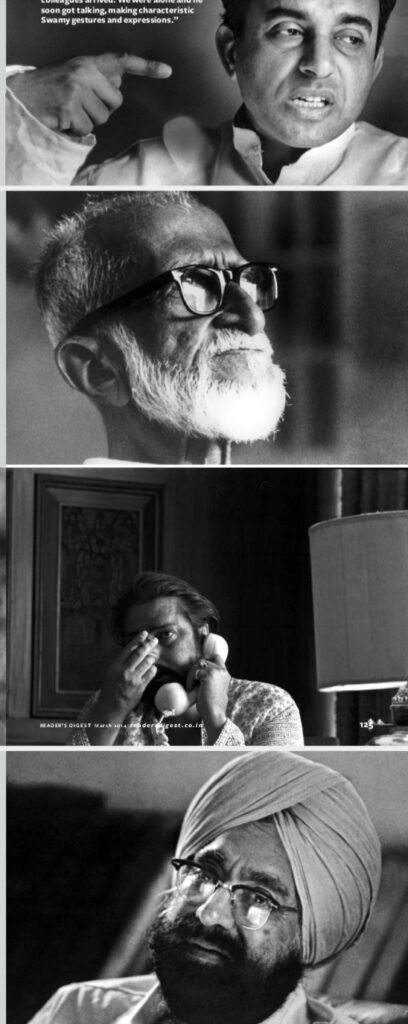
It was Ray.
Without a word, he quietly changed his lens, his fingers trembling but trained. The next few seconds were electric—Ray, unaware and absorbed in the proceedings; Sareen, clicking with the silent precision of a hunter who has finally cornered his elusive prey.
Those shots—intimate, iconic, almost serendipitous—would go on to become the most published portraits of Satyajit Ray in India. A moment of chance, met with a photographer’s readiness. Another job, as he would later put it lightly, “well done.”
Wordless Portraiture
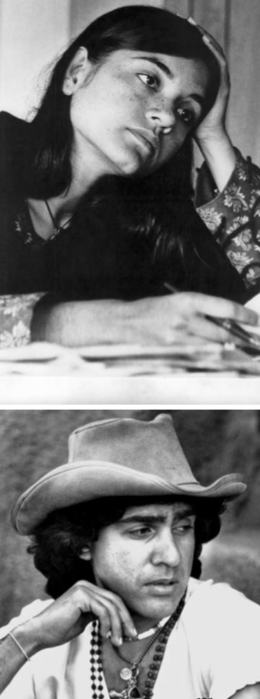
“Every picture of yours is worth a thousand words,” I told him recently in New Delhi, as we sat flipping through his portraits on a computer screen.
“You may say so,” he said, smiling. “But I like to obtain them without saying a single word. I wish I could be invisible while shooting. It’s hard to photograph people once they put on their masks.”
Ray, he believes, was so engrossed in the symposium that he never noticed him. “And even if he did,” Sareen chuckled, “someone like him would have known he had to let me do my job.”
The Artist Behind the Camera
Sareen didn’t begin as a photographer. He was an art student, fascinated by Rembrandt and the play of light and shadow that defined the Dutch master’s work. He dreamt of painting like Rembrandt until a humble Agfa Click III changed his life forever.
His first portraits—of a 16-year-old girl, “a pretty sister of a friend”—were published in a Hindi magazine. That small triumph emboldened him to quit art school and take up photography professionally.
Over the years, he worked with leading newsmagazines such as India Today and The Week. Yet Sareen remained temperamentally incompatible with routine journalism. After every assignment, he would stay back or return later to shoot portraits—his true passion. Inevitably, after a few months on staff, he would quit and return to his independent path.
“I wanted to do what I wanted to do,” he said, “and not what editors wanted.”
His portraits, shaped by his instinctive understanding of Rembrandt-inspired lighting, bear testimony to that stubborn artistic independence.
No Retirement in Sight
Sareen turns 70 this month, but the idea of slowing down amuses him.
“Will you now retire?” I asked.
“Why should you or I retire?” he shot back with laughter. “We’re journalists!”
Indeed, every portrait in his vast archive—captured over the past 35 years—has a story behind it. But none perhaps as magical as the afternoon in 1978 when fate placed Satyajit Ray in the empty chair beside him, and a young photographer seized his moment.
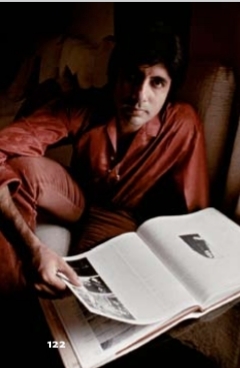
Making every moment monumental in his career—and give India one of its most unforgettable images of a legend.
GIVEN ABOVE SOME OF SARREN’S ARTS WORK
( Ashok Choudhury is an advertising copywriter and freelance writer with a passion for travel and storytelling. He enjoys exploring new places, meeting people, and sharing his experiences through words.)

(Ashok Choudhury is a scholar and freelance writer exploring people, culture, society, and evolving perspectives on contemporary life)