
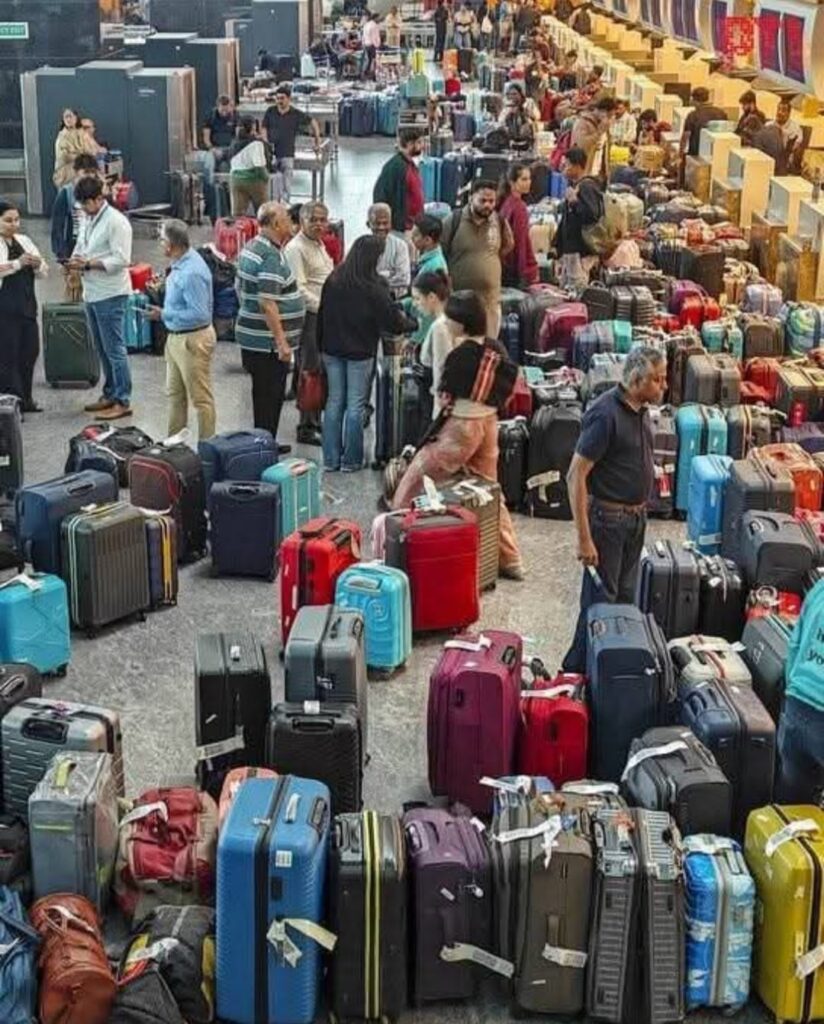
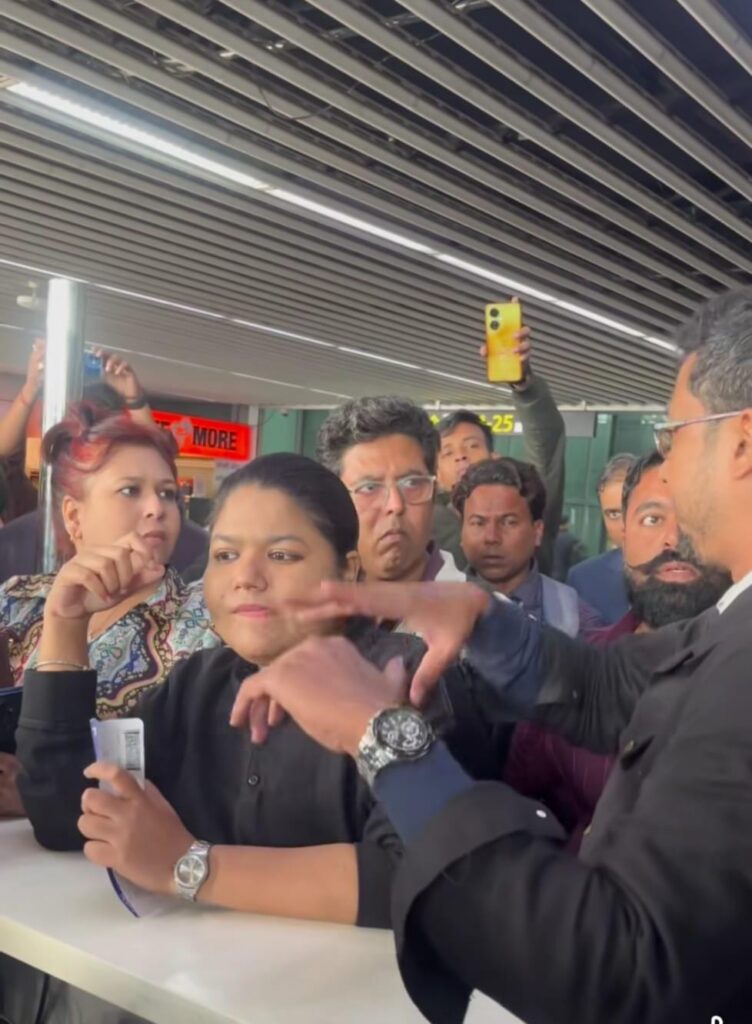
NEW DELHI: The nationwide disruption of IndiGo flights has snowballed into one of the biggest aviation crises in recent memory, but what stands out even more is the absolute vacuum of accountability. As thousands of passengers remain stranded and last-minute cancellations continue to drain wallets, neither the government nor the airline nor the regulator has stepped forward to take ownership of the collapse.
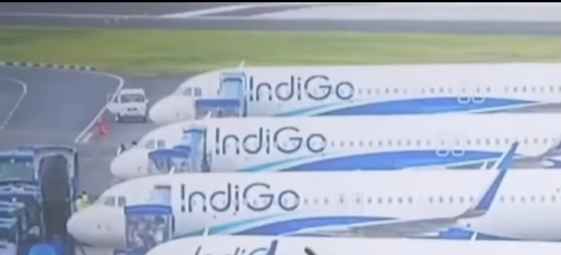
IndiGo—India’s largest carrier handling nearly 60% of domestic traffic has issued routine statements citing “operational challenges,” but these explanations have done little to address the scale of the damage.
The Directorate General of Civil Aviation (DGCA), meanwhile, has maintained a conspicuous silence, avoiding any clear position on who will compensate passengers for the financial losses incurred due to delays, rebookings, and emergency travel expenses.
Opposition voices allege that the turmoil is not just an operational failure but a manufactured crisis designed to soften IndiGo for a corporate handover to the Adani Group, which has rapidly expanded its footprint across airports, training facilities, and aviation services.
The sudden spike in technical snags, crew shortages, and scheduling breakdowns has raised eyebrows, prompting speculation that the chaos may be part of a larger strategic realignment in the aviation sector.
Experts are shocked and question the govt and the DGCA that Why there is no official acknowledgement of such manoeuvring, the timing and scale of the disruptions have fueled suspicions that two of the sector’s biggest power centres—the country’s dominant airline and a politically aligned conglomerate expanding aggressively in aviation infrastructure—are exerting pressure in ways that destabilise the broader ecosystem.
Aviation experts argue that this crisis exposes a deep structural flaw in India’s aviation governance. With one airline monopolising capacity and one corporate group dominating key airport assets, the government has effectively lost the ability to act as a balancing force. In such an environment: policy signals get shaped by corporate rivalry instead of public interest.
Disruptions ripple directly to the public without systemic safeguards.The government’s silence, analysts say, reflects a worrying governance deficit. Rather than stepping in decisively to reassure millions of affected travellers, authorities appear more concerned with avoiding political embarrassment and maintaining fragile sectoral stability.
The biggest loser in this contest is the ordinary citizen. Fare spikes, mass cancellations, last-minute schedule changes, and airport chaos have turned passengers into collateral damage in a corporate tug-of-war. With no clarity on refunds, reimbursements, or protective mechanisms, public confidence in the aviation system has hit a new low.
One of the top aviation experts who worked with indian Air Force for over three decades said that until the government articulates a transparent aviation doctrine and enforces genuine consumer-first regulation, the public will remain unprotected, squeezed between powerful private entities and a State reluctant to confront them .
[Writer is Senior Journalist and Political Commentator]
All picture credit ;social media

Umakant Lakhera is a Senior Journalist and Political Commentator

