


“Hazaron saal Nargis apni be-noori pe roti hai,
Badi mushkil se hota hai chaman mein Didawar paida.”
As Mirza Ghalib’s couplet reminds us, true genius blooms rarely.
On December 24, 2025, we celebrate the 101st birth anniversary of Mohammed Rafi, born in 1924 in Kotla Sultan Singh, Punjab—a voice that transformed Indian music and touched the nation’s soul like no other.
Known as the Shahenshah-e-Tarannum (Emperor of Melody), Rafi’s divine gift united generations through joy, sorrow, devotion, and patriotism. His humility and generosity elevated him to saintly status, making his legacy not just artistic but profoundly human.
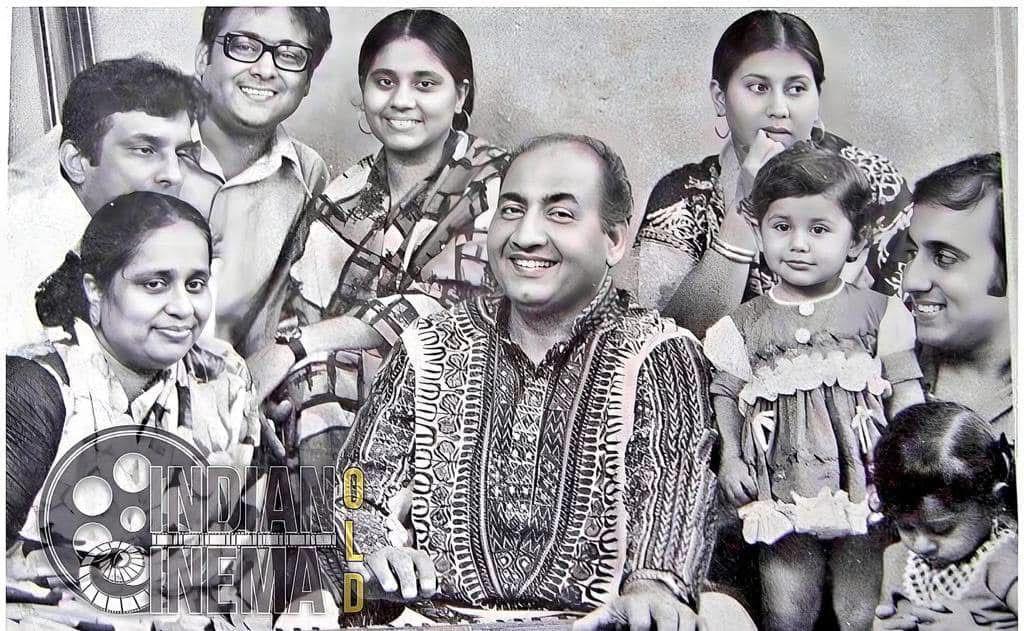
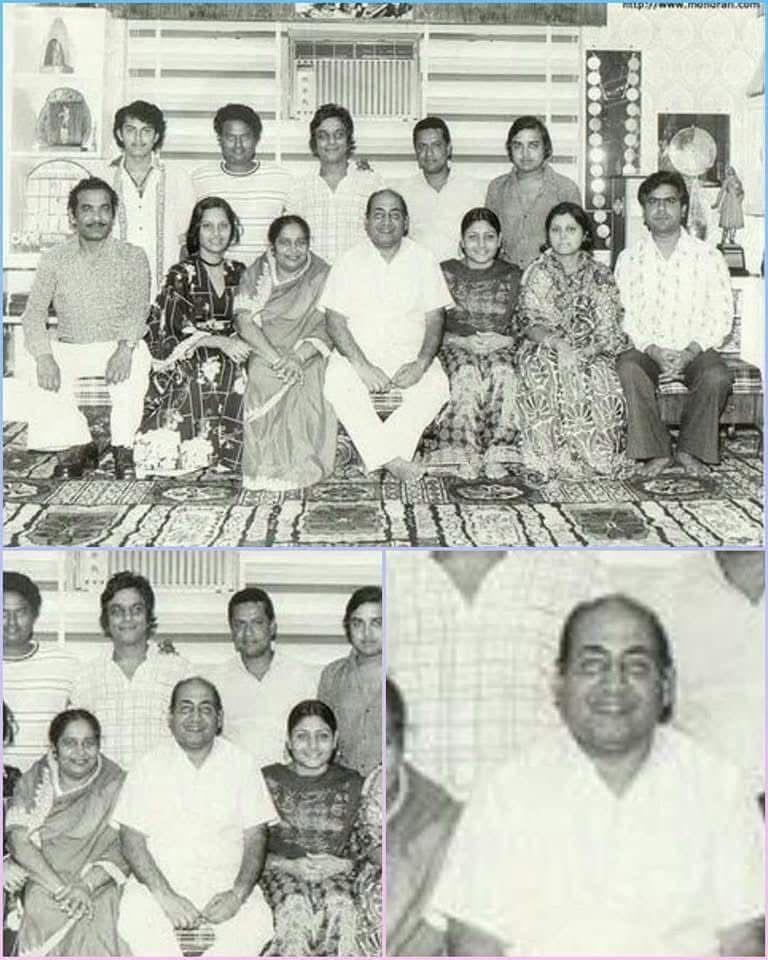
Rafi’s journey began in simplicity. As a child, he mimicked a fakir’s chants in village streets. His family moved to Lahore in 1935, where he trained under masters like Ustad Abdul Wahid Khan. At 13, he performed alongside K.L. Saigal. By 1944, he reached Bombay, debuting with songs for films like Gaon Ki Gori. Collaborations with Naushad, Shankar-Jaikishan, S.D. Burman, and Laxmikant-Pyarelal defined Hindi cinema’s golden era.
His genius shone in adapting seamlessly to actors’ personas—the romantic flair of Dev Anand and Shammi Kapoor, the intensity of Dilip Kumar, the pensiveness of Guru Dutt. Rafi recorded thousands of songs across Hindi and numerous Indian languages, plus foreign ones like English, Persian, Arabic, and Dutch.
He earned six Filmfare Awards, one National Film Award, and the Padma Shri in 1967.
Rafi mastered every genre, making the impossible seem effortless.
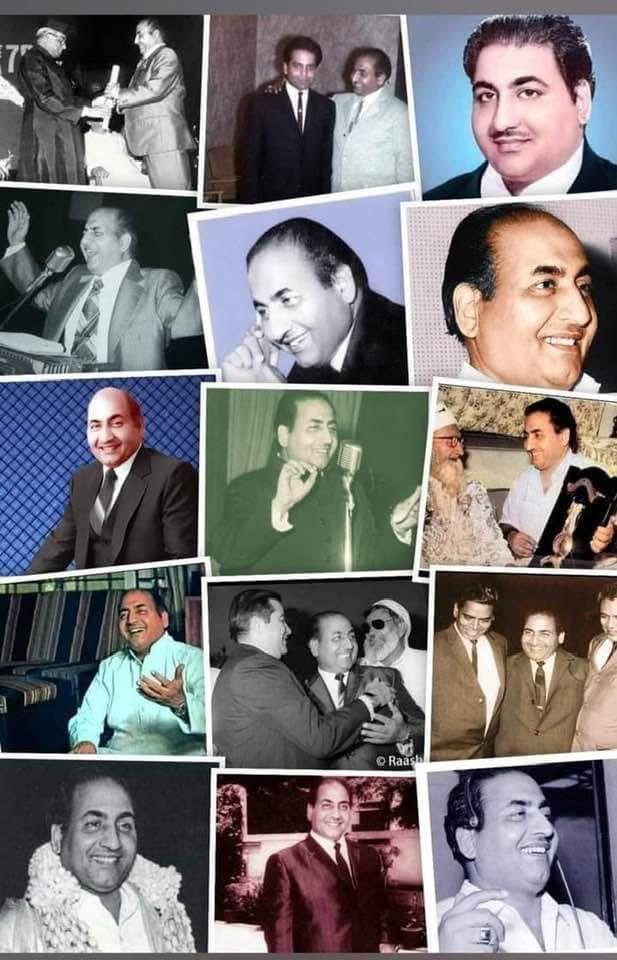
•Devotional bhajans carried divine purity, as in “Man Tadpat Hari Darshan Ko Aaye” (Baiju Bawra) and “O Duniya Ke Rakhwale.”
•Ghazals evoked profound longing, like “Chaudhvin Ka Chand Ho.”
•Qawwalis burst with energy in “Parda Hai Parda” (Amar Akbar Anthony).
•Sad solos captured heartbreak in “Din Dhal Jaye” (Guide) and “Kabhi Khud Pe Kabhi Haalat Pe Rona Aaya.”
•Romantic ballads serenaded lovers with “Ehsaan Tera Hoga Mujh Par,” “Baharon Phool Barsao,” and “Yeh Reshmi Zulfen” (a duet with Lata Mangeshkar).
•Classical gems showcased training in “Man Re Tu Kahe Na Dheer Dhare” (Chitralekha).
•Patriotic anthems stirred the soul, from “Kar Chale Hum Fida” (Haqiqat) to the poignant tribute after Mahatma Gandhi’s assassination, “Suno Suno Ae Duniyawalon,” which earned him a silver medal from Jawaharlal Nehru.
•Even light-hearted tracks, like “Aasman Se Aaya Farishta,” sparkled with playfulness.
Rafi’s voice transcended boundaries, bridging faiths, regions, and eras. In an industry rife with egos, he remained humble—deeply religious, quietly charitable, and shunning spotlight. Peers revered him: Lata Mangeshkar called his voice a divine blessing; Naushad termed it “the voice of the soul.”
Tragedy struck on July 31, 1980, when Rafi suffered a heart attack at age 55, hours after recording his final song, “Shaam Phir Kyun Udaas Hai Dost.” Over 10,000 mourners joined his funeral procession amid torrential rain, and the government declared two days of national mourning.
Yet his music endures—in homes, cafes, concerts, and young discoveries.
Posthumously named Singer of the Millennium in 2001 and topping polls as Hindi cinema’s greatest voice, Rafi’s songs remain living memories of India’s dreams.
On this 101st anniversary, fans renew calls for the Bharat Ratna, India’s highest civilian honour, to recognise his monumental contributions. His voice symbolised the nation’s artistic and secular soul.
“Woh jab yaad aaye, bahut yaad aaye…”
Mohammed Rafi lives on—not merely remembered, but relived in every melody that stirs the heart. Salutations to the eternal Shahenshah-e-Tarannum.
~Hasnain Naqvi is a former member of the history faculty at St. Xavier’s College, Mumbai .

~Hasnain Naqvi is a former member of the history faculty at St. Xavier’s College, Mumbai….
The opinions expressed here are solely those of the author.