
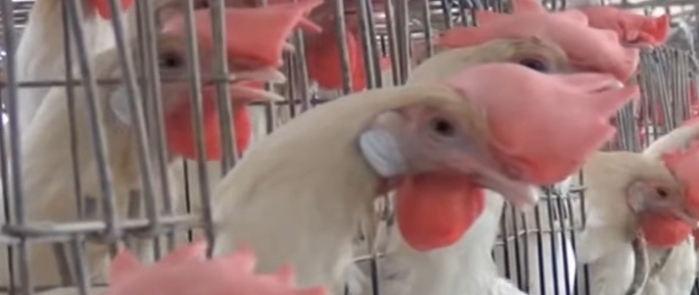

NEW DELHI: Cases of bird flu (avian influenza) have been reported in parts of Kerala, including Alappuzha and Kottayam. The rise in cases has led authorities in Tamil Nadu to intensify their surveillance along the border districts to prevent the disease from spreading into the state. Special preventive measures have been initiated under the supervision of Joint Director Dr Balakrishnan.
Lakshmi Bhavya, Nilgiris District Collector, said that the transportation of live poultry, eggs, poultry waste and other related products from Kerala into the district has been temporarily banned as a precautionary measure.
Bird flu not only affects domestic poultry such as chickens, ducks and turkeys but can also spread through wild and migratory birds. In some cases, there’s also a risk of transmission to humans.
EGGS AFFECTED: Earlier, poultry farms in Tamil Nadu’s Namakkal district, which is one of the largest egg-producing hubs in the country, stepped up biosecurity and surveillance measures to prevent the spread of the disease. Namakkal alone accounts for nearly 1,500 poultry farms and produces millions of eggs daily, supplying markets across several Indian states and overseas.
Bird flu, also known as avian influenza, is an infection caused by a type of influenza (flu) virus. It usually spreads in birds and animals. Humans, too, can get bird flu when they’re in close proximity to infected animals. Cleveland Clinic says that it’s extremely rare that the infection spreads from person to person.
Humans can get bird flu when they come in contact with an infected animal’s body fluid, like spit (saliva), milk, respiratory droplets or poop (feces). They might breathe it in from small dust particles in animal habitats or get it into their eyes, nose or mouth after touching body fluids. According to Cleveland Clinic, “You don’t get bird flu from eating properly cooked poultry or eggs or from drinking pasteurised milk. Any flocks known to have avian flu virus are immediately taken out of the human food supply.” However, you should be extremely cautious and take necessary steps when you spot any sign of bird flu.
Picture credit social media

We are a multimedia news network. Website : www.7xnews.com
Based in New Delhi (India) Youtube : umakantlakheraspeaks@gmail.com