
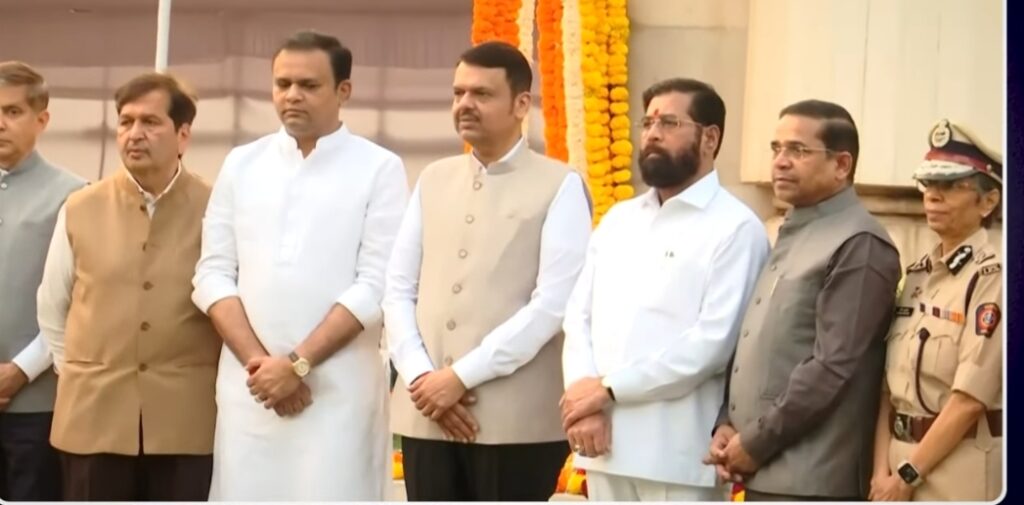
NEW DELHI: The ruling alliance in Maharashtra appears to be in visible disarray as the state heads into a tense, high-stakes phase of municipal elections. With the final list of contestants released late on Saturday after unexpected delays, political observers are warning of an acrimonious, fierce contest and potentially volatile campaign in the ten days leading up to polling.
The larger political picture is stark: the Bharatiya Janata Party (BJP) is effectively pitted against almost everyone else, including its own uneasy allies. What was once projected as a stable ruling coalition now looks fractured, with public recriminations, competitive candidate placements, and open distrust defining the pre-poll atmosphere.
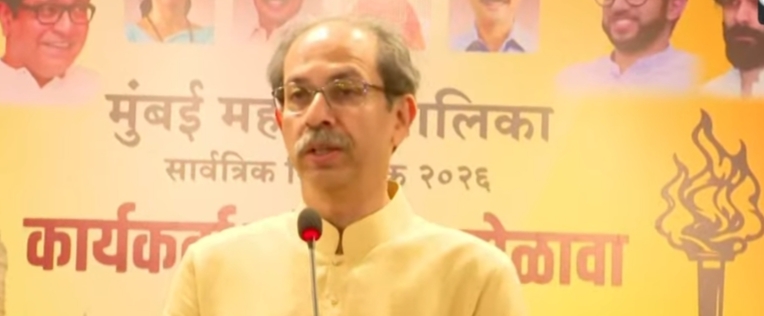
The fiercest battles are expected in the Mumbai Metropolitan Region, where contests in Mumbai, Thane, Navi Mumbai, Ulhasnagar and Kalyan-Dombivli have turned into direct showdowns between the BJP and the two rival Shiv Sena factions.
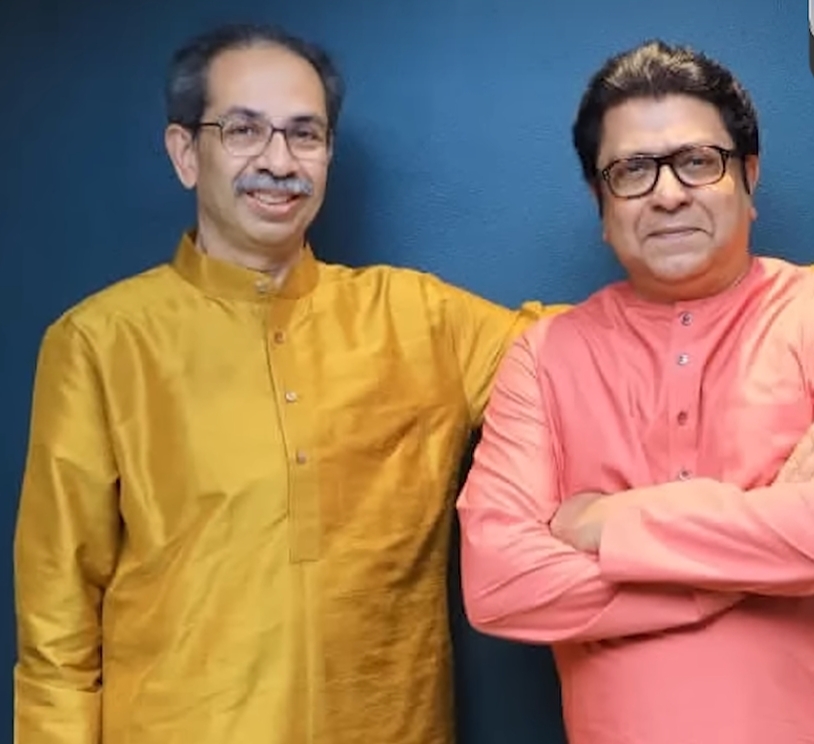
Both the Eknath Shinde-led Sena and the Uddhav Thackeray-led Sena (UBT) are fighting for political relevance and organisational dominance, while the BJP is attempting to assert itself as the singular pole of power in urban Maharashtra.
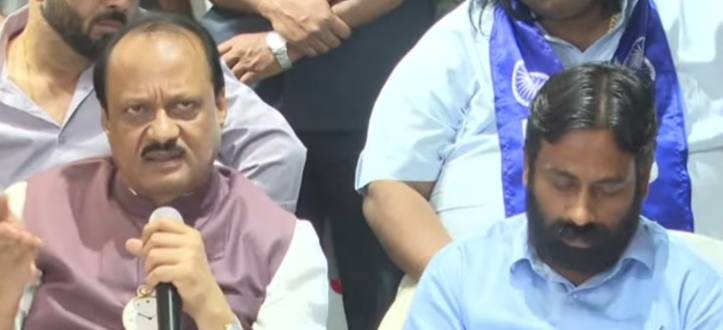
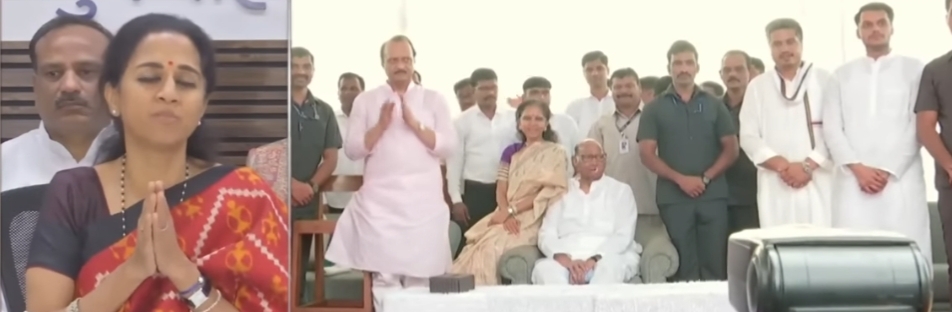
In Pune and Pimpri-Chinchwad, the fight has crystallised into a straight contest between the BJP and the Nationalist Congress Party (NCP), particularly the Ajit Pawar faction. Significantly, Ajit Pawar, once the BJP’s most crucial ally in the state, has emerged as one of its most vocal critics during the campaign. His sharp attacks have added fuel to speculation that the alliance is under severe strain, if not already politically exhausted.
Adding to the turbulence, the BJP’s state president stated in Pune that the party “regrets” having inducted Ajit Pawar into the ruling alliance—an extraordinary admission that underscores the depth of internal discord.
The Shinde Sena, too, has publicly claimed that it was “deceived” by the BJP on issues of power-sharing and political accommodation, further exposing cracks within the government.
In Vidarbha, the BJP faces a different challenge altogether. Here, it is locked in a triangular contest against the Congress and the Vanchit Bahujan Aghadi (VBA) led by Prakash Ambedkar, with caste equations and local grievances expected to play a decisive role.
Meanwhile, the State Election Commission (SEC) has been forced into damage-control mode after complaints surfaced regarding 67 seats being declared uncontested. Allegations of threats, intimidation and cash inducements to force candidate withdrawals have prompted the SEC to promise a formal inquiry, raising serious questions about the integrity of the electoral process.
A significant administrative development has also caught political attention. Rashmi Shukla, considered close to Chief Minister Devendra Fadnavis, has been replaced as Director General of Police by Sadanand Date, an IPS officer widely regarded as independent and professionally upright. Political circles view the change as an attempt to project neutrality and restore credibility amid growing concerns over law and order during the campaign.
With alliances fraying, rivals sharpening their attacks and the Election Commission under pressure to ensure a free and fair poll, Maharashtra’s municipal elections are shaping up to be more than just local body contests. They have become a referendum on the BJP’s dominance strategy—and on whether fractured allies can still challenge it in the urban heartland.
As the countdown begins, the state braces for a campaign that promises to be loud, bitter and fiercely fought.
Pictures credit social media

We are a multimedia news network. Website : www.7xnews.com
Based in New Delhi (India) Youtube : umakantlakheraspeaks@gmail.com