

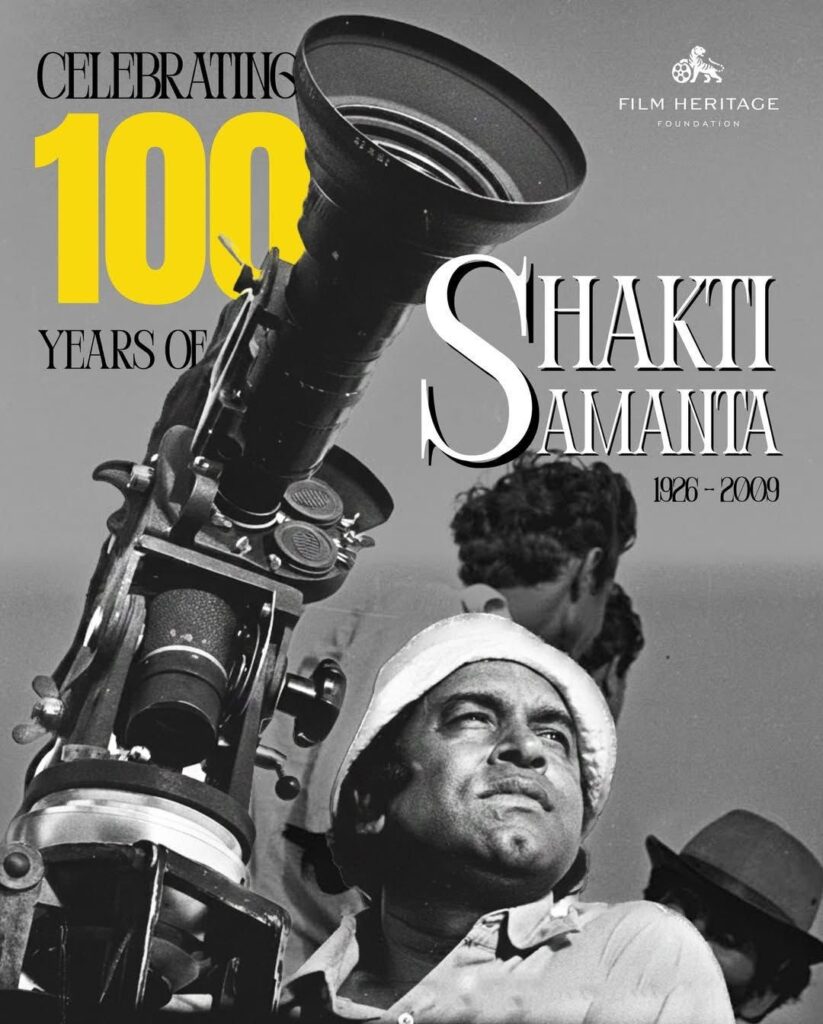
January 13, 2026, marked the birth centenary of Shakti Samanta, one of the most successful and influential filmmakers in Hindi and Bengali cinema.Shakti Samanta: The Master Craftsman of Romance, Mystery & Melody Marking the Birth Centenary of a Filmmaker Who Defined an Era in Hindi and Bengali Cinema
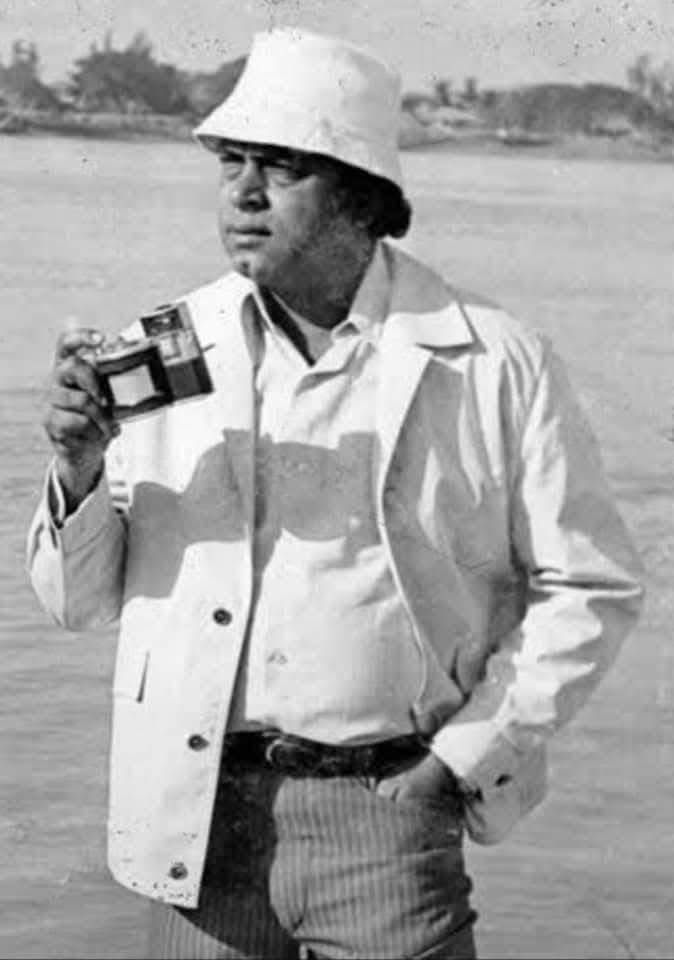
Here is a portrait of the legendary director, whose vision shaped generations of audiences.
Born on January 13, 1926, in the village of Bokra, Purba Bardhaman, into a middle-class family, Samanta received his early education in Dehradun while staying with his uncle and graduated from Calcutta University in 1944. Aspiring initially to become an actor, he took up a teaching job in Dapoli—about 200 km from Bombay—to stay close to the film industry. After years of struggle, he joined Bombay Talkies in 1948 as an assistant director, working under masters like Satish Nigam, Gyan Mukherjee, and Phani Majumdar on films such as Sunhere Din, Tamasha, Baadbaan, and Dhobi Doctor.
From Humble Beginnings to Directorial Glory
His directorial debut, Bahu (1954), starring Karan Dewan, Usha Kiron, Shashikala, and Pran, proved a success and set the stage for a remarkable career. He followed it with films like Inspector (1956) with Ashok Kumar and Geeta Bali, Sheroo (1956), Detective (1957), and Hill Station (1957).
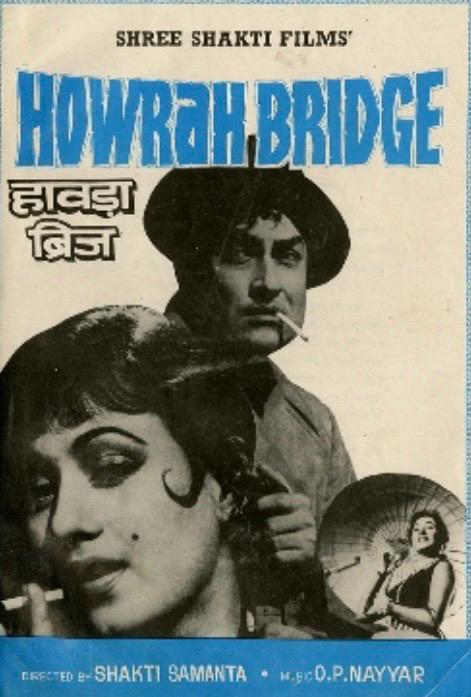
In 1957, he launched Shakti Films with the stylish murder mystery Howrah Bridge (1958), starring Ashok Kumar and Madhubala. Its O. P. Nayyar soundtrack, especially the iconic ‘Aaiye Meherbaan’ sung by Asha Bhosle and picturised on Madhubala, made it a blockbuster.
The Golden Era of Glamour and Hits
While the socially relevant Insaan Jaag Utha (1959) with Sunil Dutt and Madhubala received a lukewarm response, Samanta excelled in blending mystery, romance, and unforgettable music. The 1960s brought major successes: Jaali Note (1960), Singapore (1960), China Town (1962)—a crime thriller with Shammi Kapoor in a double role—and Kashmir Ki Kali (1964), which introduced Sharmila Tagore in Hindi cinema opposite Shammi Kapoor, remembered for timeless O. P. Nayyar songs like “Taarif Karoon Kya Uski” and “Isharon Isharon Mein Dil Lenewale.”
The duo reunited in An Evening in Paris (1967), one of the first Indian films shot extensively abroad, which created a sensation with Sharmila Tagore’s bold bikini appearance.
The Rajesh Khanna Phenomenon
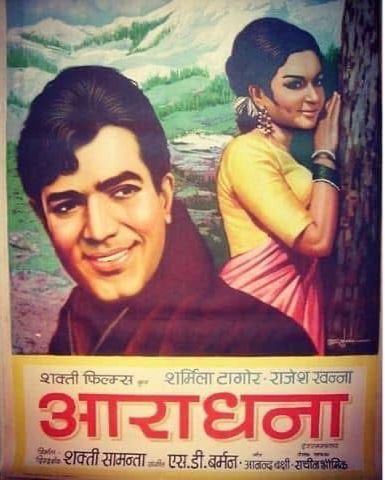
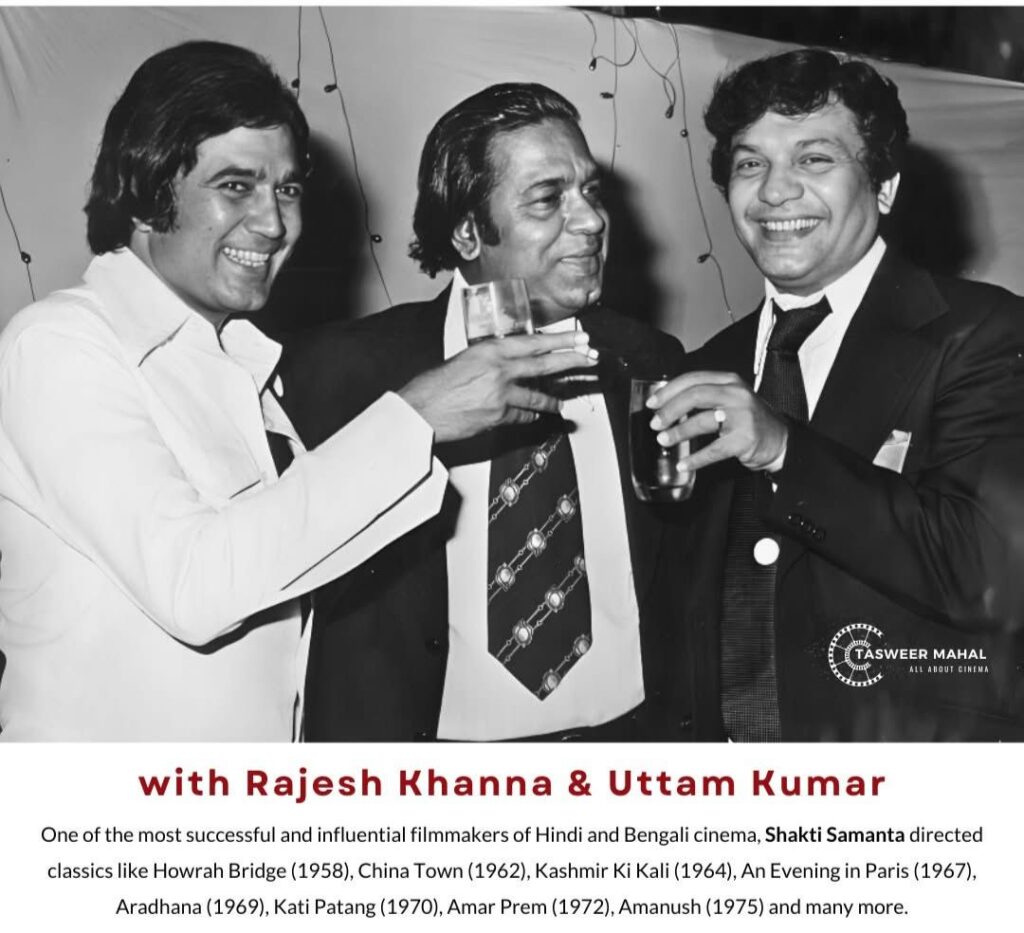
The defining moment arrived in 1969 with Aradhana, which launched Rajesh Khanna as a superstar. The poignant tale of a woman (Sharmila Tagore) raising her illegitimate child—loosely inspired by To Each His Own (1946)—earned Samanta the Filmfare Award for Best Picture and Tagore for Best Actress. Its massive success forged a long, fruitful collaboration with Khanna, producing classics like Kati Patang (1970), Amar Prem (1972), Anurodh (1977), and more.
Here are glimpses from the making of Aradhana and its iconic poster:
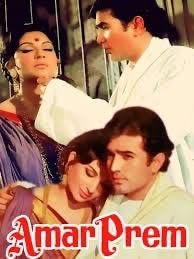
Amar Prem (1972) remains one of his most sensitive works, with Sharmila Tagore’s courtesan Pushpa forming a tender bond with Rajesh Khanna’s character and a child, elevated by R. D. Burman’s soul-stirring music.
Bridging Hindi and Bengali Cinema
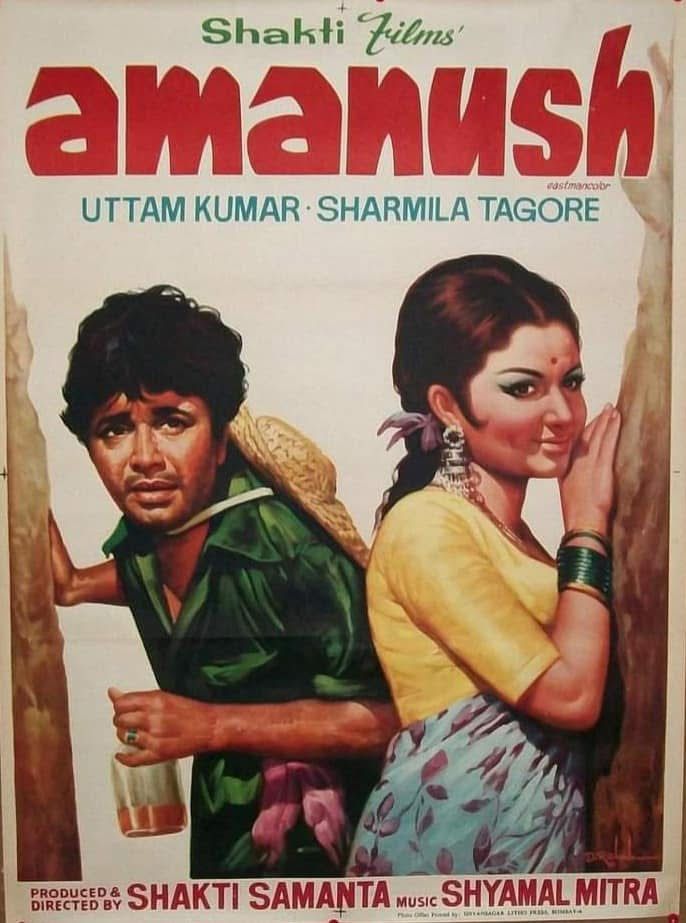
In 1975, Samanta directed the bilingual Amanush, starring Bengali legend Uttam Kumar alongside Sharmila Tagore, which became a hit in both languages. He later reunited Uttam Kumar with Ashok Kumar and Tagore in Anand Ashram (1977).
Over his career, he directed 43 feature films—37 in Hindi and 6 in Bengali—including Anuraag (1972), The Great Gambler (1979) with Amitabh Bachchan, Barsaat Ki Ek Raat (1981), and his final film, the Bengali Devdas (2002). He also produced Balika Badhu (1976) and Achena Atithi (1997), and in 1985 expanded into sound processing with Aradhana Sound Service.
Samanta passed away on April 9, 2009, following a cardiac arrest.
As restored screenings and tributes celebrate his centenary, Shakti Samanta’s enduring legacy lies in his timeless stories, melodic masterpieces, and unmatched ability to touch the human heart—bridging Hindi and Bengali cinema across generations.
~Hasnain Naqvi is a former member of the history faculty at St. Xavier’s College, Mumbai

~Hasnain Naqvi is a former member of the history faculty at St. Xavier’s College, Mumbai….
The opinions expressed here are solely those of the author.