

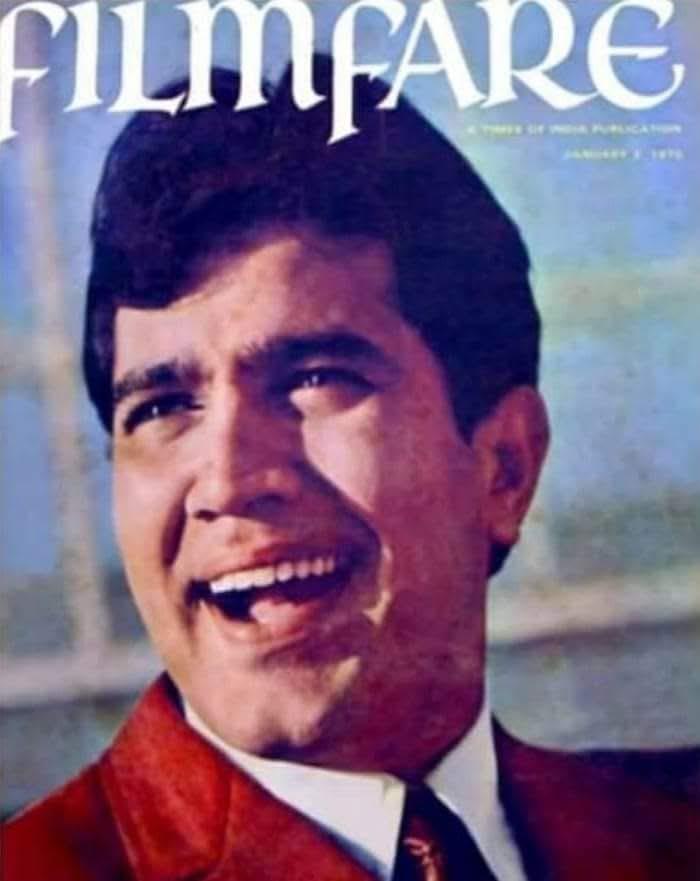
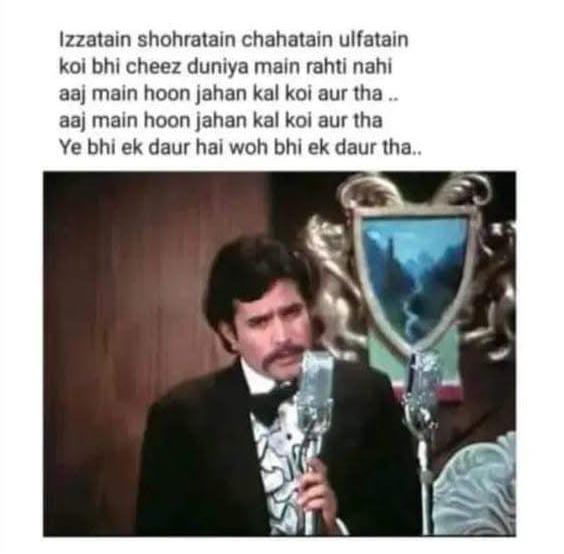
The Genesis of a Giant Main Hoon Jahan, Kal Koi Aur Tha; Yeh Bhi Ek Daur Hai, Woh Bhi Ek Daur Tha!(Where I stand today, another stood yesterday; this is but an era, as was that!)~Sahir Ludhianvi (Daag)
On December 29, the Indian film fraternity and millions of fans worldwide pause to mark the 83rd birth anniversary of a man who didn’t just play a hero—he defined an era. Rajesh Khanna, affectionately known as “Kaka,” remains the ultimate benchmark for stardom in Hindi cinema. His journey from a dreamer in a talent contest to a cultural icon is a story of meteoric rise, unmatched charisma, and the inevitable, graceful passage of time.
The Genesis of a Giant
The legend of Rajesh Khanna was not born overnight, but it was certainly ignited by a singular moment of triumph. In 1965, at the 12th Filmfare Awards, a young Jatin Khanna emerged from a life-sized gift box as one of the eight finalists of the United Producers Talent Contest. Having outperformed over 10,000 aspirants, he stepped onto the stage not just as a winner, but as a “phenomenon” in the making.
While his early outings like Aakhri Khat and Raaz hinted at his potential, it was Shakti Samanta’s Aradhana in 1969 that shifted the tectonic plates of the industry. What followed was a feat remains unparalleled in cinematic history: a breathless streak of 17 consecutive hits between 1970 and 1974.
A Cultural Contagion
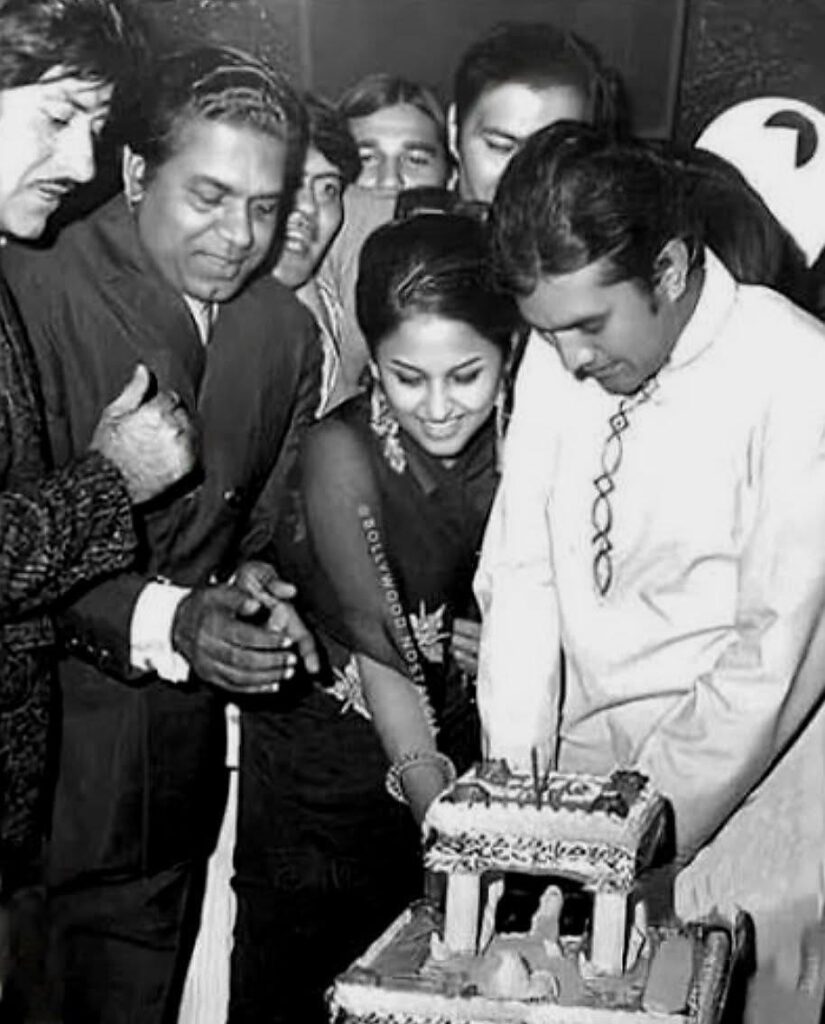
Khanna’s stardom was a sensory experience. It was found in the way he tilted his head, the crinkle of his eyes, and the signature Guru-kurtas that became the national uniform for the youth. He was the vessel through which the melodies of R.D. Burman and the soulful voice of Kishore Kumar reached the masses. Together, they created a “magical wave” of music that serves as the soundtrack for romance even today.
His impact was so profound that it transcended the silver screen. In an unprecedented move, the University of Bombay introduced a chapter titled ‘The Phenomenon Called Rajesh Khanna’ in its curriculum to study his success. The streets echoed with the popular adage, “Upar Aaka, Neeche Kaka” (God is above, and Kaka is below), cementing his status as a demi-god of the masses.
The Serious Artiste and the Changing Tide
While he was the undisputed King of Romance in films like Kati Patang, Amar Prem, and Daag, Khanna was equally adept at plumbing the depths of human sorrow and philosophy. His performances in Anand, Safar, Aavishkar, and Khamoshi showcased a serious actor who could command a scene with a mere silken whisper or a melancholic glance.
As the mid-1970s ushered in the “Angry Young Man” archetype, the cinematic landscape shifted. Yet, despite the waning of the initial hysteria, Khanna proved his mettle with a powerful second innings. Through the late 70s and 80s, films like Avtaar, Souten, and Amrit proved that his connection with the audience was far from severed; it had merely matured.
A Legacy Beyond the Screen

Rajesh Khanna’s life was a tapestry of diverse pursuits. From the heights of Bollywood, he transitioned into the corridors of power, serving as a Member of Parliament for the Congress party in the early 1990s. His contribution to the arts was recognized with three Filmfare Best Actor awards, a Lifetime Achievement Award, and the posthumous conferment of the Padma Bhushan in 2013.
Though he left this world in 2012, his presence remains palpable.
Today, as his daughter Twinkle Khanna celebrates her birthday alongside his anniversary, we remember the man who taught a nation how to love and how to live. Rajesh Khanna was more than a superstar; he was a fleeting, beautiful “daur” (era) that will never truly end.
~Hasnain Naqvi is a former member of the history faculty at St. Xavier’s College, Mumbai
Pictures credit social media

~Hasnain Naqvi is a former member of the history faculty at St. Xavier’s College, Mumbai