

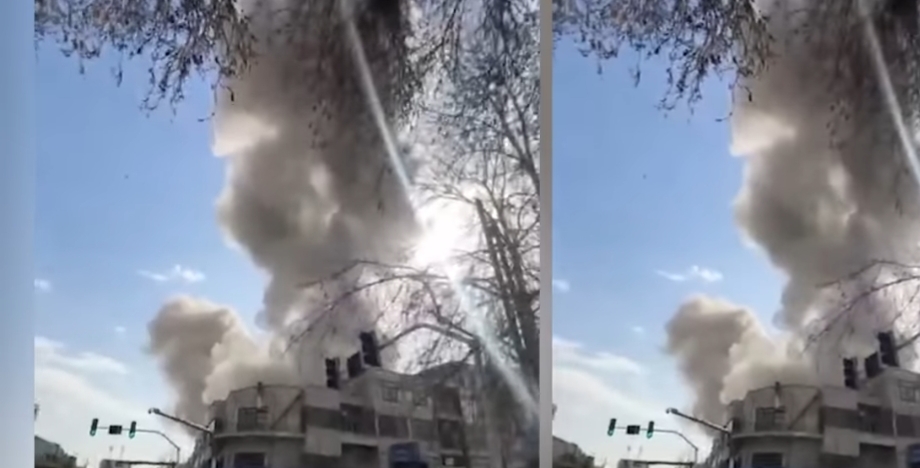
NEW DELHI,12 March 2026 : The 12-day (and counting) US-Israel war on Iran reframed battlefield tactics – courtesy a drone-led asymmetric assault by Tehran that has challenged traditional intercept equations.
But short- and long-term impacts on fertiliser supply chains are increasingly critical – and which has flown under the radar so far – particularly since Middle East and Ukraine conflict zones reveal similar vulnerabilities to India’s ability to feed an est. 147 crore population. It also impacts jobs and livelihoods in an economy heavily reliant on agriculture.
The energy supply question – crude oil supply unpredictability due to US-Israeli and Iranian strikes on refineries and depots in the Middle East, and shipping constraints as a result of Tehran’s unofficial blockade on the Strait of Hormuz – has been well documented so far.
So too has supply volatility impact on India, leading from fears of rationing of petrol and diesel to shortage of LPG cylinders used by over 33 crore households and lakhs of eateries.
Potential dips in crude oil supply via Hormuz are expected to be offset by increased purchases from Russia, and the government has insisted sufficient strategic reserves exist in the interim. The Petroleum Ministry has also directed increased production of LPG cylinders.
But oil and gas are only part of India’s exposure in this war.
The data suggests India faces a 20 – 25 per cent exposure to fertiliser supply chain disruptions due to the war and informal blockade on the Hormuz.
This is because, like oil, shipments from the Gulf – from the UAE, Qatar, Saudi Arabia, and Oman – are shipped via the strait.
Given the agriculture sector’s importance, this is a not insignificant chink in the armour.
Picture credit social media