
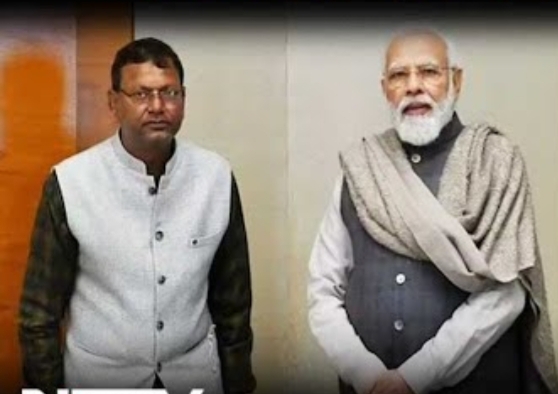
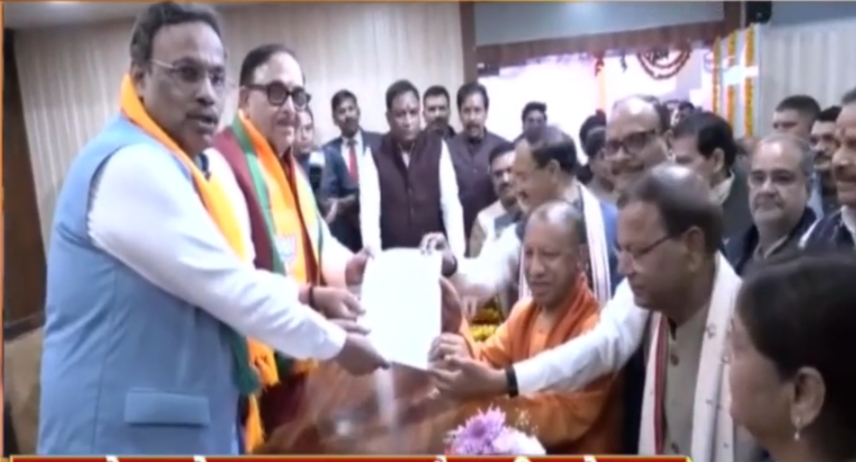
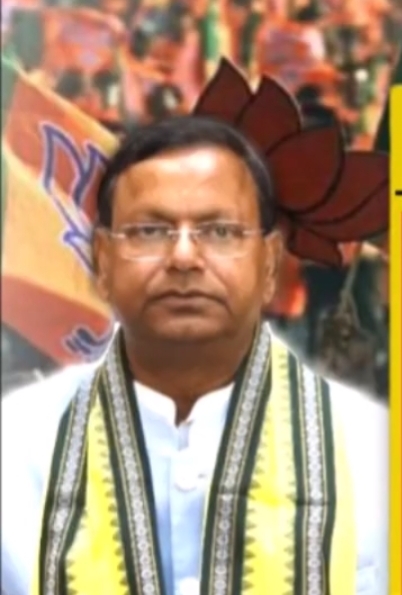
NEW DELHI: The Bhartiya Janata Party’s decision to appoint Union minister of state for finance Pankaj Choudhary as the new BJP president of Uttar Pradesh is being widely read within political circles as a carefully calibrated signal to Chief Minister Yogi Adityanath and a marker of the central leadership’s long-term electoral and organisational plan for the state.
Highly placed BJP sources say the move underscores that Prime Minister Narendra Modi and Home Minister Amit Shah are firm about shaping the party’s 2027 Uttar Pradesh strategy well in advance, without prematurely projecting Yogi Adityanath as the party’s chief ministerial face.
The appointment, they argue, reflects a deliberate attempt to “rebalance power centres” in India’s most electorally crucial state.
Pankaj Choudhary, a seven-time parliamentarian from Uttar Pradesh and a prominent leader of the influential Kurmi community, brings with him both organisational experience and a strong social base.
His elevation is being seen as a message that the BJP wants to consolidate non-Yadav OBC support at a time when Samajwadi Party chief Akhilesh Yadav has aggressively pushed the PDA (Pichhda, Dalit, Alpsankhyak) narrative to expand his social coalition.
Importantly, Choudhary is not considered to be in Yogi Adityanath’s close political circle. BJP insiders suggest this was a key factor behind his selection. The central leadership was also mindful of Yogi’s well-known discomfort with rivals such as Deputy CMs Keshav Prasad Maurya and Brajesh Pathak, both of whom command independent political followings. By choosing Choudhary, the party appears to have opted for a figure acceptable to Delhi but not threatening to the Chief Minister’s administrative authority.
Observers also see a broader eastern India calculus at play. The Kurmi factor is critical not just in eastern Uttar Pradesh but also in neighbouring Bihar, where Chief Minister Nitish Kumar continues to wield influence over the community. BJP strategists believe Choudhary’s elevation could help blunt that influence and better align UP’s eastern districts with the party’s Bihar strategy.
Beyond state politics, the move is being interpreted as part of a larger internal churn within the BJP over leadership succession in the post-Modi era. For now, however, the message from the top appears clear: Uttar Pradesh will remain central to the BJP’s national ambitions, and every organisational decision will be made with 2027—and beyond—firmly in mind.
[Writer is Senior Journalist and Political Commentator]
Picture credit social media

Umakant Lakhera is a Senior Journalist and Political Commentator