
NEW DELHI: Air raid sirens were sounded in Tel Aviv, and blasts echoed across the Gulf cities of Dubai, Doha, Abu Dhabi and Manama on Monday, minutes after the Israel Defence Forces (IDF) reported a fresh wave of missile attacks by Iran. Since the start of the US-Israel campaign on Saturday – which killed Iran’s supreme leader, Ayatollah Ali Khamenei, and other top leaders – explosions have become a constant presence in the Qatari and Bahraini capitals as well as in the UAE’s most populous cities.
As Tehran’s strikes entered their third day, several missiles were intercepted over Tel Aviv and Jerusalem. In Iraq, an AFP photographer witnessed air defence systems intercepting at least two drones near Erbil airport. Drones have repeatedly been intercepted over Erbil, which hosts the US-led coalition troops and is also home to a major US consulate complex. IN Kuwait, columns of smoke were seen rising from the American embassy.
The oil-and-gas-rich Gulf neighbours of Iran – which host a clutch of US military bases – have seen significant damage to civilian infrastructure From airports and seaports to residential buildings and hotels, the impact has been widespread.
In the UAE, which has borne the brunt of the attacks, debris from intercepted drones injured two people in Dubai’s residential areas. On Saturday, the Iranian attacks sparked fires at landmarks such as The Palm seafront development and Burj Al Arab hotel.
Saudi Aramco has temporarily shut its Ras Tanura refinery after the facility was struck by Iranian drones. The strike on Ras Tanura — one of Saudi Arabia’s key refining hubs — adds to fears of broader disruption in the region’s energy infrastructure.
Aramco’s media office is yet to issue an official statement on the attack. However, Saudi’s defence ministry spokesperson told Al Arabiya TV that two drones targeting Saudi Aramco’s Ras Tanura facility were intercepted.
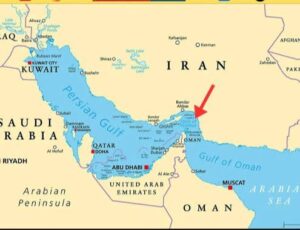
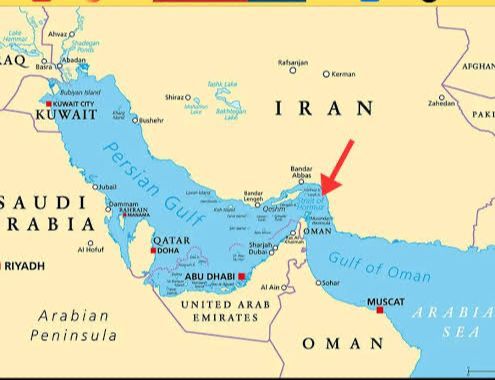
The attack comes at a moment of extreme strain for the global oil market. Crude prices have logged their steepest four-year surge as the widening Iran conflict has effectively paralysed shipping through the Strait of Hormuz, the narrow passage that handles nearly 20% of the world’s daily oil flows. Though Tehran has not formally closed the route, several shipowners have suspended transits, citing security concerns, creating a de facto bottleneck in one of the world’s most critical energy corridors.