
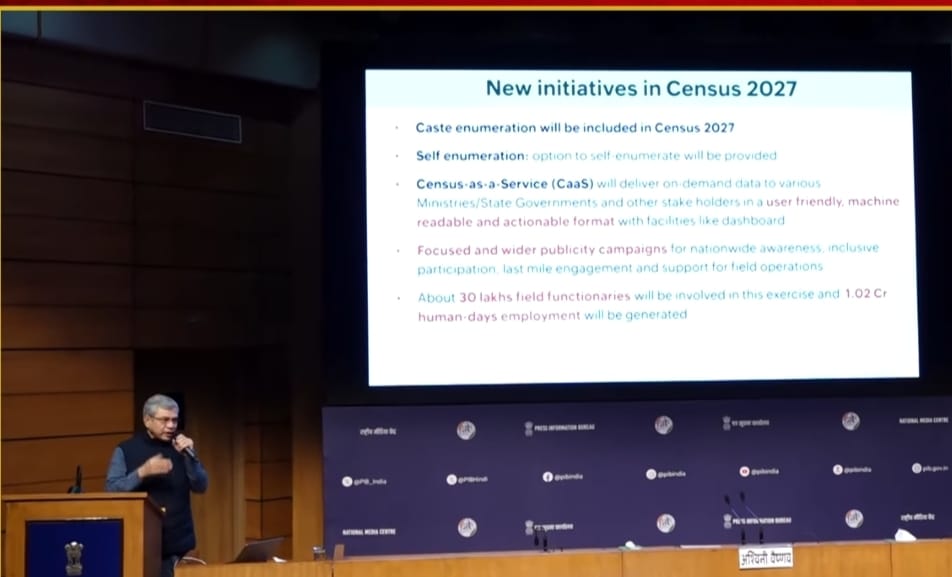
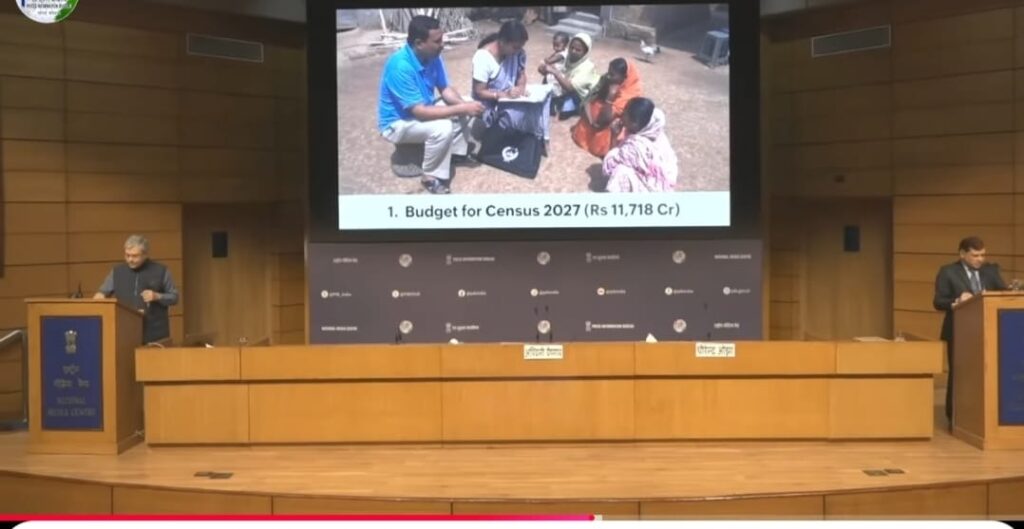
NEW DELHI: India is heading towards the biggest recalibration of political representation in five decades, as the Union Cabinet’s push to complete the digital population census within the next two years has reignited a fierce national debate.
The move sets the stage for long-pending delimitation of Lok Sabha and Assembly constituencies, a process that experts say will dramatically alter the balance of power between the high-population northern states and the demographically stabilised south.
The last time Lok Sabha seats were redistributed was in the early 1970s. Since then, a constitutional freeze—imposed in 1976 to avoid penalising states that controlled population growth—prevented any change based on demographic realities. With that freeze ending in 2026, a new political era appears imminent.
Top government sources confirm that once fresh population data is available, “delimitation will follow immediately.” The implications will be loud and clear.Notably Northern states such as Uttar Pradesh, Bihar, Madhya Pradesh and Rajasthan, which have witnessed sustained population growth, stand to gain significantly in parliamentary representation.
Estimates suggest these states could collectively add 40–60 Lok Sabha seats if a strict population-proportion formula is applied.
In sharp contrast, the relatively low-fertility southern states—Tamil Nadu, Kerala, Karnataka, Andhra Pradesh and Telangana—face the prospect of losing anywhere between 20–40 seats. Maharashtra, too, may see a reduction as its share in national population has fallen.
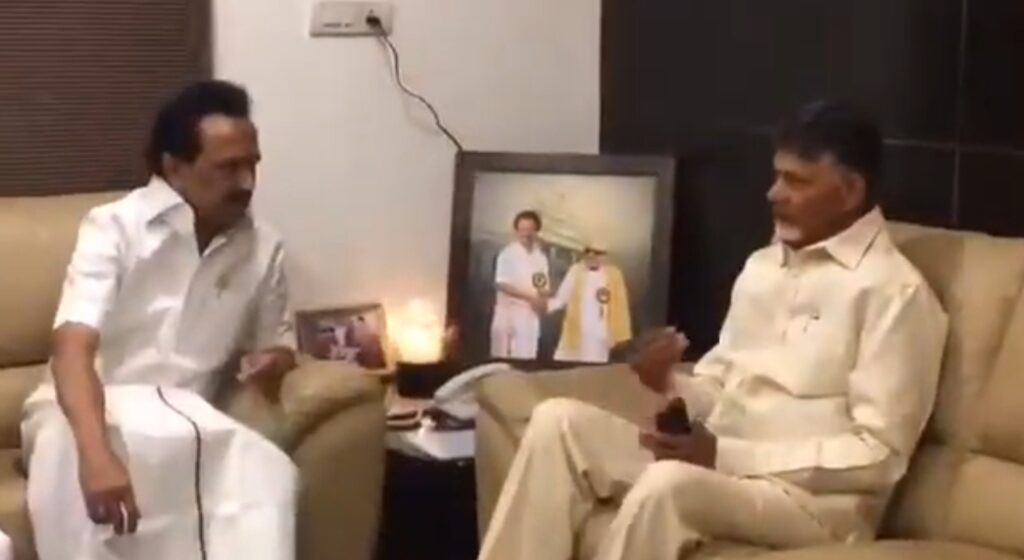
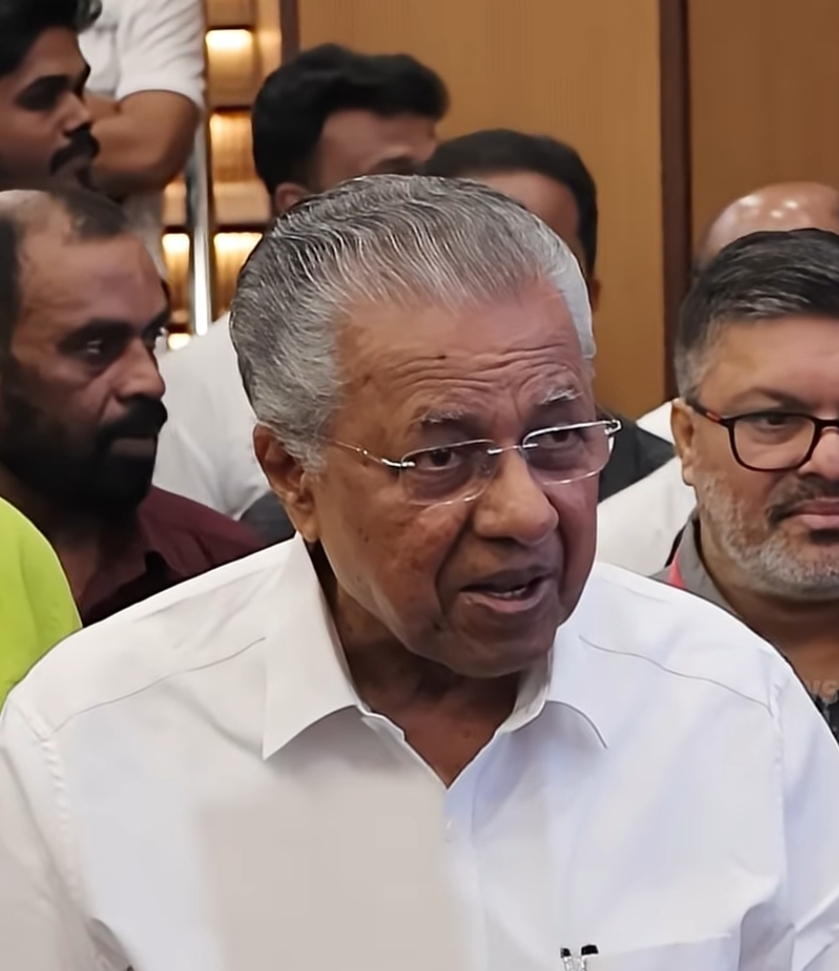
This potential shift has triggered unease across the south. DMK chief M.K. Stalin, Kerala Chief Minister Pinarayi Vijayan and Andhra Pradesh Chief Minister N. Chandrababu Naidu have publicly voiced concerns that delimitation based solely on population would render the south “politically irrelevant,” despite contributing disproportionately to India’s economic output and social indicators.
Experts warn that a sharper North–South confrontation could emerge. One senior demographer put it bluntly: “If delimitation is based purely on population, the southern states will lose national voice for the next 40 years.”
The ripple effects will extend to state assemblies, Rajya Sabha strength, federal negotiations, and national resource allocation. With UP and Bihar potentially commanding close to 40% of Lok Sabha seats, national politics,and policy priorities may be reshaped fundamentally.
As India prepares for the 2026 census, the question is no longer if the map will change, but how dramatically observersra feel that undoubtedly India is going to enter in to new era of political and social change.
[Writer is Senior Journalist and Political Commentator]
Picture credit social media

Umakant Lakhera is a Senior Journalist and Political Commentator