

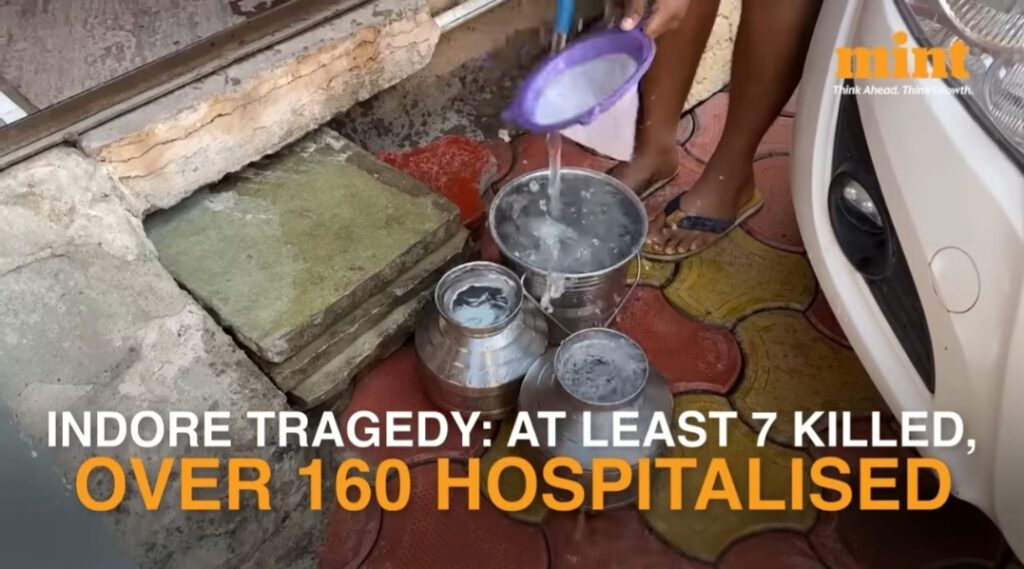
NEW DELHI7 Jan 2026: In Madhya Pradesh’s villages, drinking water has quietly turned into a public health weapon. A new report by the central government’s Jal Jeevan Mission reveals that more than one-third of rural drinking water in the state is unfit for human consumption, exposing millions to invisible but deadly contamination.
According to the Functionality Assessment Report released on January 4, 2026, only 63.3% of water samples in Madhya Pradesh passed quality tests, compared to a national average of 76%. That means 36.7% of rural drinking water samples in the state were found unsafe, containing bacterial or chemical contamination.
The samples were collected from over 15,000 rural households across Madhya Pradesh in September-October 2024.
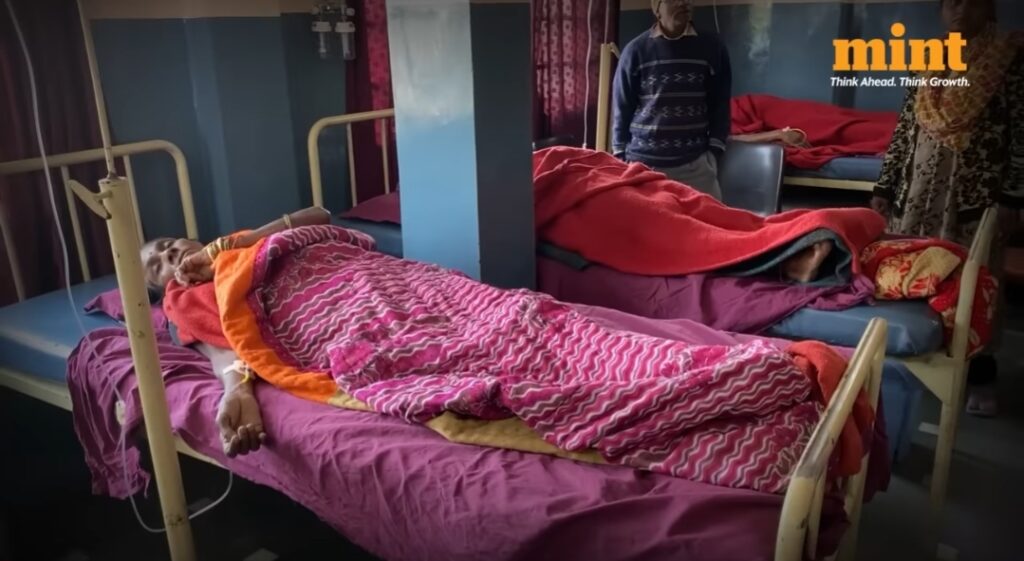
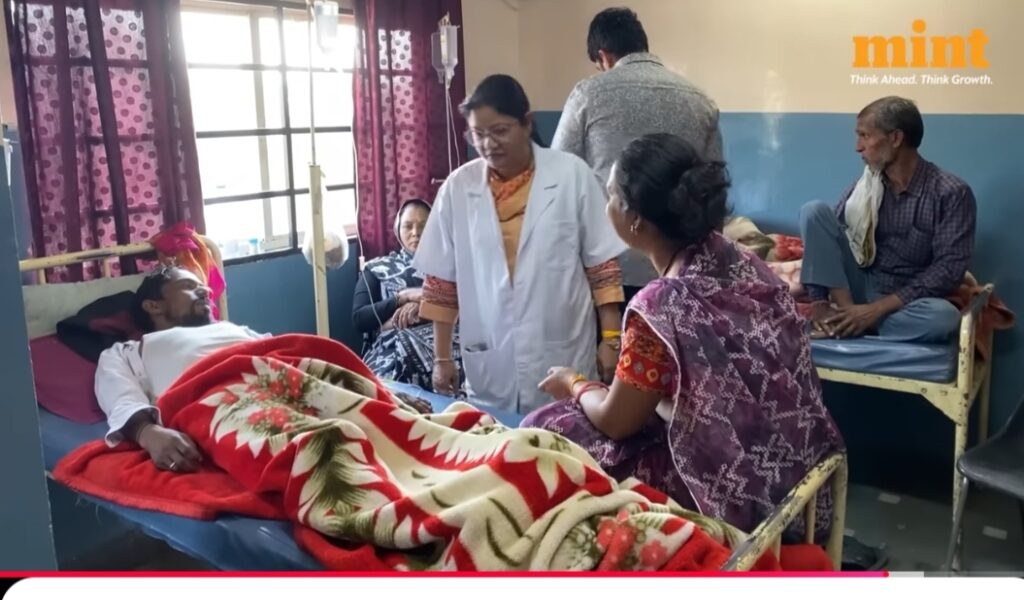
The situation is even more alarming in places meant to heal and protect. In government hospitals, only 12% of water samples passed microbiological safety tests, compared to a national average of 83.1%. About 88% of hospitals in Madhya Pradesh are supplying unsafe drinking water to patients.
In schools, 26.7% of samples failed microbiological tests, exposing children to contaminated water on a daily basis.
Tribal Districts without safe water
In tribal-dominated districts such as Anuppur and Dindori, not a single water sample was found to be safe.
In Balaghat, Betul, and Chhindwara, more than 50% of water samples were contaminated
In Madhya Pradesh, only 31.5% of households have tap connections, far below the national average of 70.9%.
Even where pipelines exist, the system is broken; 99.1% of villages have piped supply, but only 76.6% of households have functioning taps. That means every fourth household has a dead tap or no water at all.
Picture credit MINT social media channel