

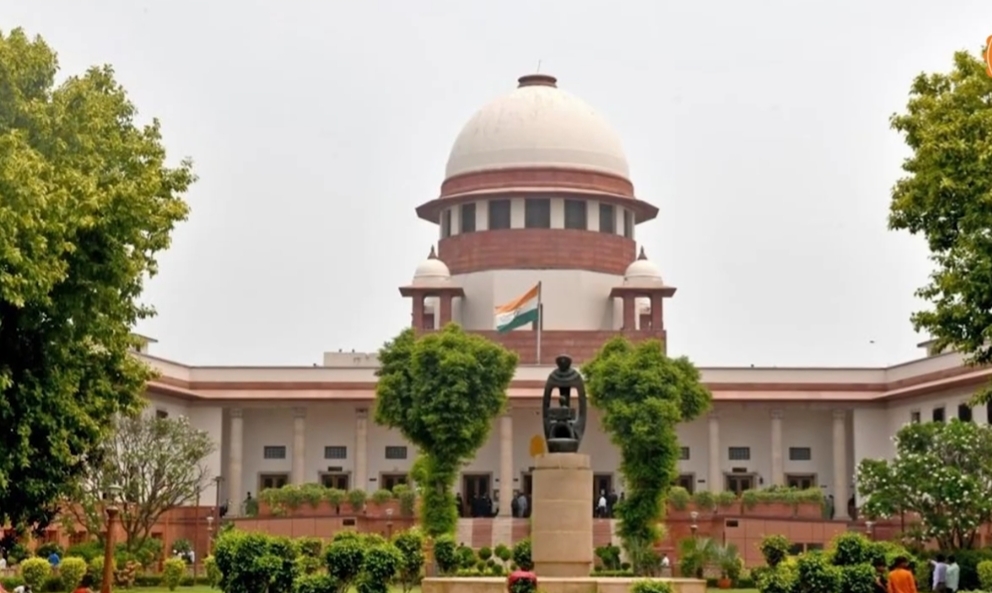
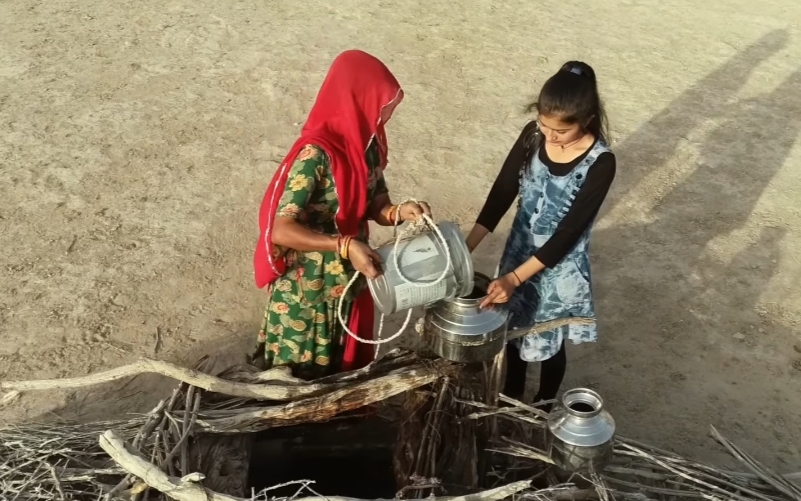
NEW DELHI: Observing that a significant section of India’s population, particularly in rural areas, still lacks access to basic drinking water, the Supreme Court on Thursday declined to entertain a public interest petition seeking the adoption of international quality standards for packaged drinking water, terming the issue as one of “luxury litigation.”
A Bench comprising Chief Justice Surya Kant and Justice Joymalya Bagchi was hearing a petition filed by Sarang Vaman Yadwadkar, which alleged that packaged drinking water sold in the country did not conform to benchmarks followed in the developed countries including standards prescribed by the World Health Organisation (WHO).
The petitioner sought directions for enhancing the quality standards including strengthening the regulatory framework governing bottled water under the Food Safety and Standards Authority of India.
At the threshold, the Bench questioned the premise of the plea. Chief Justice Surya Kant remarked that the country continued to grapple with more fundamental problem of access to drinking water itself. “Where is the drinking water in this country? People do not have drinking water; the quality of bottled water will come later on,” he observed, making it clear that the Court was disinclined to intervene.
Senior advocate Anita Shenoy, appearing for the petitioner, argued that the issue directly concerned public health and that consumers were entitled to safe and potable packaged water. Referring to Section 18 of the Food Safety and Standards Act, 2006, she submitted that statutory authorities were duty-bound to ensure safety norms and could not dilute prescribed standards. She also highlighted disparities between Indian regulations and international benchmarks, including those of the WHO.
The Bench, however, remained unpersuaded. The Chief Justice described the petition as reflecting an “urban-centric approach,” pointing out that a large rural population depended on groundwater for daily consumption. “This is an urban-centric approach; people in rural areas drink groundwater, and nothing happens to them,” he remarked.
The Court noted that it might have viewed the matter differently had the plea focused on areas where even basic drinking water facilities were absent. “Water bottle should have this content, that content—these are all luxury litigations,” the Chief Justice said.
When counsel differed with the characterisation of the case as luxury litigation and reiterated its public health implications, the Bench stressed that the petition overlooked prevailing ground realities.
“Do you think we can introduce USA, EU or Japan guidelines? Let us see the realities of the country. Nobody takes up the cause of the poor; this is rich and urbanised phobia,” the Chief Justice observed.
Despite submissions pointing to weaker permissible limits under Indian norms compared to WHO standards, the Court declined to examine the issue. However, it permitted the petitioner to withdraw the plea with liberty to approach the appropriate authorities.
In a closing remark, the Chief Justice said, “When Gandhi came to India, he travelled through the poorest regions. Ask the petitioner to travel to areas where people struggle to get water—then one will understand what India truly faces.”
Picture credit social media

