

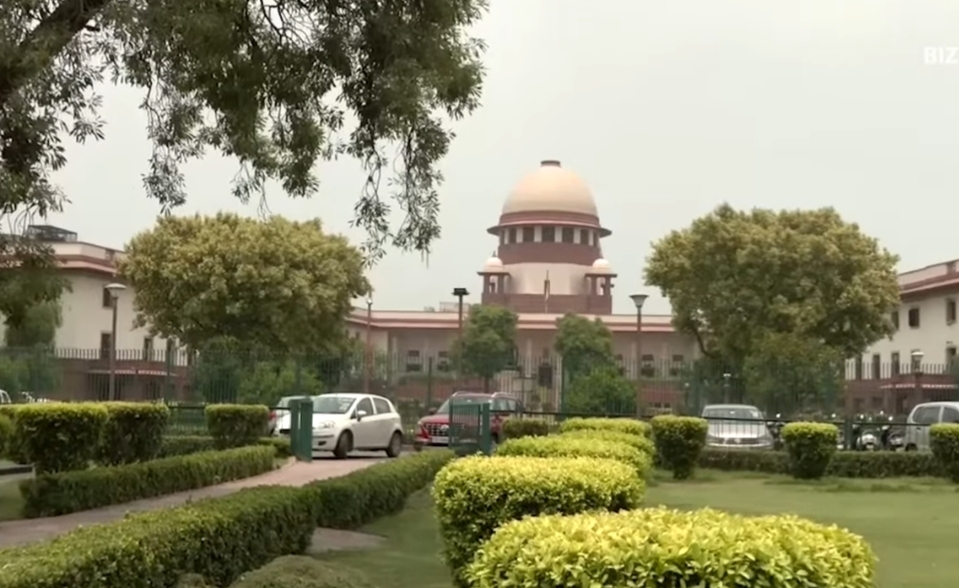

NEW DELHI: The Supreme Court of India has repeatedly emphasised that its earlier directions to combat the severe air pollution in Delhi-NCR must be implemented in a meaningful and enforceable manner, rather than remaining on paper.
In hearings on the persistent air quality crisis, the court highlighted widespread non-compliance with anti-pollution measures, noting that poor enforcement by authorities has blunted the impact of judicial orders. Senior lawyers assisting the bench informed the court that past directions have not led to measurable improvements, with pollution levels remaining dangerously high during winter months despite repeated orders.
The apex court has also rejected suggestions that it can provide an immediate technical solution to the problem, observing instead that only domain experts and scientific bodies can develop effective, long-term strategies to reduce hazardous air quality. In this context, the court reiterated that its role is to ensure that the executive and regulatory bodies comply with environmental law and previously issued directives.
As part of enforceable action, the Supreme Court has directed key regulatory agencies — including the Commission for Air Quality Management (CAQM) and state governments in the National Capital Region — to take specific steps. These have included instructing CAQM to issue binding orders limiting outdoor activities (such as school sports) during high pollution episodes, and insisting that action-taken reports be filed by all concerned authorities outlining how pollution-control measures are being enforced.
The top court slammed the affluent class over pollution lifestyle, saying the poor suffer the most.
In previous air pollution cases, the Supreme Court mandated strict implementation of the Graded Response Action Plan (GRAP) when the Air Quality Index enters ‘severe’ levels, requiring all NCR states to constitute enforcement teams and act without delay. It also underscored that such emergency measures cannot be relaxed without its approval.
Overall, the court’s interventions reflect a push for judicially enforceable action — demanding that executive agencies not only adopt air-quality measures but also demonstrate tangible compliance through monthly reporting and designated enforcement mechanisms. This approach aims to transform judicial directives into concrete administrative follow-through, ensuring that public health considerations are prioritised as part of ongoing pollution control efforts.

