
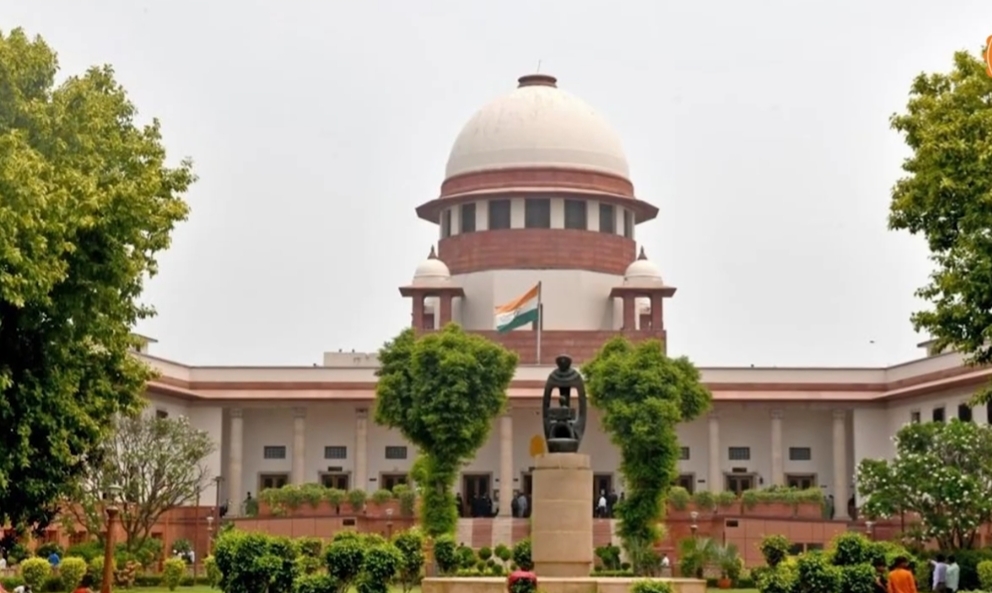
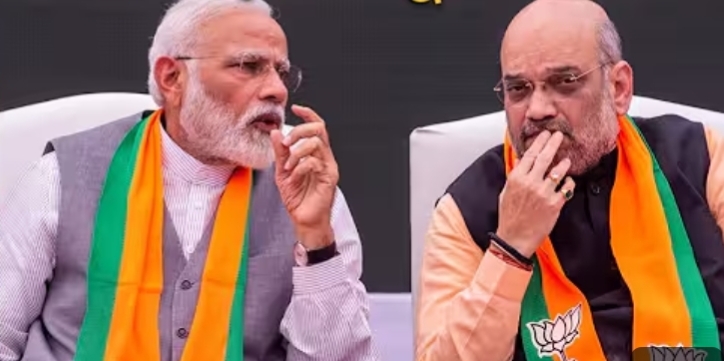
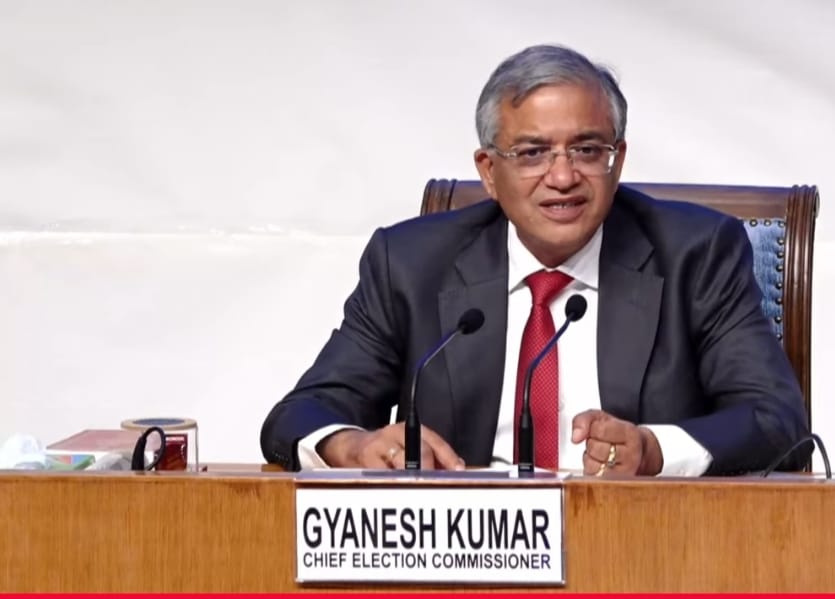

NEW DELHI,14Jan2026 : The Supreme Court’s decision to issue notice to the Union government on a petition challenging lifetime immunity for the Chief Election Commissioner (CEC) and Election Commissioners has sent ripples through the political establishment, triggering discomfort within both the ruling dispensation and the Election Commission of India (ECI).
According to a senior official in the poll body, the court’s intervention could prove “deeply embarrassing” not just for the Election Commission but also for the Modi government that piloted the controversial legislation through Parliament.
The official, speaking on condition of anonymity, said the extraordinary emphasis placed on insulating the CEC and the two Election Commissioners from post-retirement legal scrutiny has raised serious questions within other constitutional institutions as well.
Legal and political observers note that the Supreme Court’s notice is significant because it goes beyond a narrow technical challenge and touches the core principles of institutional accountability and independence. The petitioners have argued that blanket lifetime immunity undermines transparency and weakens public confidence in the constitutional watchdog tasked with ensuring free and fair elections.
The controversy unfolds against the backdrop of growing opposition anger toward the Election Commission. Almost all non-BJP parties have accused the ECI of partisan conduct, particularly over the Special Intensive Revision (SIR) of electoral rolls and a new roadmap for deletion of voters in several states. Opposition leaders claim these exercises disproportionately affect vulnerable and minority voters, a charge the ECI has repeatedly denied.
Tensions escalated further after confrontations between Trinamool Congress (TMC) Members of Parliament and Election Commission officials at the ECI headquarters in Delhi, highlighting the depth of mistrust between the poll body and the opposition parties.
Similar allegations of bias were raised after the recently concluded Bihar elections, where opposition formations alleged selective enforcement of the Model Code of Conduct and administrative overreach.
The immunity law itself has become a flashpoint in the broader debate on electoral reforms. Critics argue that the government’s decision to remove the Chief Justice of India from the committee selecting Election Commissioners—replacing the judicial presence with a purely executive-dominated panel—has already diluted institutional checks and balances.
The subsequent move to grant lifetime immunity, they say, reinforces the perception that the government is seeking to shield the Commission from scrutiny.
“The message that goes out is troubling,” said a senior opposition leader. “It appears as if the government is rewarding the Election Commission with legal protection in exchange for decisions that consistently favour the ruling party.”
The Government sources, however, reject these allegations, maintaining that immunity is intended to protect constitutional authorities from frivolous litigation and post-tenure harassment. They insist the law aligns with protections available to other high constitutional functionaries and does not compromise the Commission’s independence.
The Supreme Court is now expected to examine whether such sweeping immunity is compatible with constitutional principles of accountability and equality before law. Legal experts believe the court’s observations could have far-reaching implications for the balance of power between the executive and independent institutions.
As the issue gains traction beyond courtrooms and Parliament into public discourse, the government faces mounting pressure to justify its approach. With several key state elections on the horizon, the outcome of this legal challenge may well shape not only the future of the Election Commission but also the credibility of India’s electoral process itself.
[Writer is Senior Journalist and Political Commentator]
Picture credit social media

Umakant Lakhera is a Senior Journalist and Political Commentator

