

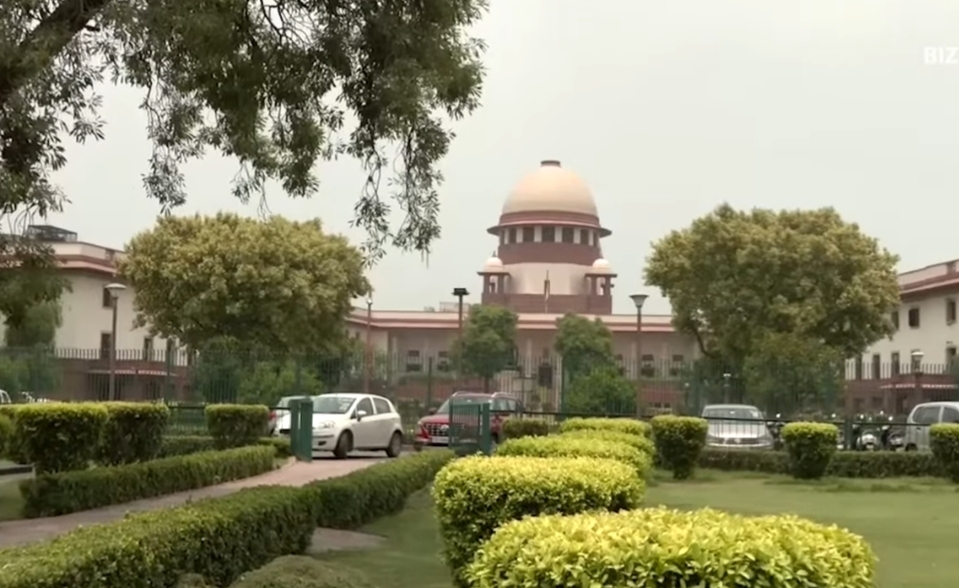

NEW DELHI: The Supreme Court Monday termed as “gross contempt” Telangana Assembly Speaker Gaddam Prasad Kumar’s alleged refusal to decide disqualification petitions against 10 BRS MLAs who defected to the Congress despite the top court setting a three-month deadline in July.
A three-judge bench, presided over by Chief Justice of India B R Gavai, asked the Speaker to decide by next week or face contempt action.
“It’s for him to decide whether he wants to take action or face contempt by the court…This is gross contempt of court…Finish it by next week or face contempt, it is for him to decide. We have already held that he doesn’t enjoy constitutional immunity when considering the matters. He has to decide where (he) has to celebrate his New Year’s Eve,” the CJI told Senior Advocate A M Singhvi, who appeared for the Speaker.
The bench comprising Justices K Vinod Chandran and N V Anjaria was hearing a plea seeking contempt of court proceedings against the Speaker for not deciding the disqualification petitions within the time set by the court. The bench issued notice to the Speaker returnable in two weeks.
Supreme Court’s July 31 order
On July 31, a bench presided over by the CJI asked the Speaker to decide the petitions expeditiously, not later than three months.
The court then stated that the primary objective of the anti-defection law was to curb the evil of political defections, and the sole purpose of entrusting the role of adjudication to the Speaker was to prevent delay and ensure an expeditious decision on disqualification petitions.
It said the Speaker, in his capacity as a tribunal in deciding disqualification petitions, does not enjoy any “constitutional immunity”.
The Supreme Court also asked the Telangana Speaker not to allow the MLAs, against whom disqualification petitions have been filed, to protract the proceedings and said that adverse inference can be drawn against any MLA who attempts any delaying tactic.
The ruling pointed out that the Speaker had not issued notice on the petitions seeking disqualification for almost seven months and stated, “If we do not issue any directions, it will amount to allowing the Speaker to repeat the widely criticised situation of ‘operation successful, patient dead’.”
Noting the recurring instances of Speakers allegedly sitting on disqualification proceedings, the SC also asked the Parliament to review the present mechanism contemplated under the Tenth Schedule of the Constitution.
“Though we do not possess any advisory jurisdiction, it is for the Parliament to consider whether the mechanism of entrusting the Speaker/Chairman the important task of deciding the issue of disqualification on the ground of defection is serving the purpose of effectively combating political defections or not,” the Supreme Court said in the July 31 order.