

NEW DELHI, As Bihar gears up for the second phase of assembly polling on Tuesday (Nov 11), the ruling Bharatiya Janata Party (BJP) appears to be facing unexpected turbulence across several of its traditional strongholds.
With 122 constituencies spread across the Seemanchal, Mithilanchal, and Champaran regions going to the polls, reports from the ground suggest that the BJP is losing grip over its core upper-caste vote base while its smaller tactical plans have failed to yield the desired results.
According to sources close to the party’s top strategists, the BJP’s internal assessments indicate a noticeable erosion in upper-caste support, a segment that has long remained the backbone of its electoral success in Bihar. The reason, they admit privately, lies in voter fatigue, local-level discontent, and the perception that the alliance with Chief Minister Nitish Kumar’s Janata Dal (United) has not delivered the expected synergy.

Unlike in 2020, the BJP had expected Asaduddin Owaisi’s All India Majlis-e-Ittehadul Muslimeen (AIMIM) to play the role of a spoiler in minority-dominated areas.
However, ground feedback indicates that Owaisi’s candidates — fielded in more than 25 constituencies — have failed to generate traction this time. Muslim voters, according to reports, are voting strategically to consolidate behind the strongest anti-BJP contender in each constituency, effectively neutralizing the party’s expectation of a split in opposition votes.
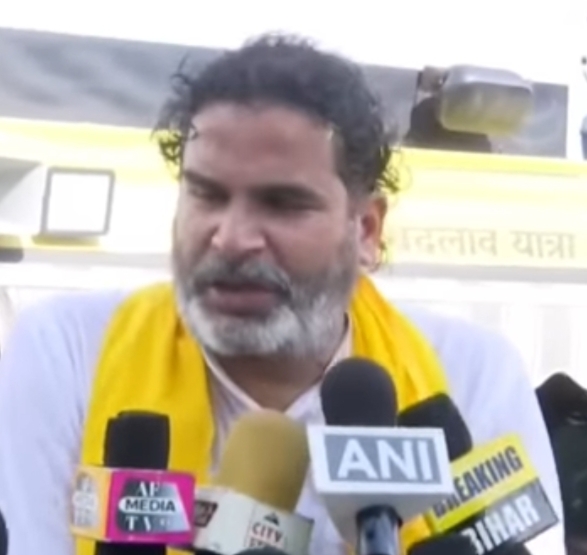
Similarly, the much-discussed challenge posed by Prashant Kishor’s Jan Suraaj candidates has also fizzled out. Observers note that Kishor’s campaign, though ambitious in its outreach, has not managed to make any significant dent either in NDA’s base or in the Mahagathbandhan’s ranks.
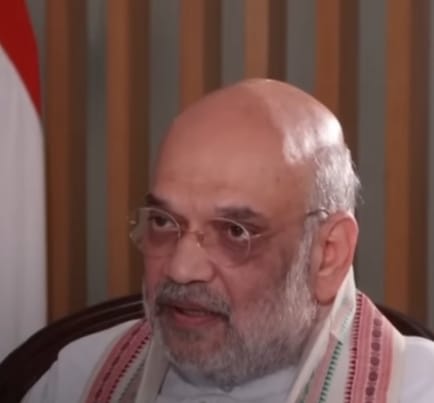
Insiders in the BJP camp acknowledge growing unease over the “miscalculated optics” that followed Union Home Minister Amit Shah’s public claim that the BJP would form the next government in Bihar with 160 seats. The statement, intended to project confidence, reportedly angered sections within the JD(U), leading to tension between the allies. Efforts at reconciliation between Shah and Chief Minister Nitish Kumar have failed to fully repair the damage. “It came too late to undo the political perception it created,” admitted one senior NDA insider.
Meanwhile, reports from Samastipur have added to the state’s election-day anxieties. Local sources alleged violations in the security of a strong room and the discovery of a bulk number of VVPAT slips in a public area, triggering political controversy. Election officials have assured an inquiry, but the opposition has seized upon the issue, accusing the ruling coalition of negligence and possible manipulation.
With polling only days away, both alliances are engaged in intense last-minute damage control. For the BJP, the erosion of upper-caste loyalty and the failure of expected vote-splitters like Owaisi and Kishor have complicated the electoral arithmetic. As Bihar’s second phase approaches, the NDA’s challenge appears steeper than anticipated, while the Mahagathbandhan hopes to capitalize on the emerging cracks in the ruling alliance’s strategy.
[Writer is Senior Journalist and Political Commentator]
All pictures credit social media

Umakant Lakhera is a Senior Journalist and Political Commentator

