

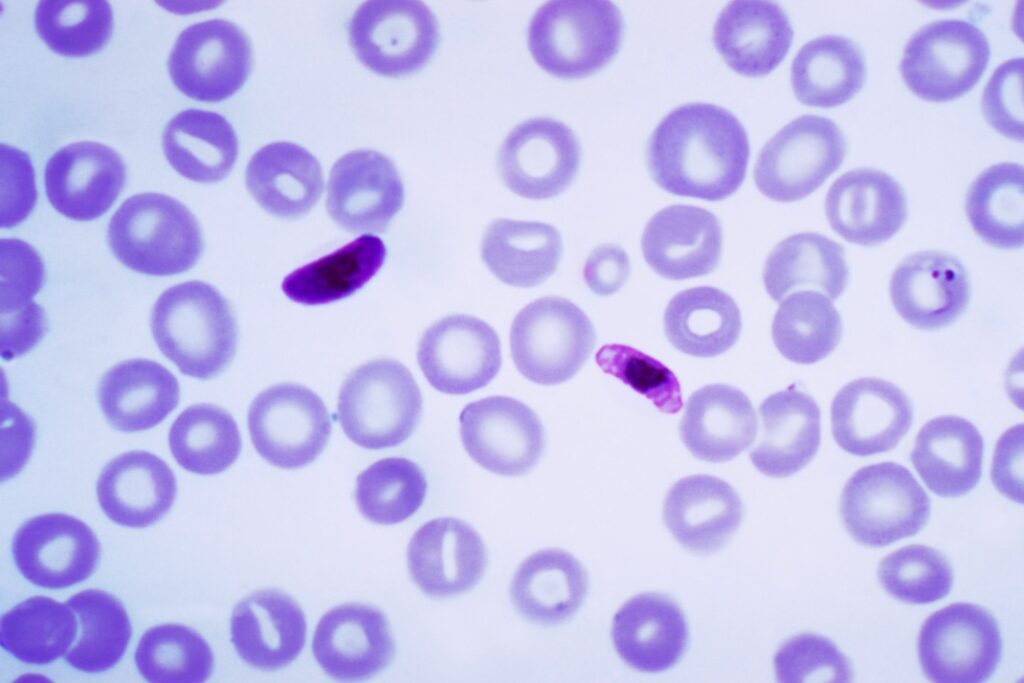
NEW DELHI,16 March 2026 : Scientists have made a major breakthrough in the fight against malaria, identifying a unique protein that is essential for the parasite’s survival and transmission. The discovery, made by an international team of researchers, centres on a molecule called Aurora-related kinase 1 (ARK1), which acts as a ‘traffic controller’ during the parasite’s cell division and growth process.
The team, which includes researchers from the University of Nottingham, National Institute of Immunology (NII) in India, University of Groningen, and the Francis Crick Institute, believes that targeting ARK1 could lead to the development of new antimalaria drugs. The study was published in Nature Communications.
According to a release by University of Nottingham, Malaria remains one of the world’s deadliest diseases, caused by Plasmodium parasites that replicate rapidly within humans and mosquitoes. Understanding how these parasites divide and multiply is crucial to stopping the disease.
Unlike human cells, the malaria parasite divides and grows in a unique, atypical way. The research team discovered that ARK1 is responsible for organising the ‘spindle’, the molecular machinery that pulls genetic material apart to create new parasites.
Picture credit social media