

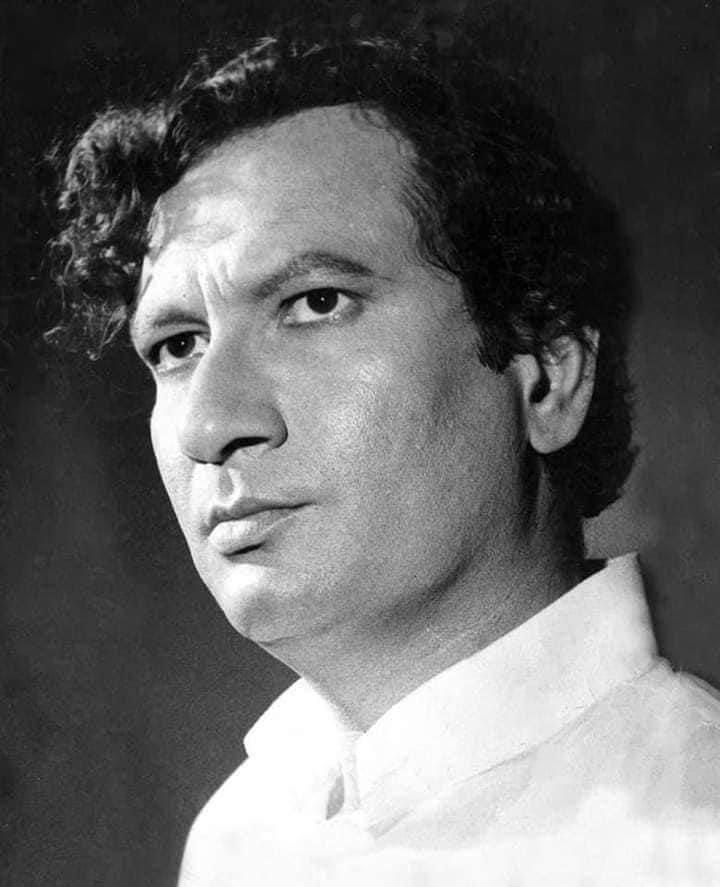
On January 22, 1934 (or 1935, as some chroniclers suggest), a man was born who would eventually teach Bollywood how to dance with the camera. Yet, before he became the legendary Vijay Anand, the mastermind behind noir classics and soul-stirring dramas, he was simply “Goldie”—a shy, Hindi-medium student at Mumbai’s St. Xavier’s College, fighting a quiet revolution against an elite that looked down upon his mother tongue.
The story of Goldie Anand is not just one of cinematic genius, but of a young man who used the stage to dismantle snobbery.
The Xavier’s ‘Rebellion’
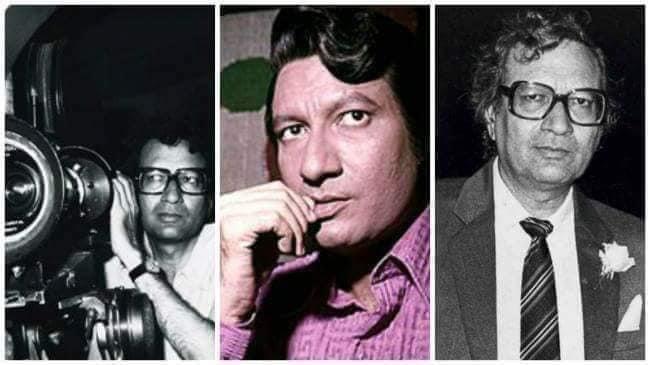
In the early 1950s, St. Xavier’s was a bastion of Westernization. To speak Hindi was considered “unfashionable.” Goldie often recounted a stinging encounter with a fellow student who, when asked to join a play, retorted: “I don’t speak Hindi. I only speak Hindi with my servants.” Rather than retreating, Goldie leaned in. He recognized that to survive this English-dominated environment, he had to be better than the best. He formed the Hindi Sahitya Natya Mandal (Hindi Literature and Drama Society), recruiting a young singer named Mahendra Kapoor—whom Goldie convinced to act by promising to coach him through his stage fright.
The Prophecy of Premnath
Goldie’s breakthrough came with a self-written play titled Rehearsal. It was a “meta” concept long before the term became a Hollywood buzzword—a play about the chaotic process of staging a play.
When Rehearsal beat out twenty-four other colleges to win the top prize at an inter-collegiate competition, the “English-speaking” crowd was livid. Eggs and tomatoes were hurled at the judges. It was then that the veteran actor Premnath, standing tall amidst the chaos, made a prophetic declaration:
> “This boy will become a very big actor and director one day. You are not old enough to understand his talent yet.”
>
Quick Wit and “Directorial”
Penchant
Goldie’s genius was often fuelled by necessity. After winning the national competition, his troupe was invited to perform for Prime Minister Jawaharlal Nehru in Delhi. Disastrously, a celebratory round of pedas and lassi at Connaught Place left the entire cast with severe food poisoning just hours before the curtain rose.
Showing the quick thinking that would later define his film sets, Goldie instructed his actors to simply say, “I’ll be back in a minute,” and walk off-stage whenever their stomachs cramped. Because the play was about a rehearsal, the audience—and a laughing Nehru—thought the exits were a brilliant bit of improvisational comedy.
From the Stage to the Silver Screen
The simple, conversational Hindi that Goldie championed in college became his signature in Bollywood. He moved away from the heavy, theatrical dialogue of the era, opting for a style that felt real, rhythmic, and modern.
His journey from the canteen tables of St. Xavier’s to directing masterpieces like Kaala Bazaar, Guide, Teesri Manzil, and Jewel Thief serves as a testament to his vision. He wasn’t just Dev Anand’s “talented younger brother”; he was the man who gave the Navketan banner its sophisticated, edgy, and deeply human pulse.
On his birth anniversary, we celebrate Goldie Anand: the man who proved that whether you are performing for a Prime Minister or a skeptical college crowd, authenticity and a bit of wit will always win the day.
~Hasnain Naqvi is a former member of the history faculty at St. Xavier’s College, Mumbai

~Hasnain Naqvi is a former member of the history faculty at St. Xavier’s College, Mumbai