

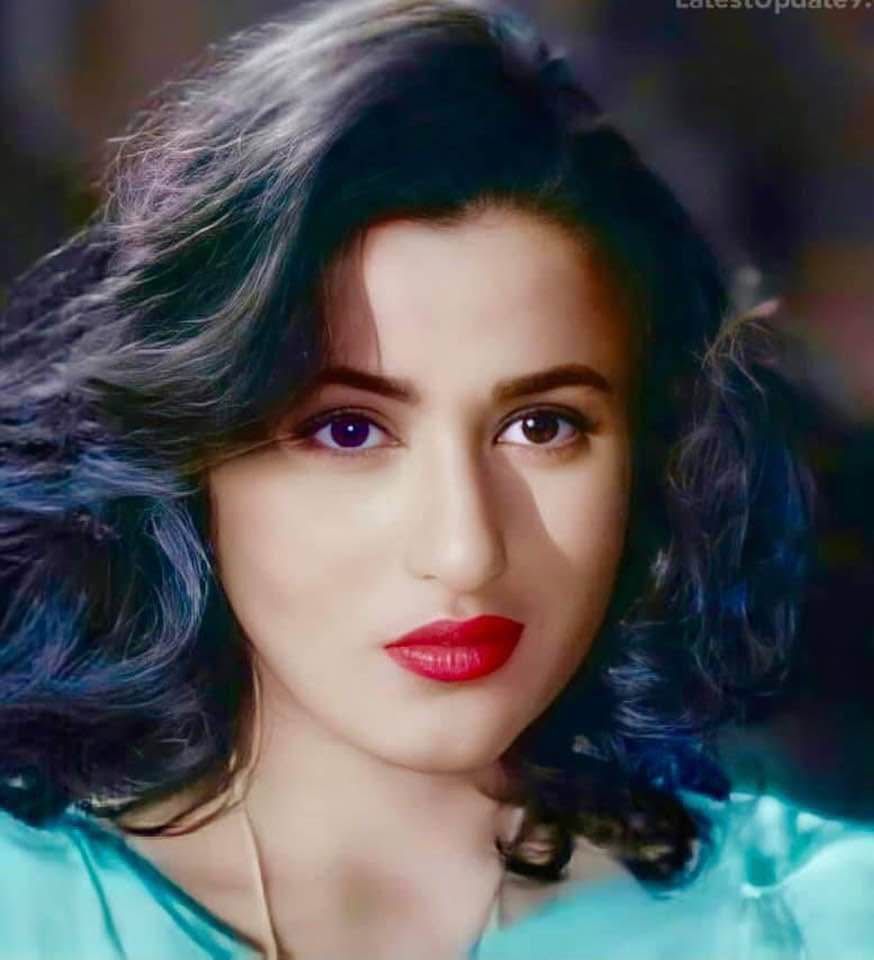
On February 14, while the world celebrates the ephemeral nature of modern romance, cinema lovers pause to honor a more enduring flame. Today marks the 93rd birth anniversary of Mumtaz Jehan Begum Dehlavi, known to the world as Madhubala. That she was born on Valentine’s Day is no mere coincidence of the calendar; it feels, in retrospect, like a poetic necessity for a woman who became the ultimate personification of love, longing, and heartbreaking beauty on the silver screen.
From Tragedy to Triumph
Madhubala’s life was a study in contrasts—a shimmering public persona built upon a foundation of private hardship.
Born in 1933 into a large Pashtun family, her early years were marked by the grit of survival. Having lost five siblings and surviving the catastrophic Bombay Dock Explosion of 1944 only by the chance of being at a local cinema, her entry into the film industry at age nine was not a pursuit of vanity, but a necessity for family survival.
The girl nicknamed “Majhlee Aapa” at home, who spoke no English but possessed a linguistic grace in Urdu and Hindi, soon became the breadwinner. By 14, she was a leading lady opposite Raj Kapoor in Neel Kamal (1947). It was the start of a two-decade reign that would redefine the aesthetics of Indian stardom.
The Global Venus
Often dubbed the “Marilyn Monroe of Bollywood,” the comparison, while flattering, almost undersells her unique magnetism. Like Monroe, she possessed a “smoldering” vulnerability and a life cut tragically short, but Madhubala’s screen presence carried a classical, ethereal quality that earned her the title “The Venus of Indian Cinema.”
Her fame famously transcended borders. In 1951, Life Magazine featured her as the biggest star in the international film industry, captured through the lens of James Burke. Even Hollywood legend Frank Capra was reportedly so captivated by her screen presence that he sought to give her a break in international cinema—an overture famously declined by her father, keeping her firmly within the firmament of Bombay.
A Legacy of Luminous Range
While her beauty is the first chapter of her legend, her versatility was the spine of her career. Across 70 films, she navigated genres with an ease that few have matched since:
* The Ethereal: In the gothic masterpiece Mahal (1949).
* The Comedienne: Showing impeccable timing in Mr. & Mrs. ’55 and the rollicking Chalti Ka Naam Gaadi.
* The Icon: In Mughal-e-Azam (1960), her portrayal of Anarkali remains the definitive performance of tragic defiance in Indian cinema.
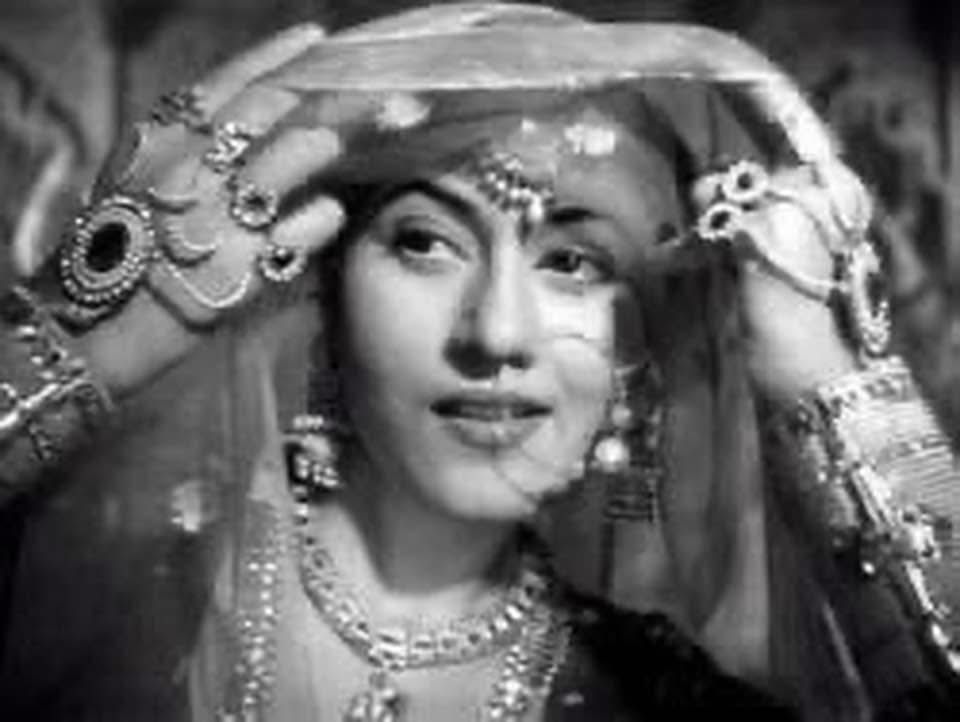
Though she received only one Filmfare nomination for Mughal-e-Azam, the longevity of her films—from the noir mystery of Howrah Bridge to the musical heights of Barsaat Ki Raat—proves that her value was never measured by trophies, but by the collective heartbeat of an audience that couldn’t look away.
The Final Fade-Out
Madhubala’s private life was as cinematic as her roles. Her storied and soulful relationship with Dilip Kumar remains the great “what if” of Bollywood history, yet it was her marriage to the eccentric genius Kishore Kumar in 1960 that defined her final years.
Tragically, the heart that captivated millions was biologically frail. A prolonged illness took her from us on February 23, 1969, at the age of 36, leaving behind incomplete projects like Chalak and an industry in mourning.
Today, 93 years after her birth, Madhubala remains more than just a nostalgic memory. She is an archetype. In every flickering frame of Mughal-e-Azam, she remains the eternal Valentine—reminding us that while beauty may be fleeting, a truly luminous spirit is immortal.
~Hasnain Naqvi is a former member of the history faculty at St. Xavier’s College, Mumbai

~Hasnain Naqvi is a former member of the history faculty at St. Xavier’s College, Mumbai

