

High-Stakes Drama Unfolds: Will Cross-Voting Upend India’s Vice-Presidential Election?
As India braces for the vice-presidential election tomorrow, the political landscape is buzzing with speculation over potential cross-voting that could deliver a stunning upset. On paper, the ruling Bhartiya Janata Party (BJP) and its National Democratic Alliance (NDA) partners hold a commanding lead with 427 members in the electoral college, well above the 392 votes needed for victory. Yet, whispers of discontent within the coalition suggest that the Opposition’s candidate, Justice Reddy, might pull off a surprise win if enough lawmakers defy party lines.
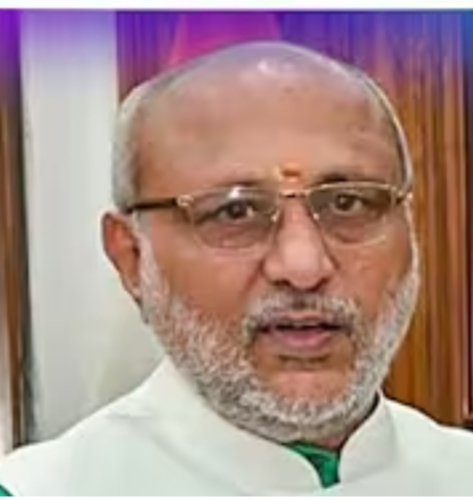
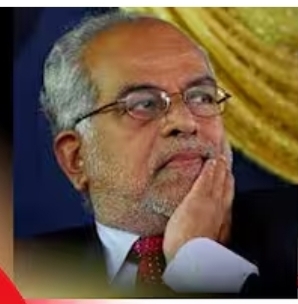
The contest pits the NDA’s nominee, Radhakrishnan – a figure closely aligned with the Rastriya Swayamsevak Sangh (RSS) and perceived as a loyalist to Prime Minister Narendra Modi – against Justice Reddy, a former judge backed by the Indian National Developmental Inclusive Alliance (INDIA). While the numbers favour Radhakrishnan, internal fissures in the BJP and unease among NDA allies have turned this into a nail-biter, raising questions about Modi’s grip on power and the stability of his government.
Cracks in the Coalition: The Spector of Cross-Voting
The BJP’s dominance has long been attributed to Modi’s charisma and Home Minister Amit Shah’s strategic acumen. However, recent developments have eroded this aura. Allegations of electoral irregularities in past polls have sown doubt among lawmakers, diminishing the fear factor that once kept the ranks in line. Sources indicate that Modi and Shah are personally reaching out to MPs, a sign of desperation unusual for leaders known for their iron-fisted control.
Cross-voting, where MPs vote against their party’s candidate in the secret ballot, is the wildcard here.
For Radhakrishnan to lose, at least 36 NDA lawmakers would need to defect – a tall order, but not impossible given the reported divisions.
Within the BJP itself, a significant portion of MPs are not rooted in the RSS ideology and maintain independent vote banks. These members, feeling liberated from Modi’s once-unassailable image, might vote their conscience, especially if they view Radhakrishnan as an RSS “candidate”overly tilted toward the prime minister.
NDA allies add another layer of uncertainty. Chandrababu Naidu’s Telugu Desam Party (TDP) has been rumoured to harbour reservations, with some suggesting its MPs could swing toward Reddy. The Biju Janata Dal (BJD), though not formally aligned, has maintained a neutral stance, rebuffing overtures from both sides. Other smaller partners, nursing grievances over policy decisions and power-sharing, might see this as an opportunity to signal discontent without fully breaking ranks.
The Opposition, meanwhile, is aggressively lobbying. Justice Reddy, leveraging his judicial background and reputation for integrity, has been in direct contact with NDA allies, emphasizing his non-partisan credentials. INDIA needs to bridge a gap of about 39 votes, but with 5-10 additional crossovers, combined with potential abstentions or invalid votes, the math could shift dramatically.
A Lose-Lose Proposition for Modi and Shah
For Modi and Shah, tomorrow’s outcome is fraught with peril, regardless of the result.
A victory for Radhakrishnan with a razor-thin margin – say, below the expected 427 – would expose the coalition’s vulnerabilities.
It would confirm internal opposition, signaling a waning of the duo’s authority within the BJP and the broader NDA. Such a reduced tally could embolden dissenters, accelerating a downward slide that began with recent electoral setbacks.
Even a win might not stem the tide. The BJP’s reliance on Shah’s tactics – often likened to those of the ancient strategist Chanakya – has come under scrutiny. If cross-voting materializes, it would underscore that the party’s successes were not solely due to Modi’s persona but other factors now under a cloud. This could diminish Shah’s utility, leading to deeper intra-party rifts and questions about the leadership’s longevity.
The RSS, the ideological parent of the BJP, looms large in this equation. While publicly supportive of the government, there are indications that the organization is wary of Radhakrishnan’s elevation, viewing him as a rogue element too aligned with Modi. The RSS has historically sought to balance power within the party, and clipping Modi’s wings could be part of a broader strategy to reassert influence.
If RSS sympathizers among BJP MPs cross-vote, it could tip the scales toward Reddy.
The Path to a Surprise Win: Numbers and Narratives
Let’s crunch the numbers: The vice-presidential electoral college comprises members from both houses of Parliament, totaling around 780 votes, though vacancies and abstentions could alter the effective majority. The NDA’s 427 gives it a buffer, but INDIA’s 353 means that 36 cross-votes (assuming full turnout) would hand victory to Reddy.
The buzz in political circles points to 40-45 potential defectors, primarily from the BJP’s non-RSS faction. These MPs, unburdened by ideological loyalty, might prioritize national interest or personal calculations. Add in a handful from allies like the TDP, and the Opposition could muster the extra 5-10 needed.
Campaigning has been intense, with both sides resorting to unconventional tactics. Reports of the BJP attempting to “buy” Opposition votes have surfaced, while NDA members are under strict surveillance. Shah’s outreach to even Samajwadi Party MPs highlights the panic.
On the flip side, Reddy’s lobbying emphasizes unity and constitutional values, appealing to lawmakers disillusioned with the current regime’s style.
If cross-voting reaches critical mass, Reddy’s win would not just be a numerical upset but a narrative triumph for the Opposition, portraying it as a defender of democratic norms against perceived authoritarianism.
Political Fallout: An Avalanche of Consequences
Should Justice Reddy emerge victorious on September 9, the repercussions would reverberate through India’s political ecosystem. Immediately, it would shatter the myth of Modi’s invincibility, triggering an “avalanche of troubles” for the government. Dissent within the BJP could erupt into open rebellion, with calls for leadership changes gaining traction.
A no-confidence motion in the Lok Sabha might follow, though its success is uncertain. For it to pass, the Opposition would need support from NDA allies like Naidu’s TDP. Naidu, a pragmatic operator, would only withdraw if assured of a viable alternative government. However, a Reddy win could create a cascading effect: If one ally bolts, others might follow, fearing isolation in a shifting alliance.
The fallout could extend to state politics. In Bihar, where the BJP faces bleak prospects in upcoming elections, a vice-presidential loss might embolden regional players to realign. Nationally, it would boost INDIA’s morale, positioning it as a credible challenger ahead of future polls.
For Modi and Shah personally, the hit would be profound. Modi’s “holier-than-thou” image, already dented, would suffer further, while Shah’s reputation as a master tactician could crumble. Accusations of criminal overreach in elections might resurface, potentially leading to legal scrutiny and even demands for the BJP’s restructuring or bans on certain practices.
Broader implications include a reinvigorated Parliament. As vice president, Reddy would preside over the Rajya Sabha, influencing debates and possibly checking executive overreach.
This could foster a more balanced federalism, with states feeling empowered against central dominance.
Yet, the duo’s resilience should not be underestimated. They might double down on consolidation efforts, using the loss to rally the base around a narrative of betrayal. Economic policies or foreign affairs triumphs could be leveraged to regain ground.
In the longer term, a surprise win for Reddy might accelerate India’s political realignment. The RSS could push for a post-Modi era, grooming new leaders less dependent on personality cults.
For the Opposition, it would validate coalition-building, encouraging unity against fragmented right-wing forces.
As the nation awaits the results, one thing is clear: Tomorrow’s election is more than a ceremonial vote. It’s a litmus test for Modi’s era, with cross-voting potentially heralding a new chapter in Indian democracy. Whether Radhakrishnan sails through or Reddy stages an upset, the outcome will shape the political narrative for years to come.
Hasnain Naqvi is a former member of the history faculty at St. Xavier’s College, Mumbai

~Hasnain Naqvi is a former member of the history faculty at St. Xavier’s College, Mumbai