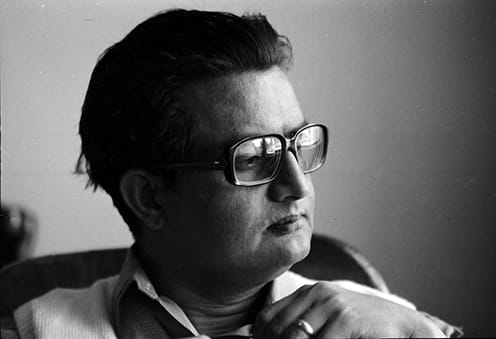

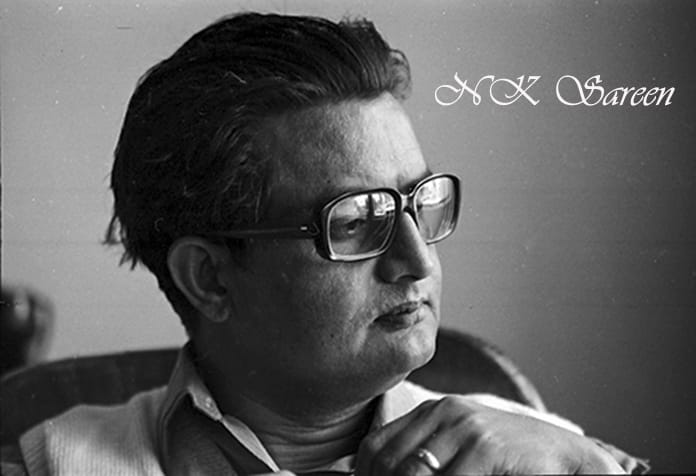
Manohar Shyam Joshi
Manohar Shyam Joshi (1933–2006) occupies a rare and enduring place in India’s cultural history. A gifted Hindi writer, journalist, editor, and scriptwriter, he is best remembered as the creator of Hum Log (1984), India’s first television soap opera, and later classics such as Buniyaad, Kakaji Kahin—a sharp political satire—and Kyaap, the novel that earned him the Sahitya Akademi Award. Long before satellite television and streaming platforms reshaped Indian viewing habits, Joshi laid the foundations of serial storytelling that spoke directly to the lived realities of ordinary Indians. For this reason, he is often rightly called the father of Indian soap operas.
In the 1980s, when Doordarshan was the country’s only television channel, Hum Log and Buniyaad were broadcast just once a week. Yet their impact was extraordinary. Entire households would rearrange their routines around broadcast time. Housewives paused kitchen work, family conversations fell silent, and even daily-wage workers made it a point to return home early. Streets emptied, and living rooms filled. Such was Joshi’s narrative power—he made characters feel like family members and social issues feel intimate, urgent, and personal.
Beyond television, Joshi was a formidable editor. At one point, he simultaneously edited two Hindustan Times weeklies: the Hindi Saptahik Hindustan and the English Morning Echo. This demanding dual role revealed his remarkable work ethic and his deep respect for journalism as a visual and literary craft. During those years, my photographs were extensively used across both publications—on covers, back pages, full-page features, and centre spreads. This professional collaboration gradually evolved into a warm camaraderie.
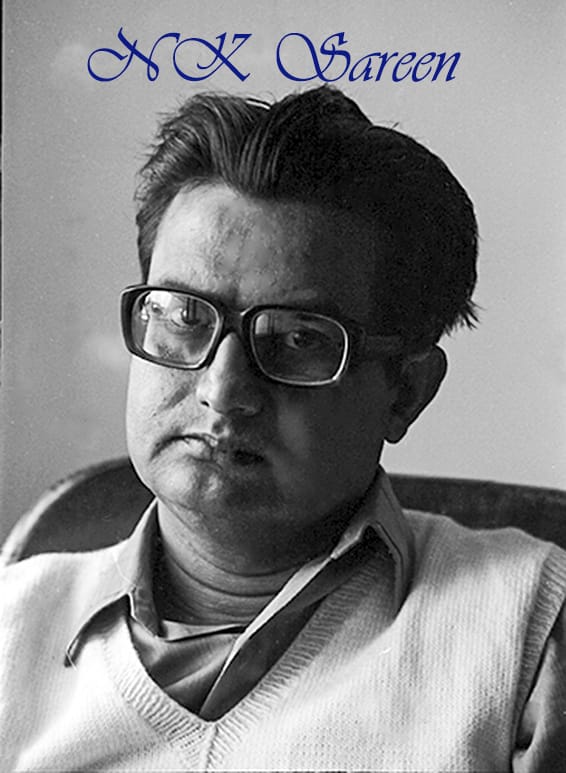
Joshi worked from a large office tucked away beyond the main newsroom, where most of the Hindi weekly staff sat. Despite his stature, there was nothing distant or intimidating about him. Whenever I needed to discuss an assignment or suggest visuals, I could simply walk into his office. Almost invariably, he would rise from his chair, place a gentle hand on my shoulder, and say, “Let’s go to the canteen.” A floor below, over cups of tea and snacks, we would discuss upcoming stories, characters to be photographed, or images he wanted sourced from my archives. Those informal conversations were his way of working—collaborative, trusting, and deeply human.
Over time, I became a frequent presence in the Hindustan Times building on Kasturba Gandhi Marg. Joshi had a small inner circle at work—two of his favourite colleagues, the layout artist and the cartoonist. I was the only outsider he routinely included in this group. Whenever he needed a photograph, he would either call me directly or leave a message with one of them. The four of us were often seen together heading to the canteen, which led to good-natured jealousy among other staffers, who jokingly referred to us as “the group of four.”
What made this bond special was Joshi’s unwavering faith in creative instinct. Despite having several in-house photographers and access to many capable cameramen, he repeatedly entrusted me with major visual assignments. On one remarkable occasion, he asked me to identify real-life “characters” and shoot all the photographs— including the cover—to illustrate an entire novel published in a single issue of Saptahik Hindustan. Such confidence from an editor of his stature was both humbling and inspiring.
Years later, after he had stepped away from editorship to focus entirely on novels, screenplays, and literary pursuits, I met him again at the International Film Festival of India in Delhi. There, he introduced me to Kamal Haasan as “a very famous and great photographer.” The generosity of that gesture stayed with me. Despite his achievements and acclaim, Manohar Shyam Joshi remained profoundly genial, modest, and encouraging. He even invited me to visit his home someday—a gesture that touched my heart.
Joshi is no longer with us. But the memory of his genius and humility lives on .
(The writer is a renowned Photo Journalist)