

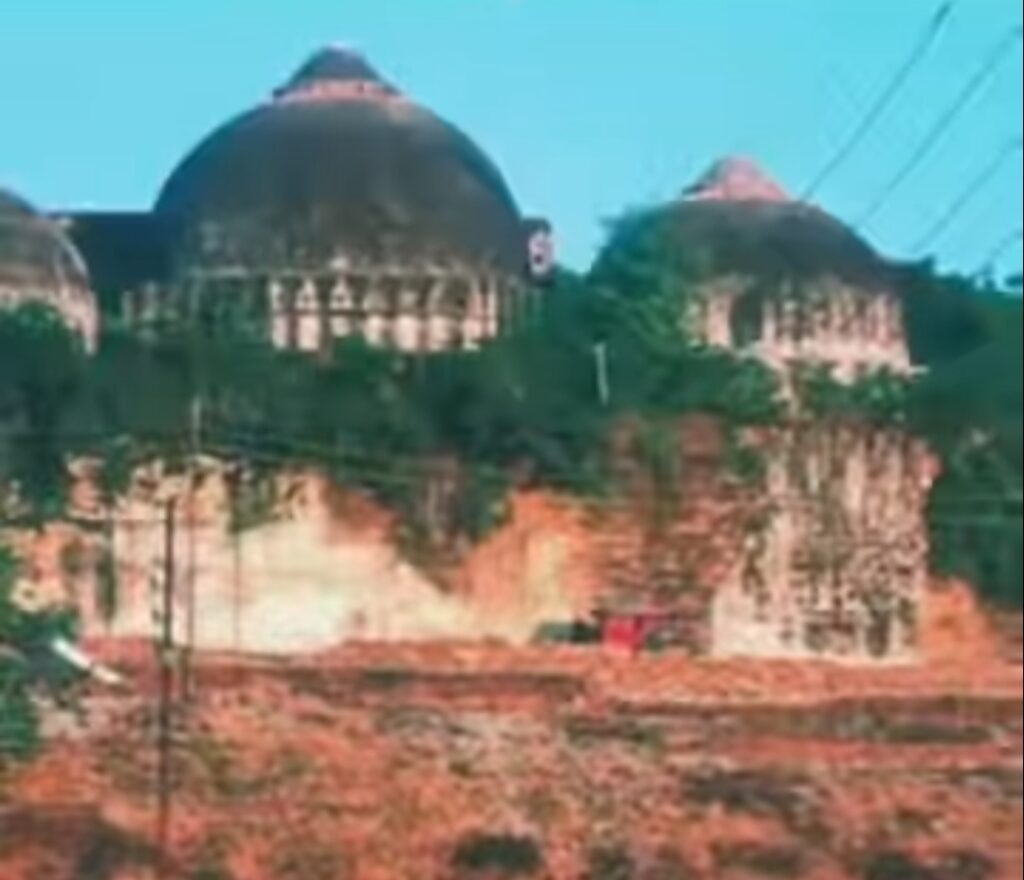
On December 6th, the calendar turns to a date etched in India’s modern history not by pride, but by profound sorrow. It marks the day, three decades ago, when a historic structure fell—and, more tragically, when a foundational idea of the Indian Republic, the sanctity of shared space and secular tolerance, was violently fractured.
Eminent Urdu poet Kaifi Azmi, a witness and chronicler of his age, captured this national anguish with devastating clarity in his poem Doosra Ban-baas (The Second Exile). Azmi’s verses do not simply mourn the loss of a mosque; they mourn the supposed second exile of Lord Ram himself, suggesting that the deity was repulsed by the very madness enacted in his name.
“Raqs-e-dīvāngī āñgan meñ jo dekhā hogā,
chhe December ko Shrī Raam ne sochā hogā:
Itne dīvāne kahāñ se mire ghar meñ aa.e?”
(When he must have seen the dance of madness that December 6, it must have crossed his mind: From where have so many demented ones landed on my home?)
Azmi invokes the ultimate metaphor of an exiled king returning home only to find the welcome turned into a grotesque spectacle of desecration. The “dance of madness” was a frenzy of demolition and hate, not devotion. The question is painfully direct: If the deity himself would find the acts performed in his honour to be the work of demented ones, what does that say of the event? In the poet’s telling, the Lord of Ayodhya, finding his sacred ground poisoned by hatred, chooses to leave again—condemning himself to a second exile.
“Paañv Sarjū meñ abhī Raam ne dho.e bhī na the,
ki nazar aa.e vahāñ ḳhuun ke gahre dhabbe.”
(Lord Ram had not even washed his feet in the Saryu waters when he saw deep blots of blood.)
Ayodhya, the mythical seat of Ram’s benevolent reign, is inseparable from the sacred Saryu. In Azmi’s vision, Ram, returning from his fourteen-year exile, attempts the ritual cleansing in the river but finds its waters sullied by the violence of December 6th. These “deep blots of blood” represent more than communal strife; they signify the moral contamination of a city and a nation.
“Pyaar kī kāhkashāñ letī thī añgḌā.ī jahāñ,
moḌ nafrat ke usī rāhguzar meñ aa.e.”
(The river waters where thousands of stars of love meandered, instead now took turns of violence and hatred.)
Ayodhya—once a symbol of harmonious coexistence—had been transformed into a pathway of hostility. What was lost on that day was not merely an architectural structure; it was a shared civilisational memory, a cultural bridge painstakingly built over centuries. Azmi mourns the deliberate replacement of fraternity with enmity, of shared heritage with polarising narratives.
This despair reaches its sharpest edge when the poet confronts the twisted rationalisations offered for the violence:
“Shākāhārī the mere dost tumhāre ḳhanjar.
Tum ne Bābar kī taraf pheñke the saare patthar.
Hai mire sar kī ḳhatā, zaḳhm jo sar meñ aa.e.”
(Your sword, my friend, is vegetarian. You threw towards Babar all the stones. It is my head’s fault that, instead, it bleeds.)
Here Azmi offers one of the most scathing indictments of communal rhetoric. The bitter irony of a “vegetarian sword” exposes the hypocrisy of those who preach virtue while perpetrating violence. The stones supposedly hurled at Babur—dead for centuries—fell instead on the heads of living citizens. The poet’s self-blame, “it is my head’s fault,” exposes the cruel inversion by which the victim’s mere existence becomes the provocation.
Finally, Azmi delivers the poem’s devastating conclusion:
“Rājdhānī kī fazā aa.ī nahīñ raas mujhe,
chhe December ko milā dūsrā ban-bās mujhe!”
(The state of my own capital city no longer suits me; this December 6, I have been condemned to a second exile!)
In these lines, it is Ram—the embodiment of justice and moral rectitude—who declares the atmosphere of his own capital unworthy. He leaves again, not out of punishment, but out of profound disappointment. This Doosra Ban-baas is Azmi’s most powerful comment: the true casualty of December 6th was not just a structure or a community, but the moral authority and spiritual ethos of the nation.
The day the Babri Masjid fell, the idea of India as a welcoming home for all faiths was itself exiled.
On another anniversary of this national tragedy, Azmi’s words echo with renewed urgency: the cost of December 6th was paid not in bricks and mortar, but in the lost soul of a shared nation. We must ask whether we have yet been able to welcome Lord Ram—and with him the spirit of justice, dignity, and harmony—back home.
Hasnain Naqvi is a former member of the history faculty at St. Xavier’s College, Mumbai
…………………………
PS: Kaifi Azmi’s original poem shared below is only for reference and not for publication:
Kaifi Azmi’s poem ‘Doosra Ban-baas’, lamenting the collapse of the idea of India which he mournfully described as “The Second Exile” of Lord Ram.
दूसरा बनवास
~कैफ़ी आज़मी
‘’राम बनवास से जब लौट के घर में आये,
याद जंगल बहुत आया जो नगर में आए
रक्स से दीवानगी आँगन में जो देखा होगा
६ दिसंबर को श्री राम ने सोचा होगा
इतने दीवाने कहाँ से मेरे घर में आये ?
जगमगाते थे जहाँ राम के क़दमों के निशां
प्यार की कहकशां लेती थी अंगडाई जहाँ
मोड़ नफरत के उसी राहगुज़र में आये
धर्म क्या उनका था? क्या ज़ात थी? यह जानता कौन?
घर न जलता तो उन्हें रात में पहचानता कौन?
घर जलाने को मेरा, लोग जो घर में आये
शाकाहारी थे मेरे दोस्त तुम्हारे खंजर
तुमने बाबर की तरफ फेकें थे सारे पत्थर,
है मेरे सर की खता, जख्म जो सर में आये
पाँव सरयू में अभी राम ने धोये भी न थे
के नज़र आये वहां खून के गहरे धब्बे,
पाँव धोये बिना सरयू के किनारे से उठे
राम यह कहते हुए आपने द्वारे से उठे
राजधानी की फिजा आई नहीं रास मुझे,
६ दिसंबर को मिला दूसरा बनवास मुझे’’!
dusra ban-bas
~KAIFI AZMI
raam ban-bās se jab lauT ke ghar meñ aa.e
yaad jañgal bahut aayā jo nagar meñ aa.e
raqs-e-dīvāngī āñgan meñ jo dekhā hogā
chhe december ko shrī raam ne sochā hogā
itne dīvāne kahāñ se mire ghar meñ aa.e
jagmagāte the jahāñ raam ke qadmoñ ke nishāñ
pyaar kī kāhkashāñ letī thī añgḌā.ī jahāñ
moḌ nafrat ke usī rāhguzar meñ aa.e
dharm kyā un kā thaa, kyā zaat thii, ye jāntā kaun
ghar na jaltā to unheñ raat meñ pahchāntā kaun
ghar jalāne ko mirā log jo ghar meñ aa.e
shākāhārī the mere dost tumhāre ḳhanjar
tum ne bābar kī taraf pheñke the saare patthar
hai mire sar kī ḳhatā, zaḳhm jo sar meñ aa.e
paañv sarjū meñ abhī raam ne dho.e bhī na the
ki nazar aa.e vahāñ ḳhuun ke gahre dhabbe
paañv dho.e binā sarjū ke kināre se uThe
raam ye kahte hue apne dvāre se uThe
rājdhānī kī fazā aa.ī nahīñ raas mujhe
chhe december ko milā dūsrā ban-bās mujhe
Translation:
The Second Exile
~ Kaifi Azmi
That evening when Lord Ram returned to his home
He remembered the jungles where he had spent his years of exile
When he must have seen the dance of madness that December 6
It must have crossed his mind
From where have so many demented ones landed on my home
Wherever he had stepped and his footprints had shone
The river waters where thousands of stars of love meandered
Instead now took turns of violence and hatred
What is their religion, what is their caste, who knows?
Had the house not burnt, who would have known the faces
Of those who came to burn my house
Your sword, my friend, is vegetarian.
You threw towards Babar all the stones
It is my head’s fault that,
instead, it bleeds
Lord Ram had not even washed his feet in the Saryu waters
When he saw deep blots of blood.
Getting up without washing his feet in the waters
Lord Ram left the precincts of his own residence, bemoaning,
The state of my own capital city no longer suits me
This December 6, I have been condemned to a second exile!

~Hasnain Naqvi is a former member of the history faculty at St. Xavier’s College, Mumbai

