

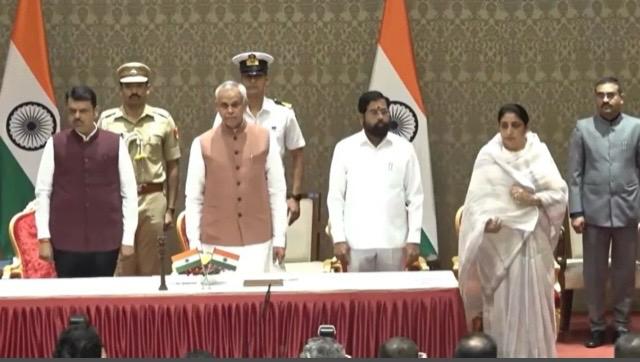
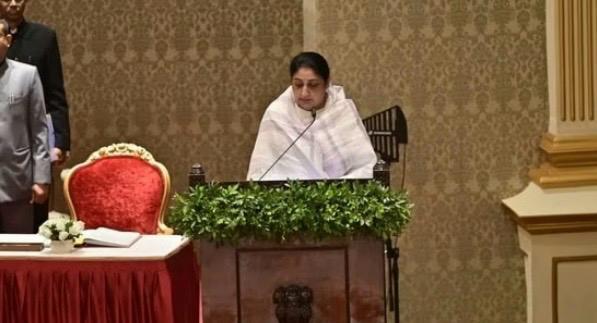
The smoke from the crash site in Baramati had barely settled when the dust was kicked up at Lok Bhavan in Mumbai. In a state that has seen its fair share of political acrobatics, the events following the tragic demise of Ajit Pawar on January 28, 2026, have set a new, albeit somber, record for speed. By Saturday afternoon, January 31, Sunetra Pawar was sworn in as Deputy Chief Minister, replacing her husband before the traditional thirteen days of mourning—the Terahvi—could even begin.
In the high-stakes theatre of Maharashtra politics, the transition from grief to governance was not just swift; it was clinical.
The Unseemly Haste: Traditions in the Rearview Mirror
The primary question reverberating through the corridors of Mantralaya is: why the hurry? In a society where Sanatan Dharma traditions like Sutak and Terahvi hold profound social and spiritual significance, the decision to hold a swearing-in ceremony within 72 hours of a family tragedy is jarring.
While the administrative machinery must move on, the optics of a widow assuming office before the “purification” rituals are complete suggests a profound anxiety within the ruling Mahayuti alliance. Was this haste a product of Chief Minister Devendra Fadnavis and Deputy CM Eknath Shinde’s fear of a power vacuum, or a calculated strike to preempt a tectonic shift in the state’s political alignment?
Blocking the Bridge: The Merger That Wasn’t
The most compelling explanation for this urgency lies in the existential threat of a “Reunited NCP.” Following Ajit Pawar’s sudden exit, the emotional pull for the two factions to merge under the patriarch, Sharad Pawar, was at its peak. A reunited NCP would have not only shifted the balance of power within the state but could have fundamentally destabilized the current coalition.
By swearing in Sunetra Pawar immediately, the Mahayuti has effectively “locked” the NCP (Ajit faction) in place. It secures the party’s assets, its legislative strength, and its claim to the legacy of “Dada” before the rank and file could look toward the Silver Oak residence for leadership. Sharad Pawar’s stark admission—that he was kept in the dark and learned of the appointment via media reports—speaks volumes. The bridge between the two families has not just been burned; it has been bypassed entirely.
Legacy vs. Experience: The Burden on Sunetra Pawar
Sunetra Pawar is no stranger to public life, having served as a Rajya Sabha MP and a social worker in the Baramati ecosystem. However, the executive role of a Deputy Chief Minister is a different beast entirely. Replacing a man known for his administrative “bullet-train” style—starting work at 6:00 AM and holding a vice-like grip on the finance and excise portfolios—is a Herculean task.
Her appointment raises the inevitable question of proxy politics. Is she being positioned as a leader in her own right, or as a placeholder to ensure the NCP’s 40 MLAs remain a cohesive unit within the government? The absence of Sharad Pawar and Supriya Sule from the ceremony underscores a deepening fracture. For the Pawar family, the political has finally, and perhaps irrevocably, overwritten the personal.
Who Gains in the Vacuum?
In the short term, the stability of the Fadnavis-led government is preserved. By integrating Sunetra Pawar into the cabinet, the BJP and the Shinde-led Sena have ensured that the NCP’s support remains transactional rather than emotional.
However, the cost of this manoeuvre may be felt in the upcoming Zilla Parishad and local body elections. Maharashtra’s electorate, often sensitive to the nuances of tradition and family dignity, may view this “low-key” haste as a sign of desperation rather than decisiveness. As the state moves toward a February budget session without its most seasoned finance minister, the “Baramati Model” of politics enters its most uncertain chapter yet.
The throne is occupied, but the mourning is far from over. Whether this move secures a legacy or merely manages a crisis will be the defining story of 2026.
~Hasnain Naqvi is a former member of the history faculty at St. Xavier’s College, Mumbai