

The successful rescue of a US F-15E Strike Eagle pilot and weapons systems officer (WSO) from Iranian territory marks a triumph of American resolve amid escalating conflict, but at an unprecedented financial toll estimated between $360 million and $400 million over 48 intense hours. This combat search and rescue (CSAR) operation, launched after Iranian forces downed the jet on April 3, 2026, now stands as the costliest in modern US military history, eclipsing prior missions through sheer hardware devastation.
Operation Timeline
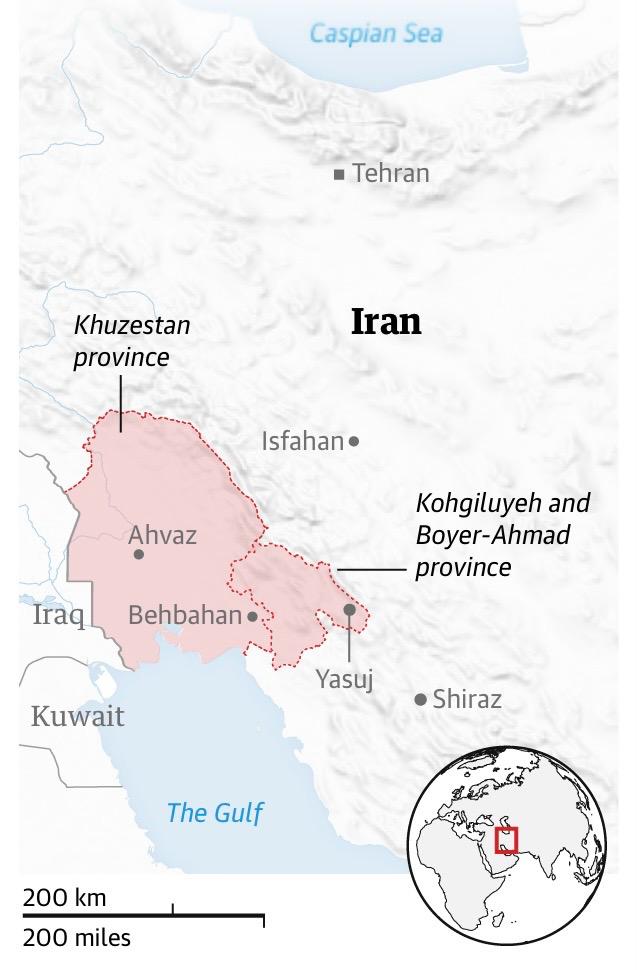
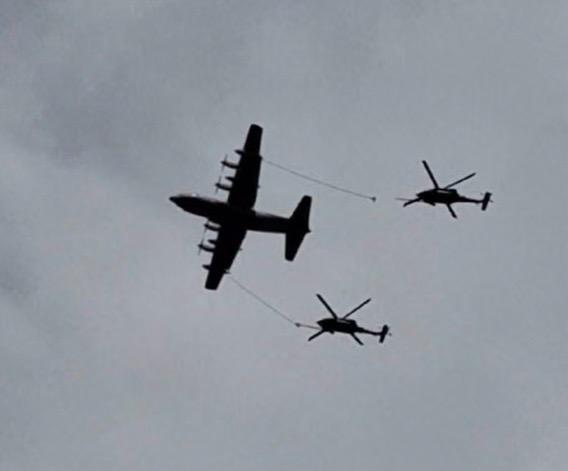
Iranian air defences struck the F-15E over southwestern Iran, forcing both crew to eject into hostile Zagros Mountains terrain controlled by local Bakhtiari tribesmen. US special operations, including Navy SEAL Team 6, deployed swiftly with air assets for extraction, outpacing Iranian hunters who offered a $60,000 bounty for capture. The pilot was recovered first via HH-60W Black Hawks under F-35 and F-15E escort; the WSO followed on April 5 after US forces bombed threats and fought off pursuers in a fierce mountain clash, with no American fatalities despite wounds to the WSO.
Hardware Toll
The mission claimed irreplaceable assets in a bid to deny Iran technological prizes.
Hardware sacrifices mounted rapidly to thwart Iranian capture of advanced tech: one F-15E Strike Eagle at about $95 million, a first-ever combat loss of an A-10C Thunderbolt II “Warthog” valued at $19 million after it was shot down, two MC-130J Commando IIs deliberately destroyed at $114 million each for a $228 million subtotal, plus at least two damaged HH-60 Black Hawks at roughly $10 million apiece and beyond—along with an MH-6 Little Bird and potential Reaper drone, all compounded by munitions and flight hours.
Additional losses included an MH-6 Little Bird helicopter and possibly a Reaper drone, pushing totals higher when factoring operational hours and munitions.
Historical Context
Past CSARs pale in comparison: the 1980 Iran hostage raid cost eight lives and two aircraft without rescues, while Vietnam-era efforts like the 1965 Scott O’Grady recovery ran millions but lacked this scale of fixed-wing losses. This 2026 feat, amid President Trump’s reelected push against Iran, underscores evolving warfare where special ops penetrate deep, but at soaring replaceable-asset prices.
Strategic Implications
“No man left behind” embodies US ethos, yet this op exposes vulnerabilities in high-end gear against low-tech foes like rifle-armed nomads. With cumulative war losses topping $3 billion including 16 Reapers, fiscal scrutiny mounts as Trump touts “WE GOT HIM!” on social media—bravery affirmed, but taxpayers foot a bill rivaling small fleets.
As the Iran conflict grinds on, such rescues affirm commitment while questioning sustainability in an era of $100 million jets.
Picture credit social media

~Hasnain Naqvi is a former member of the history faculty at St. Xavier’s College, Mumbai

