

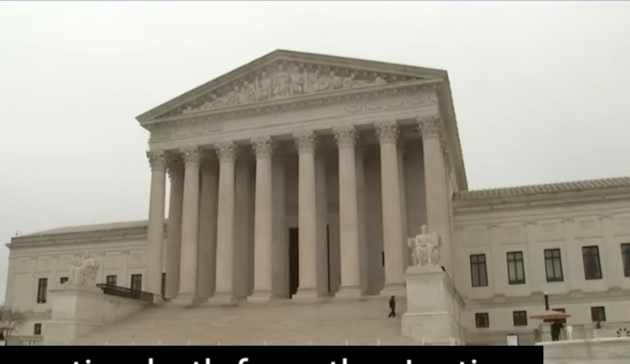
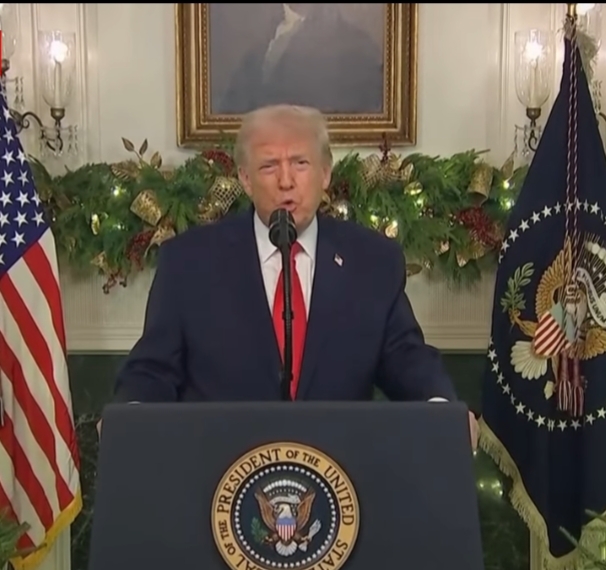
NEW DELHI ,5 March 2026 : A trade court in the US has directed federal authorities to begin refunding tariffs collected under president Donald Trump’s global import duties that were invalidated by the Supreme Court last month, marking a significant development in a legal battle involving billions of dollars.
Judge Richard Eaton of the US Court of International Trade ruled on Wednesday that importers who paid duties imposed under the International Emergency Economic Powers Act (IEEPA) must be allowed to benefit from the Supreme Court’s decision striking down the tariffs. According to media reports, the judge instructed US customs and border protection (CBP) to begin taking steps to process refunds.
The order came in response to a lawsuit filed by Tennessee-based filtration manufacturer Atmus Filtration, which argued that the tariffs were unlawfully collected. However, judge Eaton indicated that the relief should extend to all importers affected by the duties.
Reuters reported that more than 2,000 similar cases have been filed in the trade court by companies seeking reimbursement.
The Supreme Court had ruled last month that the administration could not rely on the 1977 IEEPA law to impose sweeping import tariffs on goods from several countries. While the court invalidated the duties, it did not specify how or whether the government should return the money collected from businesses.
Judge Eaton’s ruling now directs customs authorities to treat the affected shipments as if the tariffs had never been imposed. In practical terms, CBP will have to finalise the cost of importing those goods without the disputed duties, resulting in refunds for importers.
CNBC reported that the judge also said the refunds should include interest.
The process could involve massive administrative work. Customs officials previously told the court that reviewing the transactions could require manual examination of more than 70mn (million) import entries, calling the scale of the task unprecedented. The agency had requested up to four months to determine how the repayments might be carried out, according to media reports.
Despite the government’s concerns, the judge suggested that the refund mechanism should be feasible using existing systems. During a court hearing, judge Eaton noted that the agency regularly issues refunds when importers overpay duties and said similar procedures could be used in this case.
The tariffs in question are a key component of president Trump’s trade policy and generated substantial revenue. The US government has reportedly collected more than US$130bn (billion) from duties imposed on a wide range of imported goods under the emergency powers law.
The ruling also underscores the scale of the dispute involving US businesses. Reports indicate that over 300,000 importers paid the tariffs, many of them small and medium-sized firms. Some companies, including logistics giant FedEx and appliance manufacturer Dyson, have already taken legal action to ensure they receive reimbursements, according to media reports.
The legal fight, however, may not be over. The Trump administration could challenge the trade court’s order in a higher court. Some officials have also suggested that disputes over refunds could trigger prolonged litigation.
Further hearings are scheduled in the coming days to review the government’s plans for implementing the repayment process. Judge Eaton has also indicated that he will oversee the handling of refund cases in the trade court to avoid thousands of individual proceedings.
Meanwhile, the administration is already exploring alternative tariff policies. Treasury secretary Scott Bessent said the government may raise a new global tariff rate to 15% from the current 10% in the coming days, according to CNBC.
Pictures credit social media