

Senior citizens in India facing multiple chronic diseases and health challenges have something to cheer about. Boston based Porosome Therapeutics Inc (PTI), which made a major breakthrough in Alzheimer’s disease (AD) research; last month entered into a global drug development partnership with the Indian government managed Council of Scientific and Industrial Research (CSIR).
The partnership primarily aims at the collaboration, co-development and licensing of new and novel drugs. The CSIR announcement highlighted priority domains for collaboration with PTI: viral infections, Alzheimer’s disease, neurological diseases, cystic fibrosis, Type 1 and 2 diabetes, Chronic Obstructive Pulmonary Disease (COPD) and lung cancer.
The porosome, discovered by Porosome Therapeutics Chairman Prof. Bhanu P. Jena, is the secretory portal of the cell. Changes in proteins comprising the porosome lead to a broad range of secretory diseases. Porosome Therapeutics has developed a wide range of therapies ranging from small molecules and peptides to biologics that introduce functional porosomes into diseased cells to overcome secretory defects and treat diseases, even reversing them. The discovery of the ‘porosome’, the cell’s secretory apparatus, has provided a platform for entry into a new era in drug development and therapy. The porosome has been isolated, its structure and composition determined, and it has been functionally reconstituted into live cells.
In 2025, Porosome Therapeutics announced the determination, for the first time, of the porosome-mediated secretory dysfunction responsible for Alzheimer’s Disease (AD). These new findings provided a window to the design and development of new peptide drugs and the identification of small molecules to both treat and reverse the disease. The Company’s cell line, animal and human organoid studies showed that, in addition to bringing back normalcy to both the structure and function of brain neurons, its products reduce the AD biomarker pTau217 and dissociate amyloid plaques, therefore moving beyond the traditional focus on just amyloid accumulation.
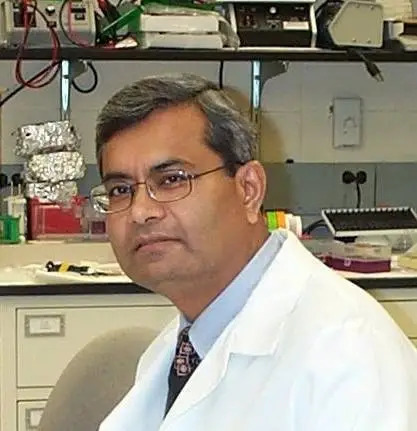
“We are delighted to partner with CSIR, one of the world’s leading research institutions, in translating the porosome discovery to treat many debilitating diseases. This partnership will be transformative,” said Professor Jena. Porosome Therapeutics has developed for the first time, a breakthrough disease reversal therapy for AD.
“We are pleased to join forces with CSIR, India’s leading research and development organization, to develop medicines to overcome chronic conditions and the associated economic and human cost,” said Guillermo Marmol, President and CEO, Porosome Therapeutics, Inc. “We believe that this unique partnership will infuse a powerful and enduring drug development platform beneficial to humanity.”
Globally, over 55 million people live with dementia, a group of brain disorders that impair memory, problem-solving, language, and other cognitive abilities. While some forms of dementia are treatable, most are progressive. Experts warn of a sharp rise over the coming decades, with most of the increase occurring in low and middle-income countries.
India’s population currently stands at 1.46 billion, with approximately 138 million people aged 60 and above—a number expected to reach 180 million by 2030. An estimated 100 to 110 million senior citizens (aged 60 and older) are affected by one or more of these major chronic and infectious health conditions, driven heavily by high metabolic and respiratory disease rates. Two in every three senior citizens in India suffer from some chronic disease, according to a Study by the Union Ministry of Family and Health Welfare. Approximately 7.4% to 8.8% of Indians aged 60+ live with some form of dementia, affecting roughly 5.5 million to 8.8 million senior citizens, Alzheimer’s accounts for nearly 70% of these cases.
PTI has identified the secretory dysfunction responsible for the disease and developing advanced therapeutic neuronal nanomachines. These innovations have the potential to revolutionise Alzheimer’s treatment and redefine research approaches beyond the traditional focus on amyloid accumulation.
About 14% to 20% of senior citizens in India suffer from diabetes. Notably, up to 8% of these elderly cases are undiagnosed, and rates are significantly higher in urban areas. The recently concluded agreement between PTI and CSIR entails safer drugs for Type 1 and 2 diabetes. Similarly, Prevalence of COPD is particularly high among the Indian elderly, with pooled meta-analysis figures showing approximately 27% of adults aged 60 and older are affected by the disease. Infectious disease emergencies, including respiratory viral infections, account for up to 30% of geriatric emergency room admissions in India due to age-related immune decline.
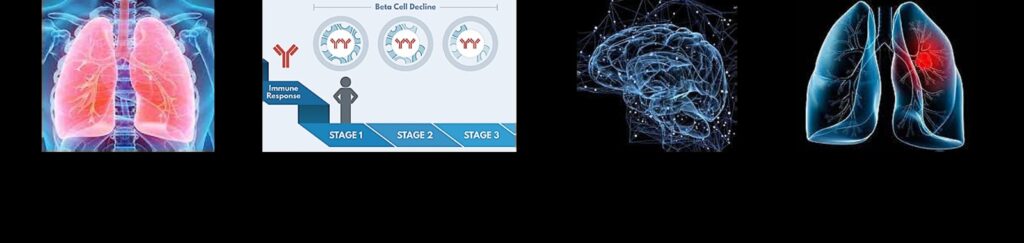
Managing multiple chronic diseases in senior citizens often requires taking five or more medications daily, which significantly increases the risk of adverse drug reactions, dangerous drug interactions, and accidental falls. “Many diseases, such as cystic fibrosis, Type I and Type II diabetes, neurological disorders, immune disorders and various cancers, result from secretory defects in the porosome. These diseases, including many of those that are due to undruggable porosome protein targets, can now be addressed by incorporating the native functional porosome machinery into diseased cells or by the precision-targeting of small molecules using nanobodies to modulate secretory disorder, thereby treating the disease”, Prof Jena explains.
An US Food & Drug Administration [FDA]-approved GRAS (Generally Recognized as Safe) small molecule for Alzheimer’s disease (AD) carries an Expected Net Present Value (eNPV) of $5 billion+ at the pre-clinical stage, scaling up to $20 billion+ upon successful Phase 3 completion. According to the Alzheimer’s Association in the United States, Alzheimer’s and other dementias cost $355 billion in 2021, and the cost could reach $1.1 trillion in 2050. The demand for Alzheimer’s drugs is huge in the United States, and the world market demand is much larger.
Porosome Therapeutics has developed for the first time, a breakthrough disease reversal therapy for AD. Similarly, the miracle drug Trikafta for cystic fibrosis (CF) that treats a fraction of the CF population generates over $13 billion revenue for the Boston-based Vertex Pharmaceutical. The drug developed by Porosome Therapeutics that received Orphan Drug Designation by the US FDA is twice as effective as Trikafta with much safer and less dosing.
Porosome Therapeutics, Inc., of Boston has established a subsidiary in India, “Porosome Therapeutics India Private Limited” moving both its AD and Cystic Fibrosis (CF) assets, amounting to over $10 billion dollars (953 billion rupee). This will take India from a leader in drug manufacturing to a global leader in new drug discovery and development, Prof Jena remarked.