

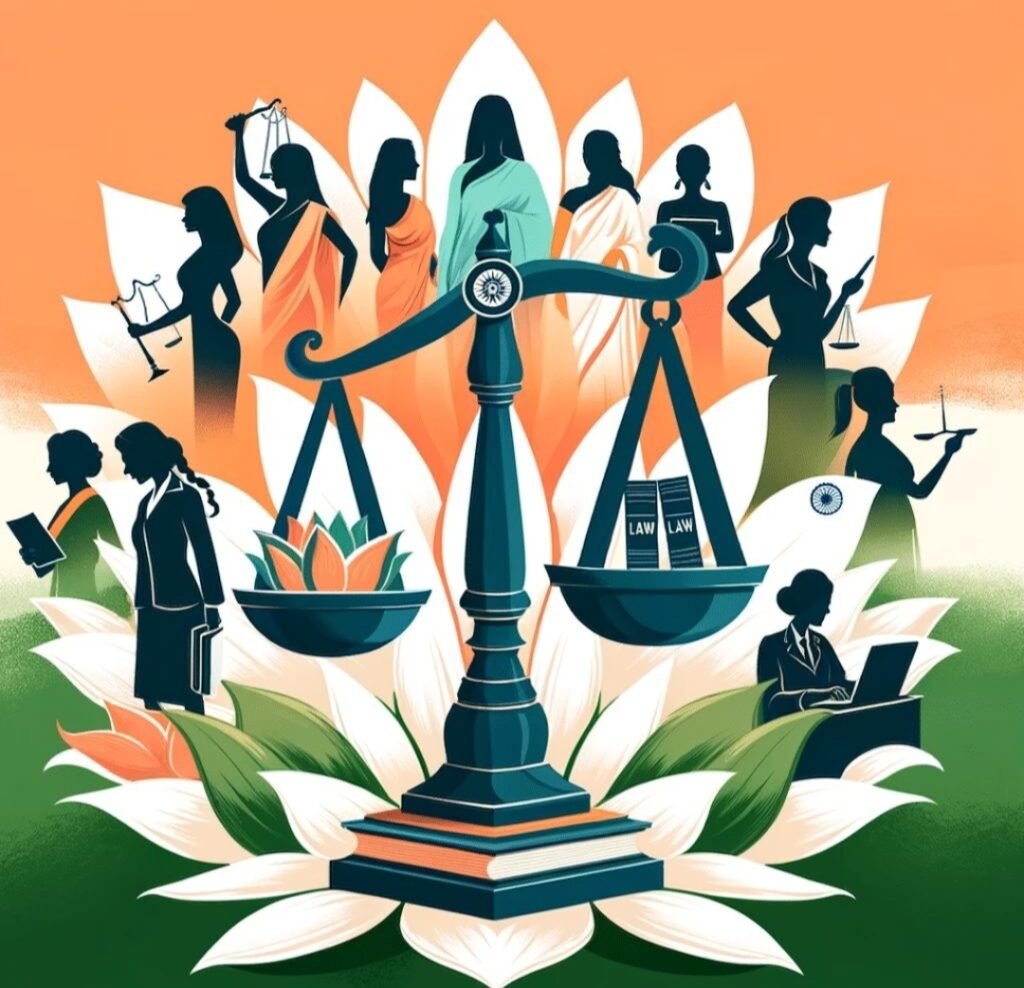
The ongoing three-day special session of Parliament (April 16–18) has laid bare a profound irony in Indian democracy. As the government moves to operationalize the long-awaited *Constitution (131st Amendment) Bill* to provide 33% reservation for women, it has inextricably lashed this progressive leap to the mast of the *Delimitation Bill, 2026*. By basing this exercise on the outdated *2011 Census* to meet a 2029 implementation deadline, the legislative package offers a masterclass in “bittersweet” reform: it finally invites women to the high table, but only by potentially rearranging the room to the detriment of the Southern states.
The Mirror of Representation: Merits and Perils
On the surface, the merit is undeniable. The *Nari Shakti Vandan Adhiniyam* officially notified into force yesterday on April 16, 2026, seeks to correct a historic gender imbalance. In a House where women currently occupy less than 15% of seats, the jump to a projected *272 seats* in an expanded Lok Sabha of *815* is a democratic necessity.
However, the “pitfall” lies in the strategic bundling. By decoupling the reservation from a fresh, post-2026 census and instead relying on 2011 data, the government is attempting a legislative shortcut that prioritizes optics over accuracy.
The Merit:
It ensures the 33% quota is not a “forever delayed” promise, making it a reality for the 2029 General Elections.
The Pitfall:
Using 15-year-old data to redraw the map of a 2026 India is statistically questionable. It risks creating constituencies that do not reflect the massive internal migration and urbanization of the last decade, effectively governing a “phantom” population.
The North-South Divide: A Federal Friction
The most stinging critique of these twin bills is their impact on India’s delicate federal balance. For decades, the Southern states—Tamil Nadu, Kerala, Karnataka, Andhra Pradesh, and Telangana—have been the champions of national goals: effective family planning and high human development.
The current Delimitation Bill, by reverting to population-proportionality, threatens to “penalize” these states for their success. If the Lok Sabha expands to 815 seats based on the 2011 population share, the Northern “Hindi Heartland” stands to be the overwhelming beneficiary.
“To link gender justice (Women’s Quota) with territorial representation (Delimitation) is to hold one half of the population hostage to the political geography of the other.”
According to current projections, the *Hindi Heartland’s share* of the House could rise from 38% to over 43%, while the *South’s share* would plummet from 24% to roughly 20%. This isn’t just a shift in numbers; it is a reduction in *political status*. A Southerner’s vote will essentially carry less weight in the Lok Sabha than a vote from the more populous North, undermining the principle of “one citizen, one vote, one value.”
Justice or Just a Calculation?
Are these bills skewed? The evidence suggests a heavy tilt. While the government argues that an expanded House allows for more women without “taking away” seats from men, the geographic distribution of those new seats favors states that lagged in population control.
Had the government implemented the quota within the *current 543 seats*, the “North-South” complication could have been avoided entirely. By simply designating one-third of existing constituencies for women on a rotational basis—as many opposition leaders and constitutional experts suggested—the gender gap could have been bridged without disturbing the federal equilibrium.
Instead, by insisting on expansion via delimitation, the state is asking the South to trade its political relevance for the nation’s social progress. In the hallowed halls of the New Parliament House this week, the question remains: Can we truly empower the women of India if, in the same breath, we disempower the states that have most successfully realized the Indian dream?
Symbolic picture used

~Hasnain Naqvi is a former member of the history faculty at St. Xavier’s College, Mumbai….
The opinions expressed here are solely those of the author.