

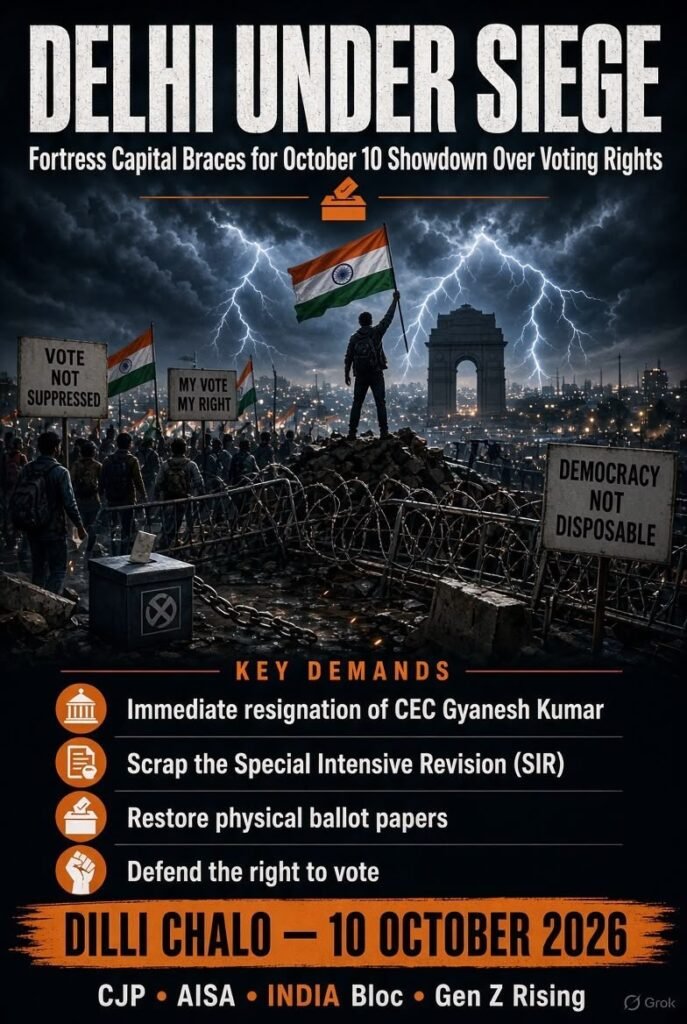
As multi-layered barricades choke the city’s arteries and security forces seal its borders, citizens, student groups and the opposition converge on a high-stakes demand: the resignation of Chief Election Commissioner Gyanesh Kumar and an end to the contested Special Intensive Revision of electoral rolls.
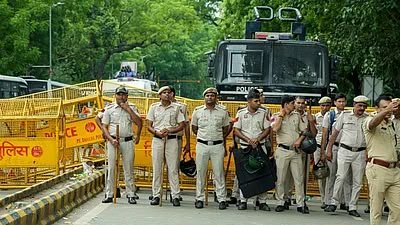
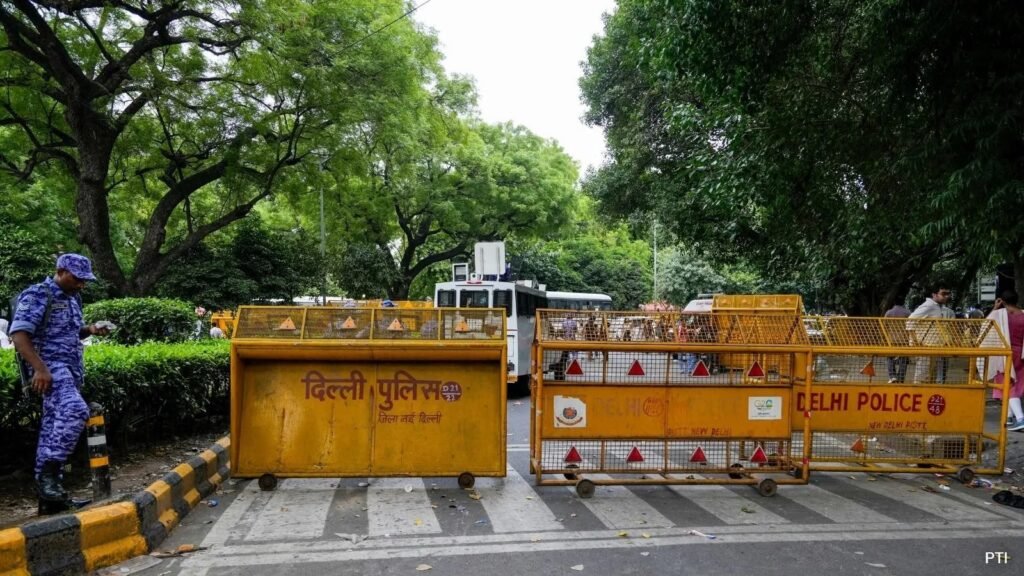
An eerie, suffocating silence has enveloped the national capital. Visually, New Delhi resembles less the vibrant political heart of the world’s largest democracy and more a fortified garrison town. Multi-layered iron barricades, concrete boulders, concertina wires and deep anti-riot trenches have cut off major arteries. The sky over Delhi is heavy, mirroring the political tempest that has been building across India for the past week.
Ever since 2 October 2026, the country has been rocked by relentless, widespread protests and demonstrations demanding the immediate resignation of Chief Election Commissioner (CEC) Gyanesh Kumar. At the core of this mass public fury is the outright scrapping of the highly controversial Special Intensive Revision (SIR) of electoral rolls—an exercise that critics allege has systematically disenfranchised millions of eligible citizens—and a fierce, non-negotiable demand to return to voting through physical ballot papers.
Now, all eyes are fixed on 10 October 2026. The “Dilli Chalo” call given by the Cockroach Janta Party (CJP) and an array of powerful civil society groups, including the All India Students’ Association (AISA) and other Left organisations, has set the stage for an unprecedented mass mobilisation. Concurrently, the Indian National Congress (INC) and its vibrant affiliates, the Indian Youth Congress (IYC) and NSUI, spearheaded by the Leader of the Opposition (LoP) Rahul Gandhi, alongside top leaders of the INDIA bloc, have maintained a high-voltage, sustained agitation. As the clock ticks down, the nation watches with bated breath, caught between the absolute determination of citizens to reclaim their voting rights and an iron-fisted state apparatus prepared for a massive crackdown.
The Genesis of Discontent: SIR and Form 6 Controversies
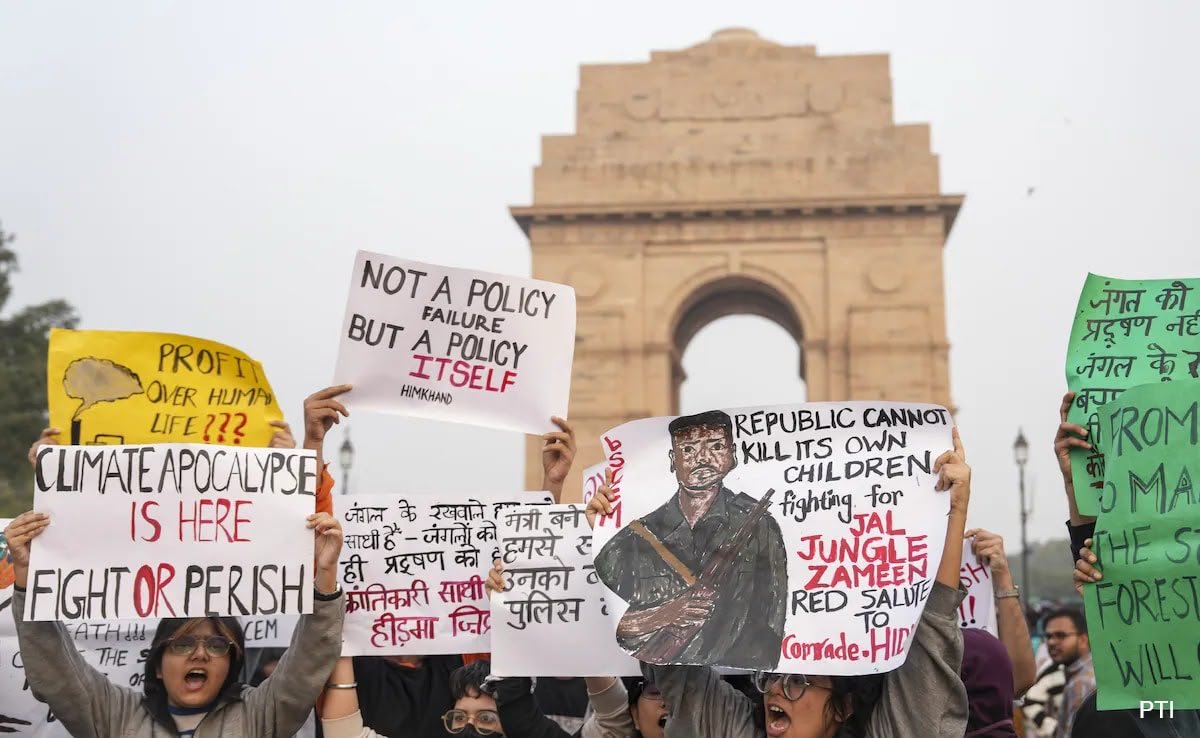
The current political firestorm is rooted in the implementation of the Special Intensive Revision (SIR). Intended as a periodic mechanism to clean up voter databases, independent watchdogs and digital news platforms have extensively highlighted the severe structural anomalies of the exercise.
Reports suggest that the rushed, non-transparent application of the SIR has resulted in the deletion of names on an unprecedented scale, with opposition leaders alleging that over 130 million citizens have found themselves abruptly stripped of their franchise. Booth Level Officers (BLOs) have reportedly deleted voters deemed “absent” without standard verification protocols or prior appointments, heavily impacting migrant workers, students and marginalised communities.
Compounding this institutional trust deficit are aggressive structural changes made to Form 6—the mandatory application for new voter registration. Critics argue that these procedural shifts have added layers of bureaucratic friction, making it immensely difficult for genuine citizens to enrol while leaving the system vulnerable to algorithmic manipulations. A flurry of writ petitions has flooded the Supreme Court and various High Courts, challenging the constitutional validity of the SIR, the unilateral changes in Form 6, and the overall functioning of the Election Commission of India (ECI). The petitioners argue that the absolute basis of free and fair elections has been compromised, turning the foundation of democracy into an exclusionary tool.
Institutional Fractures and Judicial Scrutiny
The crisis is no longer confined to the streets; it has triggered a profound institutional meltdown. Former Election Commissioners—including S.Y. Quraishi, Ashok Lavasa and O.P. Rawat—have voiced deeply concerning views regarding the eroding credibility of the poll body. Through analytical pieces, these former keepers of the democratic seal have pointed out that the public perception of the ECI’s absolute neutrality is at an all-time low.
More damningly, the Supreme Court has taken note of severe internal fractures within the ECI. Petitions currently under judicial scrutiny reveal that major administrative and technological decisions, including the rollout of the contested SIR, were pushed through by CEC Gyanesh Kumar without the formal concurrence or recorded minutes of the other two sitting Election Commissioners, Sukhbir Singh Sandhu and Vivek Joshi. Reportedly, at least 14 explicit internal objections were filed by the two commissioners between late 2025 and August 2026, which were entirely bypassed by the CEC.
This perceived autocracy within an independent constitutional body has drawn sharp remarks from the judiciary. Former Supreme Court judge Rohinton F. Nariman publicly warned against the systemic danger of an Election Commission acting as an executive rubber stamp. More recently, sitting Supreme Court judge Justice Ujjal Bhuyan emphasised during a crucial hearing that the right to association and peaceful protest is a fundamental, inalienable pillar of the Constitution, expressing serious concern over the preemptive “shutting down” of the capital.
A Week of Fury: Detentions, Clashes and Political Defiance
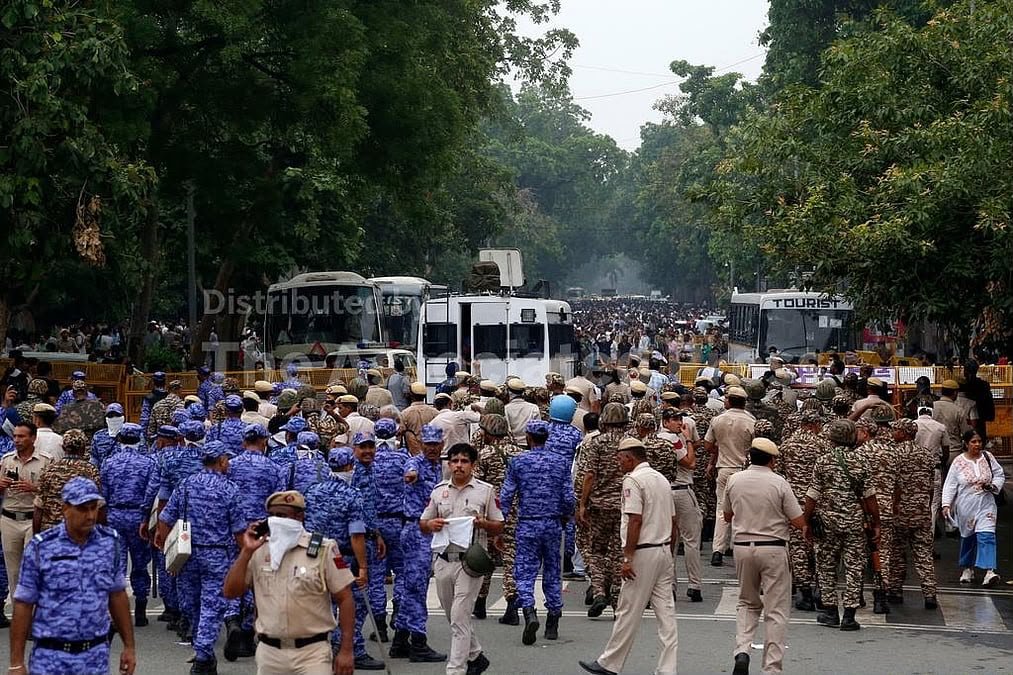
The past week has witnessed a stark escalation in the state’s response to dissent. From Mumbai to Kolkata and Bengaluru to New Delhi, citizens have poured onto the streets. In Delhi, the administration’s response has been unyielding. The Delhi Police, operating under stringent security protocols, has completely denied permission for any demonstrations, sit-ins or marches at designated protest sites, including the office of the Election Commission and the historic Jantar Mantar.
Despite the bans, the opposition has refused to back down. The Indian National Congress, flanked by its energetic youth cadres from the Youth Congress and the NSUI, has staged daily, high-profile demonstrations. Ground reports showed LoP Rahul Gandhi standing defiantly atop police barricades, holding the national flag high before being detained by security forces.
Prominent leaders across the INDIA bloc, including Mallikarjun Kharge and Priyanka Gandhi Vadra, have led massive satyagrahas at Raj Ghat, characterising the ECI’s actions as institutionalised voter theft. The clampdown has seen the widespread detention of opposition legislators, student leaders and civil society activists. The high-handed arrest of student leaders, including the manhandling of female activists by security forces, has only added fuel to the fire, turning a localised protest into a nationwide civil rights movement.
The entire movement is driven by a set of concrete, uncompromising demands aimed at restructuring the current electoral framework. Foremost among these is the immediate resignation of CEC Gyanesh Kumar due to his perceived bias and the bypassing of internal commissioners. Alongside this, protesters are fiercely calling for the total scrapping of the SIR exercise to rectify the alleged mass disenfranchisement of 130 million voters, a complete rollback of the Form 6 modifications to remove bureaucratic hurdles that prevent legitimate enrolment, and a definitive return to voting via physical ballot papers to restore public trust in the sanctity of the ballot.
The “Dilli Chalo” Mobilisation: Gen Z and the Left Unite
What makes the impending October 10 protest entirely unique is its grassroots, generational character. The Cockroach Janta Party (CJP), founded by young activists and co-convened by independent investigative voices, has successfully mobilised India’s Gen-Z population. Characterising the current electoral structure as a “broken system,” the CJP has formed a formidable coalition with Left-backed student organisations, including AISA, the Students’ Federation of India (SFI), the All India Students’ Federation (AISF), and the Aam Aadmi Party’s student wing, ASAP.
At a highly charged press conference at the Press Club of India, youth leaders issued a resounding “Dilli Chalo” call, urging citizens to flock to the capital by trains and flights, explicitly advising them to “come prepared for a long, sustained battle on the streets.” Prominent independent public figures, actors and commentators have actively thrown their weight behind the CJP’s “People’s Tribunal,” further amplifying the call to defend democracy. The youth movement has stated in unequivocal terms that they will not leave the streets of New Delhi until their demands for comprehensive ECI reforms are met.
Delhi Becomes a Garrison: Fears of Crackdown and Possible Clashes
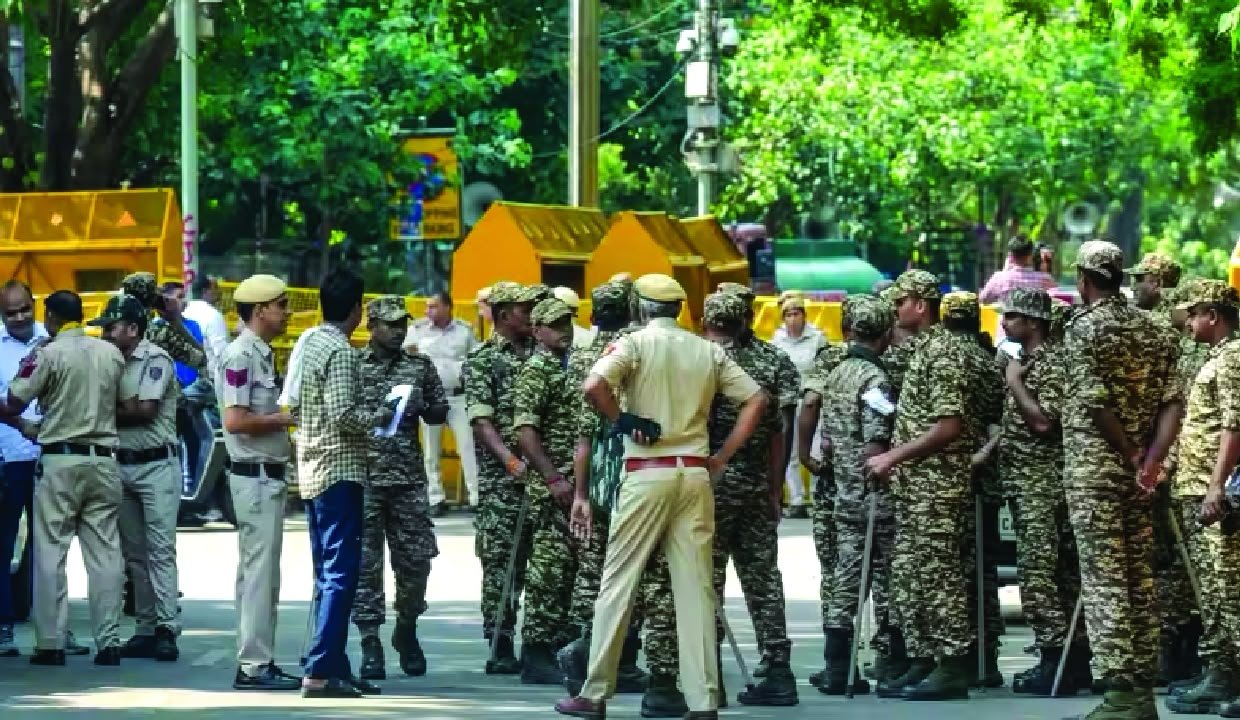
In anticipation of the massive influx of protesters on October 10, the Delhi Police and central administration have transformed the national capital into an impenetrable fortress. Unprecedented contingents of Delhi Police personnel and heavily armed paramilitary forces have been deployed across all border entry points—Singhu, Tikri and Ghazipur. The police are actively monitoring nationwide bus and train bookings, tracking student accommodation details, and coordinating with university administrations to preemptively stall any large-scale gatherings.
Reports from the ground indicate that a sweeping, preventative crackdown is already underway across multiple states. CJP volunteers and coordination leaders are reportedly being picked up and detained by law enforcement in Rajasthan, Maharashtra, Uttar Pradesh and West Bengal to prevent them from reaching Delhi.
Compounding the anxiety of a brutal state clampdown is a darker, more volatile fear: the outbreak of horizontal, communal violence. Reports have surfaced that right-wing vigilante groups, including the Bajrang Dal and various other Hindutva outfits, are planning counter-mobilisations in the city—claims that Bajrang Dal has publicly denied, describing them as misleading propaganda. Intelligence inputs and independent observers nevertheless fear that the physical convergence of aggressively opposed ideological factions within a highly militarised city could spark immediate clashes. The apprehension of engineered chaos, street warfare and a subsequent heavy-handed state response has left residents of New Delhi gripping an underlying sense of panic and anarchy.
The Eve of the Storm
As twilight falls over New Delhi on the eve of October 10, the political stakes could not be higher. The INDIA bloc leadership has sought a high-stakes, late-evening meeting with President Droupadi Murmu to formally present their grievances regarding the erosion of electoral integrity. On the other side, the ruling establishment and the BJP have completely dismissed the protests as an expression of an “anarchic mindset” aimed at destabilising constitutional institutions.
Tomorrow, the streets of New Delhi will become the ultimate theatre of a defining domestic struggle. Whether the day will be remembered as a historic, peaceful assertion of citizen power or a dark chapter of state suppression and street violence remains to be seen. One thing, however, is absolutely certain: the storm gathering over Delhi’s sky is about to break, and its aftermath will alter the course of Indian democracy for decades to come.

~Hasnain Naqvi is a former member of the history faculty at St. Xavier’s College, Mumbai….
The opinions expressed here are solely those of the author.