
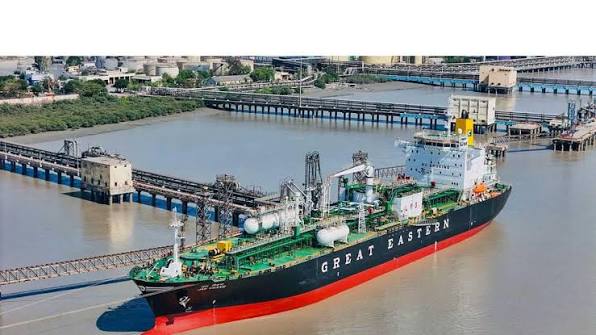
NEW DELHI: India appears to be moving from managing an energy crisis to cautiously returning to normalcy. Commercial LPG prices have fallen, fuel prices have started easing in parts of the market and global crude oil prices have retreated sharply as tensions in West Asia eased and shipping through the Strait of Hormuz gradually resumed.
The relief comes after a four-month period during which India faced one of its most serious energy security challenges in recent years following the disruption of the Strait of Hormuz during the military conflict in West Asia that began on February 28, 2026.
The closure of the strategic waterway, through which nearly 20% of the world’s seaborne crude oil and significant volumes of LPG and LNG are transported, posed a serious challenge for India, which depends on imports for nearly 90% of its crude oil requirements and around 60% of its LPG demand.
Despite the crisis, the country avoided fuel shortages at petrol pumps, maintained uninterrupted domestic LPG supplies and protected consumers from the full impact of soaring global energy prices.
Long-term investments in energy infrastructure, diversification of supply sources, coordinated diplomacy and swift policy decisions enabled India to navigate one of its biggest energy security challenges in recent years.
The closure of the Strait of Hormuz triggered a sharp rise in international energy prices. India’s crude oil basket increased from around $70 per barrel to more than $120 per barrel, while Brent Crude climbed to $126 per barrel.
Saudi Arabia’s LPG contract price rose by nearly 46%, pushing the import cost of a 14.2 kg domestic LPG cylinder above Rs 1,600. War-risk insurance premiums for oil tankers also increased several-fold.
The crisis left India facing three immediate challenges—ensuring uninterrupted energy supplies, containing domestic fuel prices and maintaining public confidence.
However, India’s investments in energy infrastructure over the past decade proved crucial during the crisis.
Between 2014 and 2026, the number of LPG import terminals increased from 11 to 22, while the LPG pipeline network expanded from 2,311 km to 6,242 km. LPG import capacity nearly tripled to 32.3 MMTPA. The number of countries supplying crude oil to India increased from 27 to 41.
During the same period, LNG terminals doubled from four to eight, city gas distribution networks expanded from 55 to more than 300 and India developed a strategic petroleum reserve with a storage capacity of 5.33 million tonnes.
Soon after the crisis began, the government formed an inter-ministerial coordination group comprising the Ministry of External Affairs, the Ministry of Petroleum and Natural Gas, the Ministry of Ports, Shipping and Waterways and the Indian Navy.
The group identified oil, LPG and LNG vessels carrying Indian cargo that had become stranded near the Strait of Hormuz and coordinated with Iranian authorities to ensure their safe passage. Continuous engagement between Indian diplomatic missions and Iranian officials enabled India to secure safe transit for its vessels without additional charges or transit taxes.
At the same time, the Petroleum Minister visited Qatar, the External Affairs Minister travelled to the United Arab Emirates and the National Security Adviser visited Saudi Arabia. India also secured alternative energy supplies from Russia, Brazil, Algeria, Venezuela, Canada, Japan and the United States.
An LPG import agreement with the United States and access to strategic petroleum reserves in other countries further strengthened India’s energy security.

We are a multimedia news network. Website : www.7xnews.com Based in New Delhi (India)
Youtube : umakantlakheraspeaks@gmail.com