

New Delhi, 01 July– Iran has extended formal invitations to senior figures from both India’s ruling Bharatiya Janata Party (BJP) and the opposition Congress party to attend the multi-day state funeral of Ayatollah Ali Khamenei, who was killed in US-Israeli strikes on 28 February.
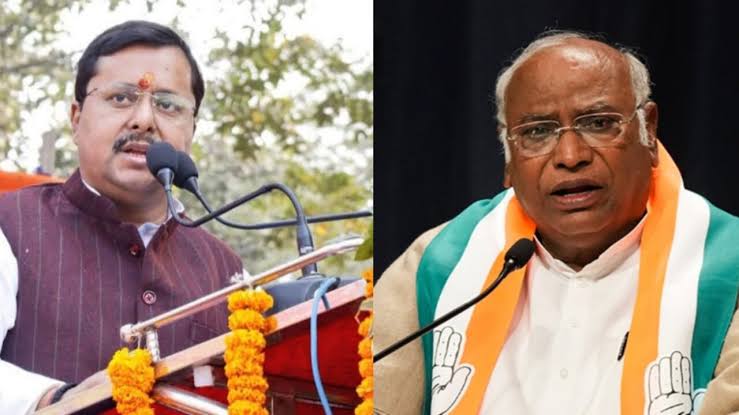
Invitations have been sent to BJP National President Nitin Nabin, Congress President Mallikarjun Kharge, and Congress foreign affairs chair Salman Khurshid.
Invitation to the BJP president has put the ruling party again in a quandary. The ruling dispensation is faced with a dilemma whether to send the party chief to Tehran or not. Sending Nabin is likely to send a negative signal to Tel Aviv and Wahington.
The Congress, it is learnt, in all probability would send both Kharge and Khurshid to the funeral.
Earlier, Iran had invited Prime Minister Narendra Modi for Khamenei’s funeral but instead of himself going he decided to send Minister of state for external affairs Pabitra Margherita and the Bihar governor Lt Gen (retired) Syed Ata Hasnain to the solemn event to represent India at Khamenei’s funeral programme. Iranian President Masoud Pezeshkian had invited Modi.
Modi’s decision to send the Bihar governor and a junior minister to the funeral raises eyebrows as his going to Tehran would have displeased rather annoyed US President Donald Trump and Israeli Prime Minister Benzamine Netanyahu sending wrong signals to Washington and Tel Aviv.
Abandoning country’s long standing West Asia policy, India under the NDA government has gone close to Israel with Modi and Netanyahu developing close bonds.
After changing the last rites date multiple times since Khamenei’s death, the Iranian authorities in June announced details for Khamenei’s burial and funnerl ceremony. He will be buried at the shrine of Imam Reza on July 9, following funeral ceremonies in Tehran, Qom and Mashhad on July 6, 7 and 9, respectively, Iran state media said reported.
India had neither condemned Khamenei’s killing not expressed grief in the initial days of his assassination by the US-Israel forces on 28 February. Foreign Secretary Vikram Misri signed the condolence book at the Iranian Embassy in New Delhi few days after Khamenei’s death
The last rites of Iran’s leader, who led the country from 1989 to 2026, have been planned during Muharram, a traditional period of mourning in the Shiite Muslim calendar. His funeral was initially planned for March 4, but postponed due to the Iran-US war that began with US-Israel strikes on Iran on February 28.
The funeral ceremonies, one of the largest in Iran’s history, are scheduled from 4-9 July across Tehran, Qom, and Mashhad, with processions also planned in Iraq.
Authorities expect millions of mourners amid heightened security following the regional conflict. The invitations show the civilisational ties between New Delhi and Tehran, even as both nations navigate a volatile West Asian landscape.
Since the February conflict, Modi has maintained communication with President Masoud Pezeshkian. Modi spoke to Pezeshkian on 30 June stressing free movement of ships through the Strait of Hormuz.
In multiple phone calls, the leaders discussed de-escalation, the safety of Indian nationals, secure shipping lanes through the Strait of Hormuz vital for India’s oil imports, and the need for dialogue over confrontation. India has consistently advocated for peace, condemning attacks on civilian infrastructure while emphasising diplomacy.
Veteran Journalist and Political Commentator

