

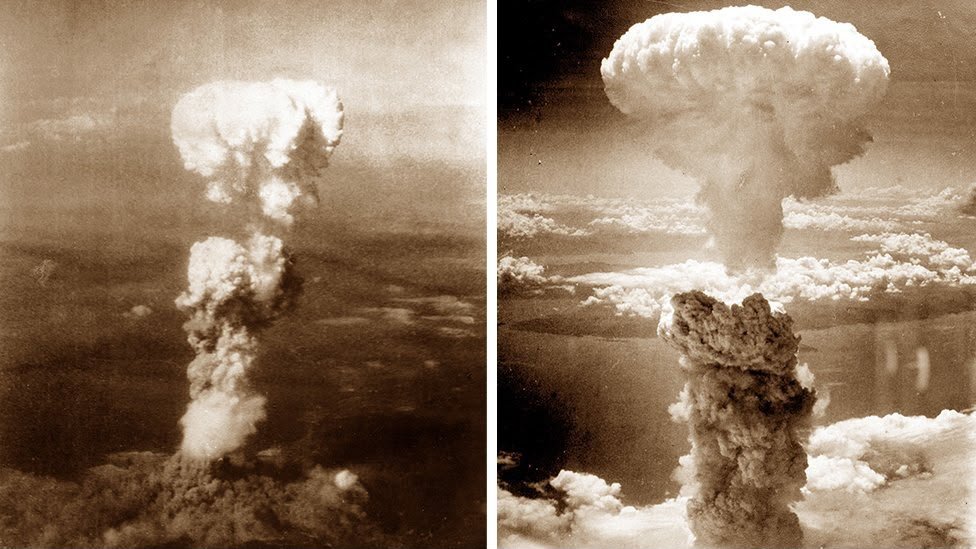
Eighty-one years after the atomic flashes over Hiroshima and Nagasaki transformed two thriving Japanese cities into charred, radiation-soaked wastes, humanity finds itself standing before a dangerously familiar precipice. What was once commemorated as the grim conclusion to a world war has increasingly turned into a haunting prologue to our contemporary geopolitical reality. Today, as active hostilities and nuclear saber-rattling consume Eastern Europe and the Middle East, the barrier between strategic deterrence and global catastrophe is thinner than at any point since the height of the Cold War.
The Human and Ecological Anatomy of Nuclear Horror
On August 6 and 9, 1945, the detonation of the 15-kiloton “Little Boy” and 21-kiloton “Fat Man” bombs killed over 200,000 people—overwhelmingly civilians—either in instantaneous thermal flashes or through agonizing months of radiation sickness. The survivors, known as the hibakusha, bore not only severe physical scars—leukemia, thyroid cancers, and multi-generational genetic mutations—but also deep social ostracization and psychological trauma.
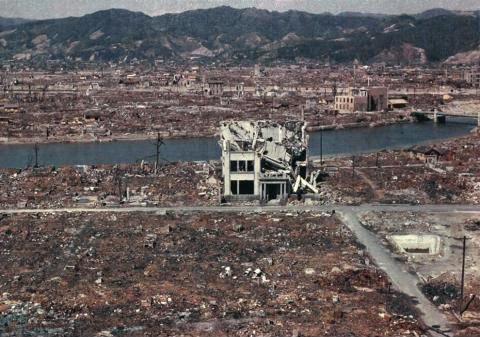
Unlike conventional warfare, atomic weaponry obliterates the very possibility of discrimination between combatants and non-combatants. In Hiroshima, 70 percent of all structures vanished in seconds. The lingering ionizing radiation contaminated soil, water, and food supplies for years, illustrating a chilling reality: nuclear arms are not merely tools of tactical warfare, but engines of multi-generational environmental and societal destruction.
Multi-Front Brinkmanship: Ukraine and the Middle East
The enduring tragedy of the modern era is that these lessons have been eclipsed by aggressive geopolitical calculus. As global nuclear arsenals exceed 12,000 warheads—with Russia and the United States holding over 90 percent—the potential for catastrophic miscalculation has escalated dramatically across multiple active conflict zones:
- The Russia-Ukraine Conflict: Nuclear signaling and strategic force exercises by Moscow have repeatedly raised the specter of tactical nuclear deployment in Eastern Europe. The steady erosion of conventional boundaries in Europe’s largest armed conflict since 1945 highlights the fragile boundary separating regional combat from strategic escalation.
- The U.S.–Iran Escalation: Direct military exchanges, strikes on sensitive energy and nuclear infrastructure, and volatile regional dynamics involving Israel have brought the Middle East to the edge of regional warfare. While fragile ceasefires and mediated talks periodically halt total escalation, the fundamental instability of nuclear-adjacent conflict in the region persists.
In both arenas, nuclear postures are no longer kept in the background as abstract deterrence; they are actively leveraged as coercive instruments of power.
Deterrence in the Age of Digital Miscalculation
The risk of accidental or deliberate nuclear exchange is further magnified by 21st-century technological vulnerabilities. The Bulletin of the Atomic Scientists maintains the Doomsday Clock at a perilous 90 seconds to midnight, reflecting not only weapon proliferation but also the rise of AI-driven decision systems, cyber warfare, and automated satellite tracking.
In high-pressure crisis environments where decision windows are measured in minutes, manipulated satellite telemetry, rapid AI analysis, or cyber disruptions could trigger an accidental launch—rendering the traditional logic of “rational deterrence” entirely obsolete.
Reclaiming the Path to Disarmament
To navigate this era of multi-front instability, the international community must move beyond ceremonial remembrance. Arms control frameworks like the Non-Proliferation Treaty (NPT) and the Treaty on the Prohibition of Nuclear Weapons (TPNW) require urgent, renewed political commitment rather than performative cynicism.
- Centering Survivor Testimonies: Moral leadership from survivors like Setsuko Thurlow must remain a cornerstone of international diplomatic forums rather than an afterthought.
- Modernized Crisis Protocols: Constructing robust crisis-management channels specifically designed to handle multi-actor escalation across Europe and the Middle East.
- Institutionalizing Peace Education: Supporting peace infrastructure—such as the Hiroshima Peace Memorial Park and Nagasaki Atomic Bomb Museum—to actively counter martial rhetoric with historical literacy.
A Choice of Destinies
Eighty-one years after mushroom clouds ushered in the atomic age, humanity cannot afford to view 1945 as distant history. The choice before us remains stark: we can heed the final warnings of Hiroshima and Nagasaki by prioritizing restraint, diplomacy, and disarmament, or we can allow reckless brinkmanship to write the closing chapter of human history.

~Hasnain Naqvi is a former member of the history faculty at St. Xavier’s College, Mumbai….
The opinions expressed here are solely those of the author.