

New Delhi, 13 June— But for a last-minute hurdle, the United States and Iran are reportedly close to finalise an agreement to end the West Asian war “within 24 hours”, with a framework for a peace deal being agreed between the two principal parties.
Key mediator Pakistan said on Saturday that Islamabad is now preparing for an electronic signing expected within the next 24 hours followed by technical-level talks next week,
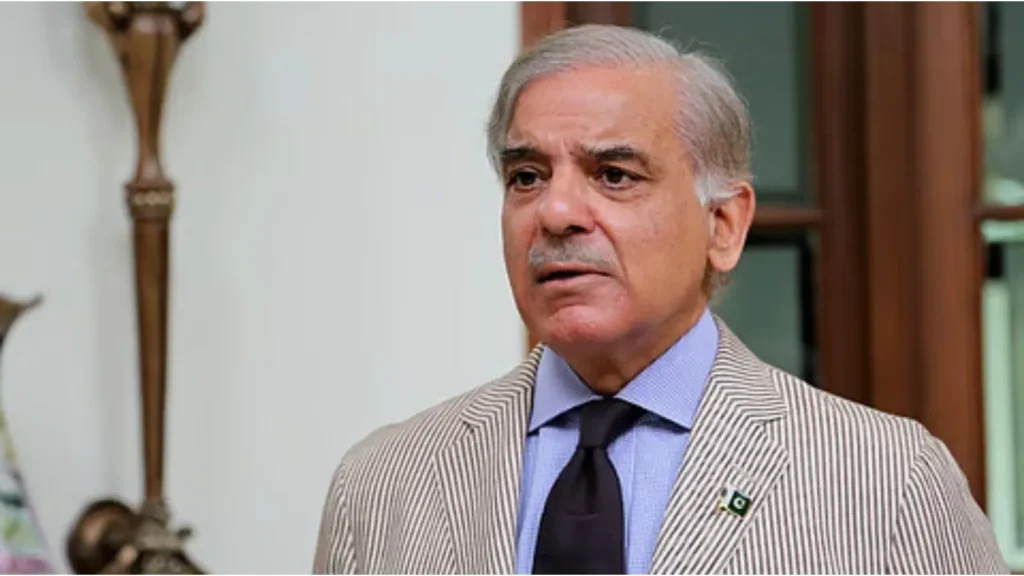
Pakistan Prime Minister Shehbaz Sharif said that both sides expressed optimism about the chances of concluding a deal.
The foes and mediators of the conflict have claimed a long-awaited accord is in its final throes, despite new skirmishes in the Strait of Hormuz in the months-long war that has roiled the region and global economy.
Weeks of negotiations on a peace agreement after an April 8 truce have so far not yielded success, with US President Donald Trump repeatedly insisting a deal is near only for the wrangling to drag on.
Meanwhile, Reuters reported. Pakistan is now preparing for an electronic signing expected within the next 24 hours followed by technical-level talks next week.
Washington and Tehran have agreed on the wording of a deal aimed to bring an end to their war in West Asia, said the Pakistan Prime Minister adding that Pakistan, which has been leading mediation efforts, is working with both sides on the next steps.
The reported progress in negotiations follows three days of exchanges involving Iran, the United States and Israel earlier this week, which raised fears of a wider conflict across the region.
Three regional officials told Associated Press that the proposed agreement is also expected to include the gradual easing of sanctions on Iran and the release of frozen Iranian assets.
According to the officials, a signing ceremony could take place in the coming days once authorities in Washington and Tehran give their approval. Earlier, US President Donald Trump said the agreement could be signed as soon as this weekend.
Trump on Thursday said there had been major progress in the negotiations, only hours after warning of intensified attacks and threatening to take control of Iran’s oil industry.
Draft terms of the proposed agreement suggest that the US would begin releasing billions of dollars in frozen Iranian assets and ease sanctions on Iranian oil exports in exchange for Iran reopening the strait, news agency Reuters reported.
Iran’s nuclear programme would be discussed during a 60-day negotiation period. A US official said the agreement would eventually result in the dismantling of Iran’s nuclear programme, with its stockpile of highly enriched uranium destroyed and removed. The proposed terms also include an inspection system aimed at ensuring long-term compliance.
However, Iranian foreign minister Abbas Araghchi told state television that Iran, which the report said has not agreed to dismantle its nuclear programme, wants to keep the uranium in a diluted form. “For Tehran, the only preferred solution for its highly enriched uranium stockpile is down-blending the material,” he said.
The report also said the proposals include discussions on possible war reparations for Tehran and the removal of long-standing US demands to limit Iran’s missile programme. The US official rejected that claim.
Markets reacted accordingly with Oil prices dropping to their lowest levels since the early days of the war as traders reacted to signs of increased traffic through the Strait of Hormuz and growing optimism over an interim peace agreement between the United States and Iran.
Brent crude futures fell 3.4 per cent to settle at $87.33 a barrel, their lowest closing level since March 5, and ended the week down 6.2 per cent. US West Texas Intermediate (WTI) crude settled 3.2 per cent lower at $84.88 a barrel, while European gas prices dropped by as much as 8.4 per cent, according to Bloomberg.
Apart from growing hopes for peace, the fall in oil prices has also been driven by markets adapting to the closure of the Strait of Hormuz and finding alternative ways to manage supply disruptions.
In between Tehran said that the burial of Ayatollah Ali Khamenei, Iran’s Supreme Leader assassinated in US strikes on February 28, will be held on July 9. Iran’s Press TV reported that the burial will be preceded by funeral ceremony in three cities – Tehran, Qom and Mashad – on July 6, 7 and 9, respectively.
Khamenei will be laid to rest at the holy shrine of Imam Reza.

Veteran Journalist and Political Commentator

