

The US-Israel war on Iran, now grinding into its fourth week since February 28, 2026, has unleashed chaos across West Asia, with Israeli strikes hitting Iran’s South Pars gas field and northern territories, while Tehran retaliates against Gulf energy sites and US bases. President Donald Trump’s “major combat operation” began with the assassination of Supreme Leader Ayatollah Ali Khamenei, killing dozens of top Iranian leaders, yet Iran’s resilience exposes deeper strategic failures for Washington. Experts argue the US has already lost, not on the battlefield, but in the hearts of the region and beyond.
Escalation into Week Four
Hundreds of US-Israeli airstrikes have pummeled 26 of Iran’s 31 provinces, degrading air defenses, ballistic missile sites, and naval assets, including 17 warships sunk by US bombers. Civilian tolls mount, with nearly 800 confirmed dead and estimates exceeding 2,400, including 170 children in a school strike near an IRGC base; updated trackers now report 1,444 Iranian deaths, 18 in Israel, and dozens in Gulf states. Iran’s IRGC vows no ceasefire, rejecting Trump’s overtures as insufficient, while expanding drone and missile barrages on Israel, injuring civilians in Tel Aviv and Jerusalem.
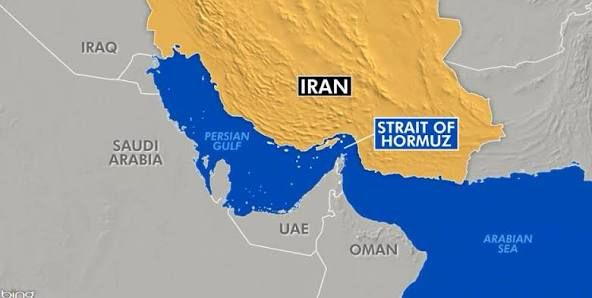
Iran’s bold counteroffensive targets US assets in every Gulf state—UAE airports, Kuwaiti oil fields, Bahrain’s Fifth Fleet bases, Saudi embassies, even Qatari and Omani sites—shattering the illusion of insulated security for Arab hosts. Strikes on the Strait of Hormuz blockade shipping, spiking global oil prices and war-risk premiums, as Tehran signals sustained pressure on energy lifelines. A transitional council led by Ayatollah Alireza Arafi steers Iran amid chaos, but hardliners dominate, ruling out capitulation. On day 21, Israel unleashed massive strikes deeper into Iran, as UAE air defenses intercepted fresh missile threats, while Iran fired five salvos hitting Haifa, Jerusalem, and Tel Aviv, killing four including a foreign worker.
Arab Confidence Shattered
Gulf monarchies, long reliant on US protection, now question Washington’s commitment after Iran inflicted damage on bases in Bahrain, Kuwait, Qatar, UAE, and Saudi Arabia. US weapons diverted from Arab soil to Israel reinforce perceptions that American forces prioritize Tel Aviv over regional allies. Vice Adm. Robert Harward notes cyclical US policies have eroded trust over 15 years, exacerbated by Iran’s unprecedented barrage hitting all GCC states for the first time.
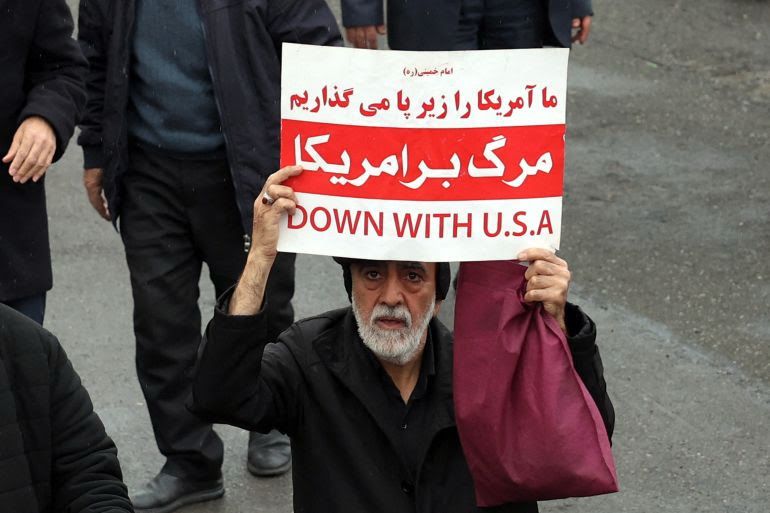
Public fury boils over, inflamed by Gaza’s carnage and Khamenei’s killing, narrowing Sunni-Shia divides as protests erupt in Bahrain despite crackdowns. Pre-war polls showed Middle East publics blaming US and Israel most for instability, with Iran far behind; today’s volatility has intensified anti-US sentiment. Gulf states opt for restraint, refusing to join the war despite soil attacks, exposing US deterrence limits.
NATO’s Cold Shoulder
America’s NATO partners distance themselves, with Secretary General Mark Rutte praising strikes for curbing Iran’s nuclear ambitions but insisting alliance non-involvement. Trump laments rebuffed calls for help reopening Hormuz, posting US forces “no longer need” NATO, Japan, or Australia amid military “success.” Europeans recall Iraq and Libya debacles, as France, Germany, and Turkey deny airspace and warn of spillover.
This isolation forfeits rebuilt trust post-Afghanistan, handing rivals openings. China and Russia provide Iran intelligence, arms, and UN vetoes without direct combat, constrained by Ukraine and trade but bolstering Tehran’s defiance; both nations slammed recent US strikes on Iranian leaders as destabilising.
De-Dollarization Accelerates
The petrodollar trembles as Iran’s BRICS ties and oil priced outside dollars threaten US control over Hormuz flows—20% of global supply. War disruptions fuel dollar demand short-term via oil spikes, but long-term erode hegemony, hastening de-dollarization as Gulf states hedge amid unreliable security. If Iran survives as a regional leader, backed by Moscow and Beijing, US presence becomes untenable, weakening the greenback’s global reserve status.
Strategic Defeat Amid Tactical Gains
US-Israeli air dominance degrades Iran’s arsenal, yet regime survival, proxy activations in Lebanon and Iraq, and Gulf erosion signal pyrrhic victory. Hezbollah’s missile volleys and Houthi threats compound costs, with no internal Iranian fracture evident despite jailbreaks and evacuations. Khamenei’s martyrdom unites foes against perceived Israeli favouritism. Israel’s intensified northern ops eliminated another Hezbollah commander, while Caspian Sea naval strikes underscore broadening fronts.
Washington’s isolation—from Arabs doubting protection to NATO’s abstention—cements loss of West Asian primacy. As China consolidates quietly and Russia aids covertly, a resilient Iran could redefine the region, rendering US re-engagement a distant dream. The war, sold as eliminating threats, instead amplifies them, proving experts prescient: America has lost West Asia’s trust, and with it, its dominance.

~Hasnain Naqvi is a former member of the history faculty at St. Xavier’s College, Mumbai….
The opinions expressed here are solely those of the author.