

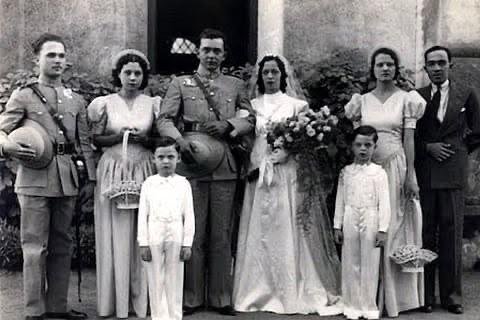
On August 2 each year, Anglo-Indians across India and the diaspora mark World Anglo-Indian Day. The occasion commemorates not only a community of mixed European and Indian ancestry but a people whose service has left an enduring imprint on the subcontinent and reached far beyond its shores. The date recalls 2 August 1935, when the Government of India Act formally defined the term “Anglo-Indian.” That definition later found place in Article 366(2) of the Constitution. In 2001, at the Triennial World Anglo-Indian Reunion in Auckland, the day was designated for global observance; celebrations began the following year.
The community’s identity has always been more than ancestry. It is a distinctive cultural synthesis—English-speaking, rooted in both Indian soil and European traditions—that found expression in faith, education, public service and the arts.
Foundations of Education and Public Life
Few groups have shaped English-medium schooling in India as decisively. Anglo-Indian and Catholic institutions educated generations of students from every background, emphasising discipline, integrity and service. Frank Anthony, lawyer, parliamentarian and long-time president of the All-India Anglo-Indian Association, served in the Constituent Assembly and worked to secure minority protections and the future of these schools. Earlier, Henry Louis Vivian Derozio stirred the Young Bengal Movement with calls for critical thought and patriotism. Educators such as Albert Edward Thomas Barrow and Neil O’Brien further strengthened institutions that continue to produce leaders across professions.
Though the constitutional provision for nominated Anglo-Indian representation in Parliament ended with the 104th Amendment in 2020, the community’s influence endures through schools, associations and quiet civic work.
Service in Uniform, on the Rails and in the Stadium
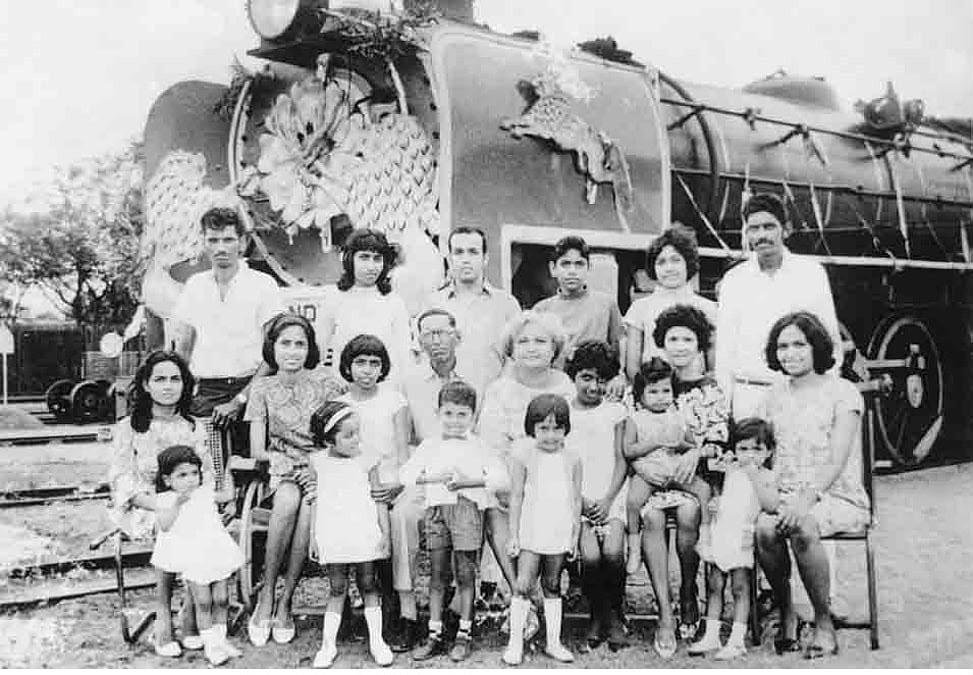
Anglo-Indians answered the call of nation-building with consistent professionalism. Generations staffed the Indian Railways, postal services, customs, police and civil administration, laying practical foundations for modern India. In the armed forces, figures such as Air Chief Marshal Denis La Fontaine, Air Marshal Malcolm Wollen and Vice Admiral Benjamin Abraham rose to senior command. Brothers Trevor and Denzil Keelor earned national recognition in the 1965 conflict. Countless Anglo-Indian women served with distinction in military nursing and public hospitals.
On the playing field the record is equally striking. Leslie Claudius, Richard Allen, Broome Pinniger, Carlyle Tapsell and Joe Gallibardy helped secure India’s Olympic hockey dominance. The Britto sisters and Anne Lumsden represented the women’s national side. Norman Pritchard, Kenneth Powell, Roger Binny and Stuart Binny brought further distinction in athletics and cricket.
Culture, Music and the Global Stage
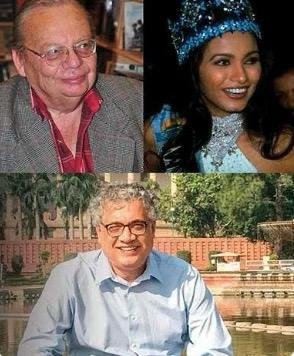
In literature, Ruskin Bond has rendered India’s landscapes and everyday lives with enduring warmth. Cinema and theatre remember Michael Bates, Patience Cooper, Merle Oberon, Helen, Barry John, Diana Hayden, George Baker, Andrea Jeremiah and Jennifer Kendal. Broadcaster Melville de Mellow became one of All India Radio’s most recognisable voices.
Music remains central to Anglo-Indian identity. The community helped introduce jazz, swing and ballroom traditions through artists such as Pam Crain, Tony Brent and the Green brothers. Globally, Cliff Richard, Engelbert Humperdinck and Queen’s Freddie Mercury trace roots to this heritage, illustrating how a small community’s cultural reach has extended worldwide.
A Living Heritage Across Continents
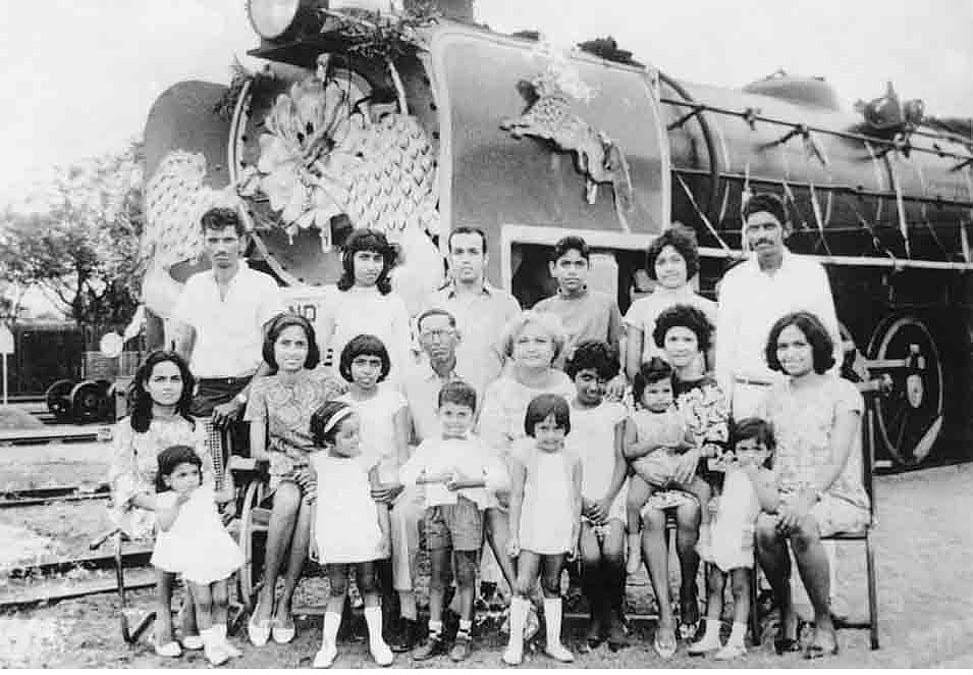
Large diaspora communities now thrive in Australia, the United Kingdom, Canada, the United States, New Zealand and elsewhere. Yet shared traditions—parish feasts, Christmas Midnight Mass, choirs, social dances, family reunions and charitable work—continue to bind them. Cuisine tells the same story of synthesis: Railway Mutton Curry, Dak Bungalow Chicken, Country Captain, Ball Curry with yellow rice, kedgeree, mulligatawny, kul kuls, rose cookies and homemade ginger wine remain expressions of hospitality and memory.
The 13th International Anglo-Indian Reunion held earlier this year in Kochi under the theme “Coming Back to Familiar Shores” reaffirmed these ties through prayer, cultural programmes and fellowship.
A Legacy of Quiet Excellence
The Anglo-Indian story is one of service rendered without fanfare—in classrooms and hospitals, on railway platforms and parade grounds, in studios and on playing fields. It demonstrates that cultural hybridity can enrich rather than divide, and that faith, when lived as daily commitment, strengthens both community and nation. On World Anglo-Indian Day, India and the wider world have reason to acknowledge a people whose numbers were never large but whose contribution remains outsized, enduring and still unfolding.

~Hasnain Naqvi is a former member of the history faculty at St. Xavier’s College, Mumbai….
The opinions expressed here are solely those of the author.

