
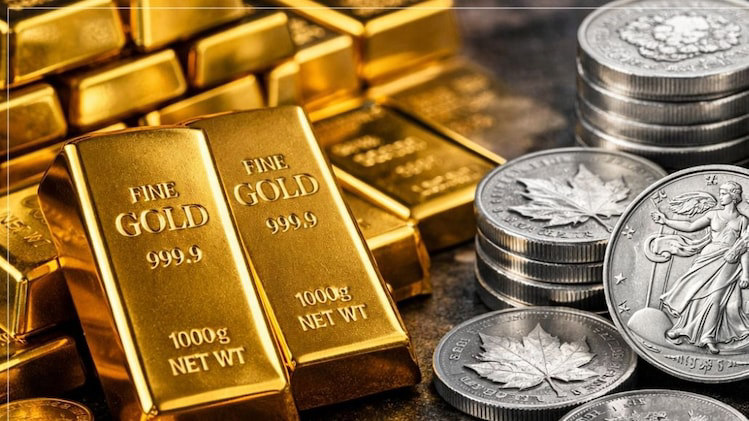
NEW DELHI: India’s love affair with gold cannot be overstated.
From weddings and festivals to inheritance and investment, the yellow metal occupies a special place in Indian households. But while Indians continue to buy gold every year, a massive stockpile of unused gold already lies locked away in homes across the country.
Last month, Prime Minister Narendra Modi urged citizens to recycle idle gold instead of relying solely on newly imported gold. The idea is simple: use what the country already has before buying more from abroad.
And the numbers suggest there is plenty to work with. According to industry estimates, Indian households and temple trusts collectively hold around 30,000-32,000 tonnes of gold (worth $3.8 trillion). Some estimates put the figure even higher, at 35,000 tonnes. Much of it sits unused in lockers, cupboards, and vaults.
If even a small portion of this gold returns to the formal economy, the impact could be significant.
Gold recycling is the process of collecting old jewellery, broken ornaments, coins, bars, industrial scrap, and even gold extracted from electronics, and converting it back into pure gold through refining.
The metal is first tested for purity. It is then melted, refined, and purified to high standards-often as high as 99.9 per cent purity-before being reintroduced into the market for manufacturing fresh jewellery, coins, or bullion products.
Keyur Shah, CEO of Muthoot Exim, describes gold recycling as the conversion of old gold into pure 24-karat gold through the refining process and its subsequent re-entry into the supply chain.
The process offers a major environmental advantage too. Mining fresh gold is energy-intensive and can have a significant environmental footprint. Recycling reduces the need for new mining while making use of existing resources.
Why Is the Government Pushing Gold Recycling?
The answer lies in India’s import bill — the country spent approximately $72.4 billion in 2025-26 to meet its gold demand.
India imports a large share of the gold it consumes. Every ounce of imported gold requires foreign exchange, putting pressure on the country’s trade balance and current account deficit.
Santosh Meena, Head of Research at Swastika Investmart, says organised gold recycling can reduce dependence on imports, ease pressure on foreign exchange reserves, narrow the current account deficit, and support the government’s broader push towards self-reliance.
In simple terms, every gram of recycled gold is one less gram that may need to be imported. That’s why policymakers see idle gold as an untapped domestic resource.
“Through the Gold Monetisation Scheme and Prime Minister Modi’s public appeal to delay non-essential gold purchases, the government aims to mobilise this dormant wealth, reduce the current account deficit, ease forex pressure, and transform India’s reliance on imports by creating a domestic supply chain from existing household reserves,” said Kaveri More, Commodity Analyst at Choice Broking.
A Small Shift Could Have a Big Impact
The most striking part of the gold recycling story is how little needs to change to create a meaningful impact. According to Shah, if just 1 per cent of India’s household and temple gold stock is recycled annually, gold imports could decline by roughly 25-30 per cent.
Meena offers a similar estimate. He believes organised recycling of even 1 per cent of household gold could potentially reduce annual imports by 25-33 per cent, while broader policy support could lower import requirements by 20-30 per cent or more over time.
Such a reduction would have implications far beyond the jewellery market. Lower imports can improve external balances, strengthen macroeconomic stability, and create more activity in domestic refining and jewellery manufacturing.
Why So Much Gold Remains Idle
The answer is partly cultural and partly financial.
For generations, gold has served as a store of wealth, a hedge against inflation, and a safety net during emergencies. Families accumulate gold through weddings, gifts, inheritance, and long-term savings.
As a result, vast quantities remain untouched for years. Many families hold jewellery that is outdated, damaged, or rarely worn. Yet its underlying value remains intact.

We are a multimedia news network. Website : www.7xnews.com Based in New Delhi (India)
Youtube : umakantlakheraspeaks@gmail.com

