

12. The Himalayas and the Question of National Security
The Himalayas are not merely the foundation of Uttarakhand—they are the lifeline of the entire nation.
If the Himalayas become insecure, India itself becomes vulnerable.
The Ganga, the Yamuna, and many of India’s other life-giving rivers originate in these mountains. Therefore, safeguarding Uttarakhand is not simply a regional concern; it is a national responsibility.
13. The Need for a New Definition of Development
The time has come for Uttarakhand to redefine the meaning of development. It must be a model in which environmental conservation and economic progress are not viewed as opposing forces but as complementary objectives; where development in the mountains reflects their unique geographical conditions and cultural sensitivities; where local communities enjoy primary rights over their water, forests, land, and natural resources; where migration is reversed, agriculture is revitalized, employment opportunities are created for young people, and women are given meaningful participation in governance and development.
We must build an Uttarakhand where development is measured not merely by roads, hotels, and infrastructure, but by dignity, self-reliance, environmental balance, and the quality of life.
The high Himalayan valleys of Johar, Darma, Niti, and Mana are home to the Bhotiya communities. The Bhoksa, Tharu, Jaunsari, and Raji communities inhabiting the Terai and Bhabar regions have enjoyed Scheduled Tribe status since 1967. The Ratth region has also long been recognized as a backward area.
Yet Uttarakhand itself has not been brought under the provisions of the Fifth Schedule of the Constitution of India.
Many people argue that the hill communities of Uttarakhand satisfy the criteria applicable to Scheduled Tribal Areas. Consequently, movements demanding the extension of Fifth Schedule status to the hill regions have gained momentum.
Supporters of this demand believe that such constitutional protection would help preserve Uttarakhand’s indigenous culture, safeguard its natural resources from exploitation, curb large-scale migration, and prevent illegal acquisition of land.
14. A Call for Collective Consciousness and Democratic Struggle
The time has come for the people of Uttarakhand to rise above political affiliations and unite around the fundamental question of the state’s future.This is not the struggle of one political party, one caste, one region, or one social group. It is a struggle for the future of generations yet to come. If we fail to awaken now, Uttarakhand may gradually become little more than a tourist destination, while its indigenous inhabitants are pushed to the margins within their own homeland.
15. Corporate Control over Uttarakhand’s Natural and Spiritual Resources
The greatest tragedy confronting Uttarakhand today is not limited to migration, unemployment, or the declining condition of healthcare and education.
An equally serious concern is the gradual transfer of the state’s natural, religious, and tourism resources into the hands of external corporate and financial interests.
Today, the Char Dham pilgrimage, ropeway projects, tourism destinations, water resources, and even land are increasingly being entrusted to private entities in the name of development.
The proposed Kedarnath Ropeway Project is perhaps the most prominent example.
This project, estimated at approximately ₹4,081 crore, has been awarded to the Adani Group under a Public-Private Partnership (PPP) model, granting the private operator the right to manage and operate the facility for nearly twenty-nine years after its construction.
This raises important public policy questions. Will Uttarakhand’s sacred pilgrimage routes and the economic activities associated with them gradually come under corporate control?
Thousands of local families—including mule owners, horse operators, shopkeepers, roadside eateries, hotels, and numerous small businesses—depend upon the Char Dham Yatra for their livelihoods. Will they continue to have a meaningful role within this new model, or will they gradually be marginalized?
Similarly, questions have also been raised regarding the leasing of the George Everest Estate in Mussoorie—developed using public funds—to commercial entities associated with Baba Ramdev and Acharya Balkrishna. Political opponents have described such decisions as examples of a “corporate-political nexus” and the concentration of public resources in private hands.
This debate extends far beyond any single project or corporate group.
It concerns the identity, ownership, and future of Uttarakhand itself.
The movement for statehood was not fought so that its rivers, mountains, forests, pilgrimage centres, and tourism resources could eventually be transferred to external corporate interests.
Development is essential.
However, development should ensure that local communities remain active stakeholders rather than passive spectators, and that the benefits generated from Uttarakhand’s natural and cultural wealth primarily contribute to the prosperity of its own people.
Ultimately, the citizens of Uttarakhand must decide whether the state’s future will be built upon local participation, transparency, and ecological sustainability—or whether faith, nature, and public resources will increasingly become instruments of market forces and corporate control.
16. Our Resolve
Let us therefore resolve:
To protect our water, forests, and land, and to work towards extending the provisions of the Fifth Schedule and appropriate constitutional safeguards to the hill regions of Uttarakhand.
“The Government of India may govern from Delhi—but in our villages, the people themselves must be empowered to govern.”
a)To preserve the culture, identity, and ecological heritage of Uttarakhand.
b) To raise our collective voice against migration, corruption, unplanned development, and the indiscriminate exploitation of natural resources.
c) To build an Uttarakhand that becomes a model for balancing environmental conservation with sustainable progress. Symbiotic development..
d) To establish Gairsain (Bhararisain) as the permanent capital of Uttarakhand, in keeping with the original vision and aspirations of the Uttarakhand Statehood Movement.
Conclusion
Remember —The Himalayas are not merely a collection of rocks.
They are the soul of our civilization.
And only if that soul survives will Uttarakhand survive.
Only then will India remain secure.
Finally, I appeal to each one of you that all our efforts must be guided by honesty, integrity, commitment, and practical wisdom.
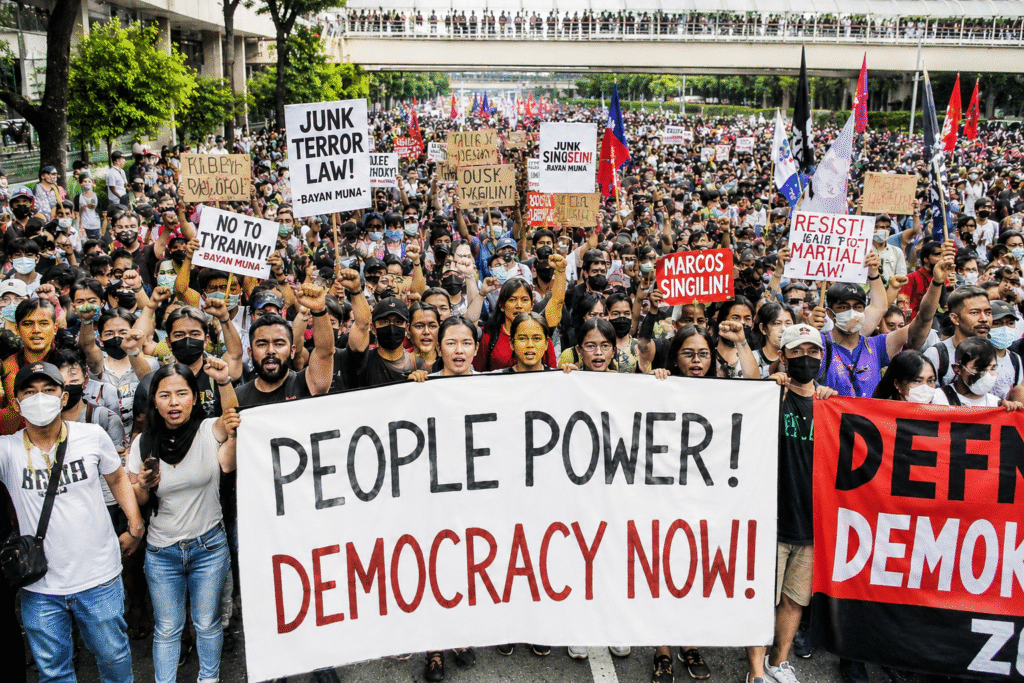
A person who remains completely indifferent to the deteriorating social, economic, and political conditions of Uttarakhand unintentionally strengthens the status quo. History teaches us that whenever conscientious citizens remain silent in the face of injustice and institutional decline, the possibility of meaningful change begins to diminish. Whenever citizens believe that democratic institutions or the electoral process are not fully achieving their intended purpose, the appropriate response in a constitutional democracy is greater civic participation, public awareness, peaceful democratic engagement, and non-violent people’s movements. Democracy is not confined to the act of voting.
It also depends upon an informed citizenry, continuous public dialogue, civic organization, and the culture of peaceful democratic resistance. Today, Uttarakhand urgently needs a broad-based awakening of public consciousness on issues affecting the common good. Ex-servicemen, veterans of the Central Armed Police Forces, young people, women, intellectuals, and every responsible section of society must step beyond their comfort zones and assume leadership in constitutional, democratic, and non-violent public movements. The ex-servicemen community, shaped by discipline, selfless service, and unwavering commitment to the nation, is uniquely positioned to play an inspiring and transformative role in this endeavour. If Uttarakhand is to progress in accordance with its founding ideals, its unique identity, and the aspirations of its people, then the need of the hour is to build a strong people’s movement rooted in public participation, constitutional values, and peaceful democratic action.

BRIG. Sarvesh Dutt Dangwal, The author is a social activist….
The opinions expressed here are solely those of the author.

