
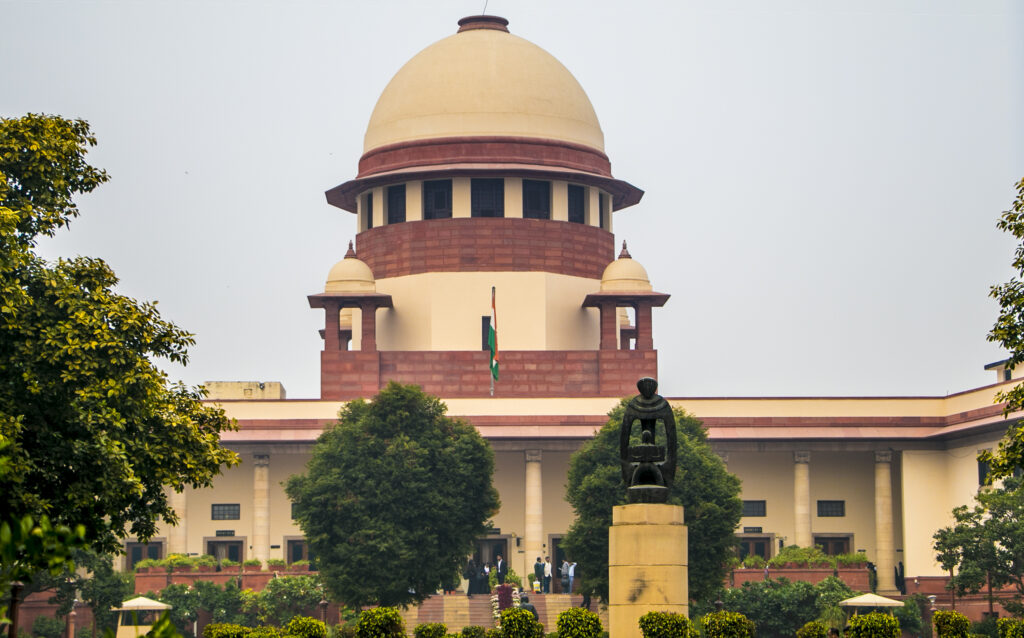
NEW DELHI: The Supreme Court on Monday underlined that the process of determining a person’s citizenship or declaring someone a foreigner must be fair, while granting relief to 27 individuals in Assam who had been declared foreigners by Foreigners Tribunals.
A bench of Justice Vikram Nath and Justice Sandeep Mehta said questions relating to citizenship and foreigner status carry significant constitutional and legal importance.
At the same time, the court acknowledged that the government has a legitimate interest in preventing illegal claims to Indian citizenship. However, it stressed that this objective cannot come at the cost of judicial fairness.
The court set aside the orders passed by the Gauhati High Court and the concerned Foreigners Tribunals in these cases. It also directed that no coercive action should be taken against the 27 individuals until the tribunals hear the matters again.
In its judgment, the Supreme Court observed that while the State has a valid interest in ensuring that only those legally entitled receive Indian citizenship, the legal process must remain fair and transparent.
The bench said the government is entitled to prevent misuse of the citizenship process through false claims or unnecessary delays. However, it made it clear that such concerns cannot override the principles of justice and fair procedure.
The court also clarified that it had not examined the evidence or decided whether the petitioners are Indian citizens. Instead, it directed the tribunals to reconsider the cases in accordance with the law.
Among the petitioners were Sabitri Dey, Ajbahar Ali, Md Akbar Ali, Abeda Khatun and Anowara Khatun. They argued that they had been declared foreigners on technical grounds, including spelling mistakes, typographical errors and minor mismatches in their names appearing in old electoral rolls and official records.
The petitioners had challenged the tribunal decisions before the Gauhati High Court and later moved the Supreme Court after failing to obtain relief.
To establish their claim to Indian citizenship, they relied on historical documents, including pre-1971 legacy records, electoral rolls and land documents, to demonstrate their family lineage.
The latest judgment comes weeks after another Supreme Court bench stayed the deportation of five women from Assam who had also been declared foreigners by the tribunals.
In that case, the court issued notices to the Centre, the Assam government and the Election Commission after the women argued that they faced deportation despite producing supporting documents. They too claimed that inconsistencies in the spelling of their names in official records had affected their cases.
Legal experts said that decision had raised wider questions about how Foreigners Tribunals in Assam evaluate citizenship claims. Monday’s ruling further reinforces the need for a fair and careful examination of such cases while balancing the government’s responsibility to identify illegal migrants.

We are a multimedia news network. Website : www.7xnews.com Based in New Delhi (India)
Youtube : umakantlakheraspeaks@gmail.com