
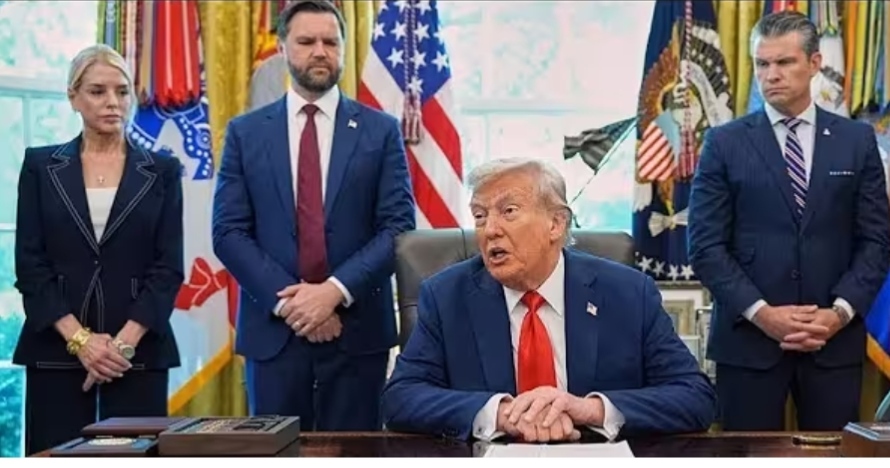
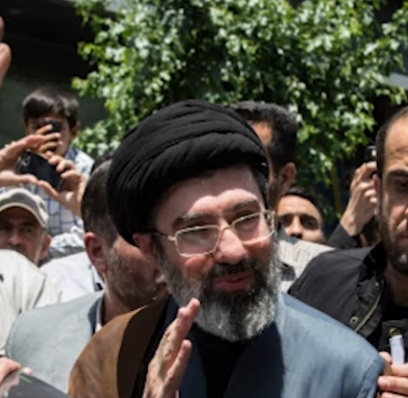
NEW DELHI, April 20, 2026: The proposed second round of high-stakes talks between the United States and Iran in Islamabad has plunged into uncertainty following a sharp escalation triggered by former US President Donald Trump’s stance on a disputed maritime issue.
Reports from Tehran suggested that the crisis erupted after Washington insisted on allowing its military to take control of an Iranian cargo vessel, a move that Tehran has strongly condemned as a violation of the ongoing ceasefire framework. Iranian officials described the development as a “serious breach” and warned of possible retaliation if the situation is not reversed.
The tensions come at a delicate moment, with both nations, along with Israel, nearing the final phase of a fragile two-week ceasefire agreement. With just three days remaining before the truce expires, the latest developments have cast serious doubts over the prospects of any diplomatic breakthrough.
As per reports Iran is now reconsidering its participation in the Islamabad talks. There is growing speculation within diplomatic circles that Tehran may either delay or completely withdraw its delegation, citing a lack of trust and escalating hostilities. This could effectively derail the already fragile negotiation process.
Despite the uncertainty, Trump has reportedly directed the American delegation to proceed to Pakistan as scheduled, signalling Washington’s intent to keep diplomatic channels open. However, analysts suggest that without Iran’s participation, the talks would lose their core purpose and may end up being symbolic rather than substantive.
The first round of negotiations, also held under tight global scrutiny, concluded without any tangible outcome, though both sides had expressed cautious optimism at the time. The current escalation, however, has significantly eroded that optimism, replacing it with renewed mistrust and geopolitical tension.
Strategic experts warn that the situation could deteriorate rapidly if immediate de-escalation measures are not taken. The involvement of Israel further complicates the scenario, given its longstanding adversarial stance towards Iran and its close alignment with US strategic interests in the region.
As global powers closely monitor the developments, the coming days are expected to be critical. The fate of the ceasefire—and any future diplomatic engagement—now hinges on whether both sides can step back from confrontation and return to the negotiating table under mutually acceptable conditions.
Picture credit social media

Umakant Lakhera is a Senior Journalist and Political Commentator

